




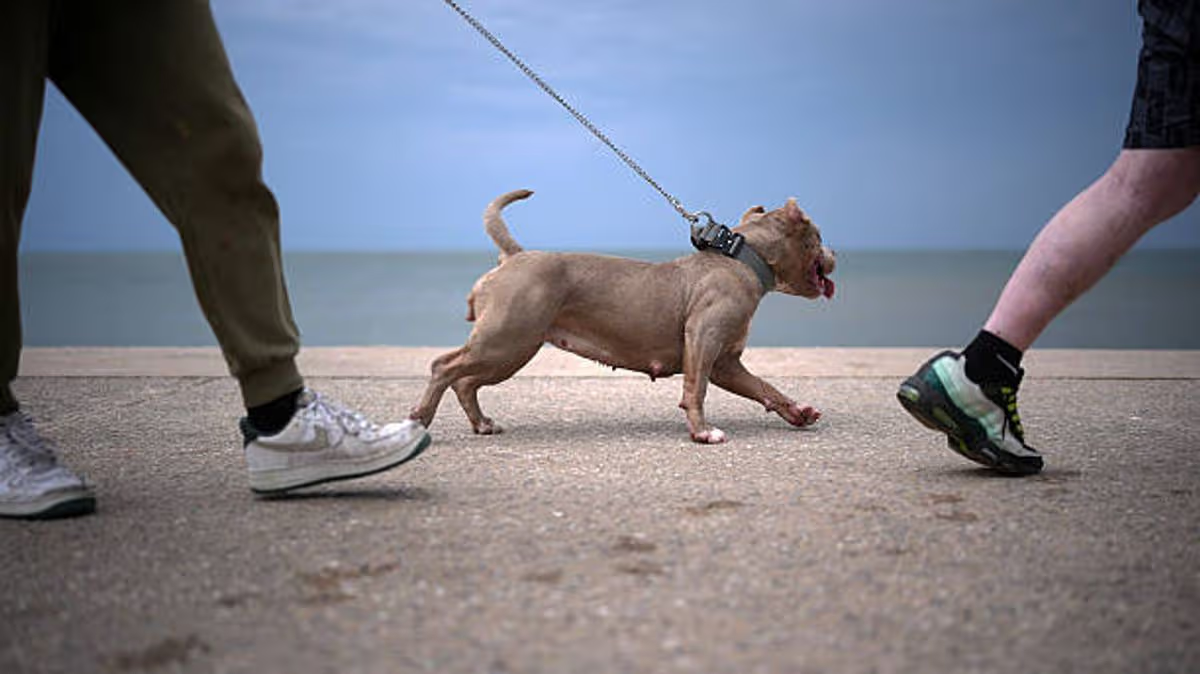
As Britons revel in the unseasonable warmth of a late May Bank Holiday weekend, with temperatures soaring past 30°C and offering a tantalising preview of summer, a critical warning is being issued to the nation’s dog owners. This spring heatwave, while a delight for sun-seekers, poses a severe and often underestimated threat to our canine companions. Experts are urgently emphasising that hot weather can be a “silent killer” for dogs, whose physiology makes them extraordinarily vulnerable to heatstroke—a condition that can prove fatal with alarming speed. The festive atmosphere and collective enjoyment of the sunshine must not obscure the vigilant care our pets require during these extreme conditions.
The meteorological picture underscores the seriousness of the situation. According to the Met Office, temperatures were forecast to climb dramatically through the holiday weekend, peaking on Monday with potential highs of 33°C in southern England and the Midlands. While no formal weather warnings were issued, the maps told a clear story: by midday on Monday, vast swathes of the country were experiencing temperatures over 30°C, with this intense heat persisting well into the evening. This isn’t merely a warm day; it constitutes an official heatwave, defined as at least three consecutive days exceeding regional temperature thresholds, creating a sustained period of risk that demands adjusted routines and heightened awareness from pet owners.
Central to the warnings from animal welfare organisations like the RSPCA is the grave danger of walking dogs in such heat. A dog’s primary method of cooling down is through panting and limited sweat glands in their paws, which is drastically inefficient compared to human perspiration. On a hot day, especially on surfaces like asphalt, sand, or even grassy fields with no shade, a dog’s body temperature can escalate to dangerous levels within minutes. Esme Wheeler, a dog welfare specialist at the RSPCA, starkly characterises this as a “silent killer,” because the signs of distress can be subtle before a crisis point is reached. Areas that may seem perfectly pleasant for a human—such as a sunny beach or an open park—can quickly become lethal traps for a dog, with radiant heat from the ground compounding the ambient air temperature.
Therefore, the guidance for responsible dog ownership during this period is unequivocal and must be strictly followed. All walks should be confined to the very early morning or late evening when temperatures are at their lowest. Data indicates that before 9 a.m. on Monday, temperatures across most of the country were in the more manageable low to mid-20s. By 10 a.m., however, many regions were already approaching the high 20s, and by noon, the widespread 30°C threshold was breached. This narrow window for safe activity is crucial. Walks should be shorter, gentler, and focused on shaded areas. Crucially, the classic “pavement test” applies: if you cannot comfortably hold the back of your hand to the ground for seven seconds, it is too hot for your dog’s paws.
Beyond exercise, owners must ensure their dogs have a cool, hydrated refuge throughout the day. This involves constant access to fresh, cool water, shaded resting spots, and ideally, the coolest rooms in the house. Novel cooling aids like damp towels, cooling mats, or even paddling pools can offer relief. It is paramount to never leave a dog in a vehicle, even for a moment, as a car can become an oven in minutes, leading to fatal consequences. Recognizing the signs of heatstroke is also vital: symptoms include excessive panting, drooling, lethargy, uncoordinated movement, vomiting, and collapse. Any suspicion of heatstroke requires immediate veterinary attention, as it is a true medical emergency.
In essence, while this burst of glorious sunshine invites us all outdoors, it demands a profound responsibility from those caring for dogs. The joyous image of a dog bounding across a beach is, in this specific context, a potentially dangerous one. By shifting our routines to the cooler hours, rethinking what constitutes a suitable walk, and prioritizing hydration and shade, we can ensure our furry friends remain safe and healthy. This heatwave is a reminder that our enjoyment of summer must be coupled with proactive measures to protect the vulnerable members of our families, allowing everyone to enjoy the season safely. The message is simple but urgent: in this heat, a dog’s best friend is an informed and cautious owner.