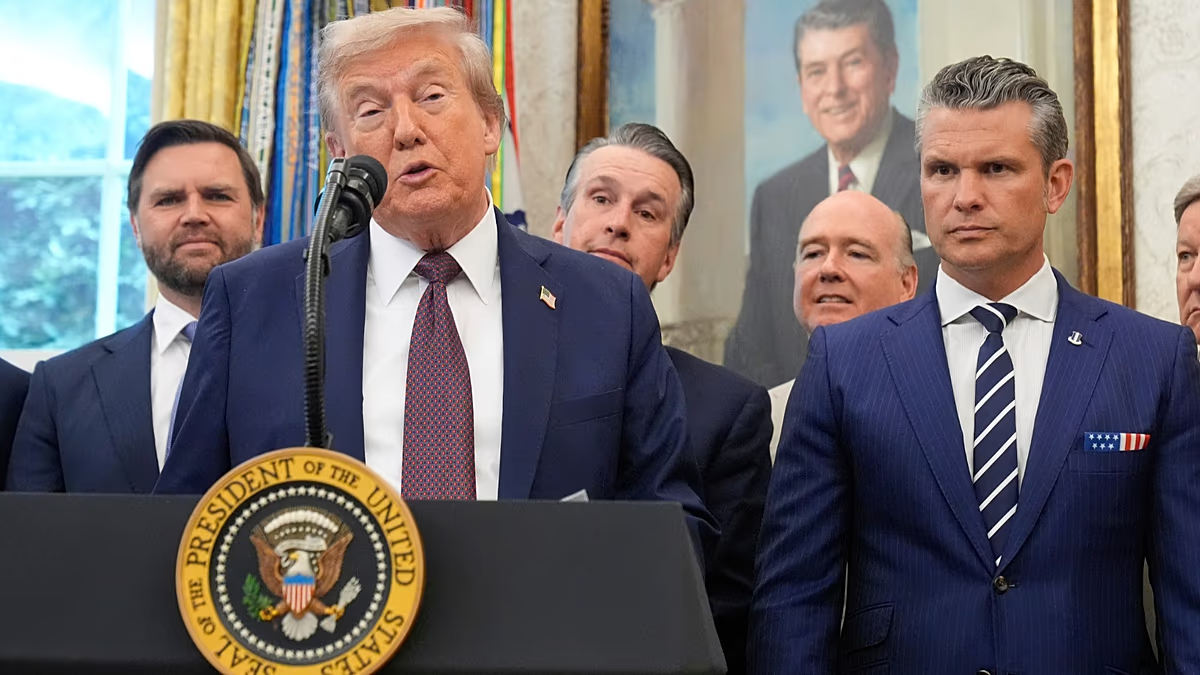

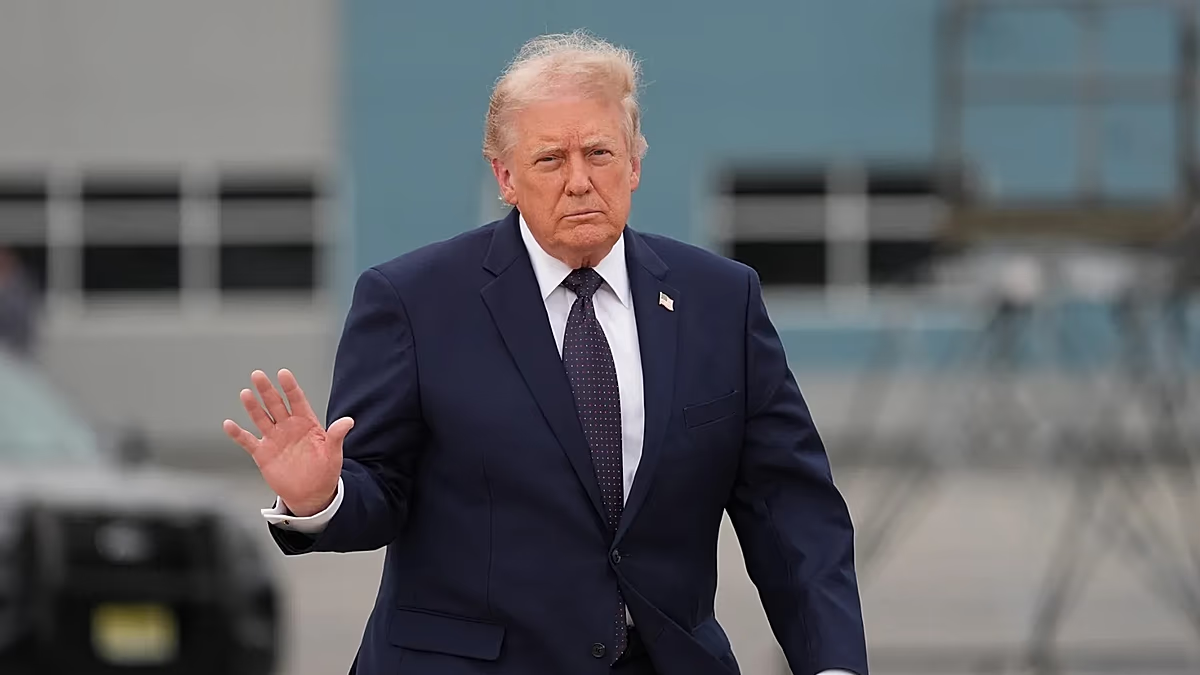


The prospect of a landmark agreement between the United States and Iran has entered a critical, yet deliberately measured, phase. President Donald Trump’s recent statements capture the complex duality of the moment: while confirming that a deal has been “largely negotiated,” he has simultaneously instructed his representatives “not to rush.” This careful pacing underscores the high stakes involved, emphasizing a desire to finalize a durable framework rather than succumb to the pressure for a swift announcement. Trump’s description of talks as “constructive” and “orderly,” and his note that the relationship is becoming “much more professional and productive,” signals a significant shift from the overt hostility that has defined recent years. However, this approach has drawn criticism from within his own party, with some Republicans advocating for a more uncompromising stance, a political dynamic Trump must navigate as negotiations reach their zenith.
The potential accord, as reported, aims to resolve a multifaceted crisis. Its primary objectives are to definitively end the ongoing war, securely reopen the strategically vital Strait of Hormuz, and address international concerns over Iran’s nuclear program. The closure of the Strait, a direct response to U.S. and Israeli military actions in late February, has triggered a severe global energy crisis, causing prices for oil, gas, and related products to spike dramatically. Experts warn that even after a reopening, the recovery of normal shipping lanes and stable prices could take weeks or months, highlighting the immense economic urgency behind the diplomatic efforts. As a sign of continued leverage, President Trump has affirmed that the U.S. naval blockade of Iranian ports “will remain in full force and effect until an agreement is reached, certified, and signed,” maintaining pressure while the final details are settled.
A cornerstone of the emerging deal, and perhaps its most challenging component, involves Iran’s stockpile of highly enriched uranium. Reports indicate that Tehran would agree to relinquish this material, with some being diluted and the remainder transferred to a third country—an arrangement where Russia has reportedly offered assistance. This is no small concession; Iran currently possesses nearly 441 kilograms of uranium enriched to 60% purity, a technical stone’s throw from the 90% considered weapons-grade. A U.S. official has directly tied this action to sanctions relief, stating clearly that without Iran giving up its stockpile, there will be no economic reprieve. This creates a clear quid pro quo at the heart of the negotiations, making the disposition of uranium the linchpin for the entire agreement.
Yet, a significant gap remains between reported details and public commitment from Iran. The nation has consistently maintained that its nuclear program is purely peaceful, even as it has advanced its enrichment capabilities to near-weapons-grade levels. While President Masoud Pezeshkian has publicly expressed readiness “to assure the world that we are not after a nuclear weapon,” Iranian officials have not yet openly committed to surrendering their enriched uranium stockpile, which President Trump has identified as a key demand. This silence points to the profound domestic and symbolic weight of the decision for Tehran, where nuclear technology is framed as a sovereign right. Foreign Ministry spokesman Esmail Baghaei acknowledged “narrowing differences” but also emphasized Iran’s caution, born from being attacked during previous negotiations, a history that informs their current wariness.
The shadow of recent violence looms large over the talks. The current ceasefire, in place since April 7th, follows a traumatic period that began twelve weeks ago with U.S. and Israeli strikes that resulted in the death of Supreme Leader Ayatollah Khamenei and dozens of other senior officials. This context makes the sustained, albeit fragile, ceasefire a monumental achievement in itself. The occasional exchange of fire since then serves as a stark reminder of how quickly the situation could unravel. For Iran, entering a comprehensive agreement so soon after such a devastating blow is an immensely sensitive undertaking, requiring assurances that diplomacy offers genuine security and tangible benefits, not merely a prelude to further pressure.
In conclusion, the world watches as the United States and Iran engage in a delicate diplomatic minuet, balancing the urgent need for regional stability and economic relief against deep-seated mistrust and complex domestic political considerations. The framework of a deal is evident: peace, open waterways, and nuclear constraints in exchange for sanctions relief and security assurances. However, the final steps—particularly Iran’s formal agreement to part with its uranium stockpile—require navigating a minefield of historical grievance, national pride, and strategic calculation. President Trump’s call to “take their time and get it right” acknowledges that after years of conflict and a devastating war, the final signature must close the door on the recent past and open a more stable, predictable chapter for the Gulf region and the world. The success or failure of this effort will resonate far beyond the negotiating room.