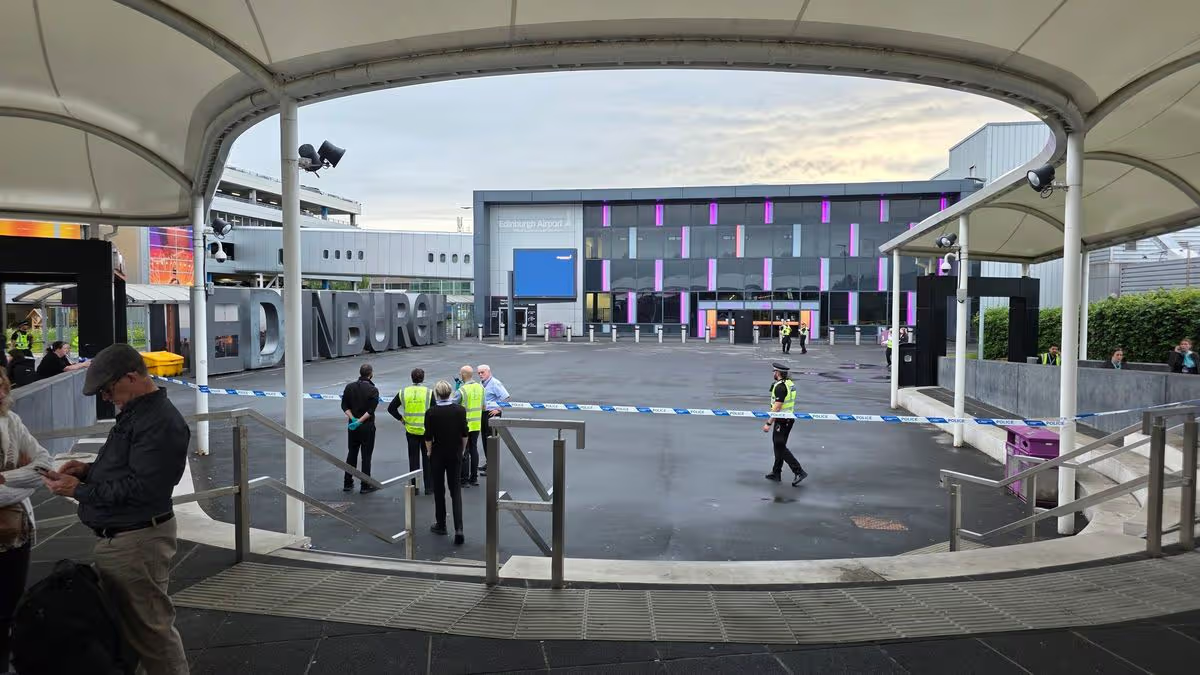



A tense evening unfolded at Edinburgh Airport on Friday, June 19th, 2026, as a routine summer’s day was abruptly transformed into a scene of high-alert security operations. Police Scotland confirmed the unsettling news: a report of a potentially suspicious package had been made shortly before 7:00 PM, triggering an immediate and large-scale response. In an abundance of caution, the decision was made to evacuate the entire airport terminal. Travelers awaiting flights, families reuniting, and airport staff alike were all directed to leave the building, creating a palpable atmosphere of confusion and concern as hundreds of people spilled out onto the curbsides and surrounding areas, their travel plans suddenly and completely suspended.
The police response was swift and comprehensive, designed to prioritize public safety above all else. Specialist officers from the Explosive Ordnance Disposal (EOD) unit—the military bomb squad—were swiftly dispatched to the scene. Their presence underscored the seriousness with which the report was being treated. To create a secure perimeter for their assessment, a wide cordon was established around the airport complex. This necessary safety measure led to significant disruptions, with key access roads closed to all traffic. The sight of armed police and the ominous, armored EOD vehicles created an unsettling contrast to the airport’s usual bustling, commercial environment, a stark reminder of the vulnerabilities in public spaces.
For the individuals caught up in the incident, the experience was one of profound disruption and anxiety. Imagine the frustration of families, having navigated check-in and security, now being ushered back outside without their luggage. Consider the stress of business travelers facing crucial meetings, or the distress of those trying to reach loved ones for important events. The human impact extended beyond the terminal walls, affecting taxi drivers, bus services, and nearby hotels. With roads sealed, the disruption rippled outwards, causing traffic gridlock and leaving many people stranded, unsure of how to proceed or where to go for information.
Authorities worked diligently to manage both the operational and the human aspects of the crisis. Police Scotland’s public statements were measured and frequent, aiming to provide clarity without causing unnecessary panic. They explicitly advised the public to check ahead and contact their airlines directly for flight-specific updates, recognizing that the airlines themselves would be best placed to manage the cascading delays and cancellations. This directive was crucial, as it helped channel the inevitable flood of inquiries away from the emergency services, allowing them to focus on the security threat while empowering travelers to take practical steps regarding their journeys.
Behind the scenes, a meticulous investigative process was underway. The primary focus for the EOD team was, of course, the safe examination and neutralization of the reported package. Concurrently, other police units would have been engaged in urgent enquiries to trace the origin of the report, reviewing CCTV footage, interviewing witnesses, and working to establish whether the threat was credible or a false alarm. Every such incident is treated with utmost seriousness until proven otherwise, a protocol that ensures safety but also acknowledges the significant cost and turmoil that such alerts inevitably cause.
As the evening progressed, the situation remained fluid, with the all-clear yet to be given. The closure of a major national infrastructure hub like Edinburgh Airport represents a major event with economic and logistical repercussions that would last long into the night and likely the following day. The incident serves as a sobering reminder of the complex security landscape in which we live, where vigilance is constant and public cooperation is essential. While the hope for a peaceful and swift resolution remained, the displaced passengers and staff could only wait, their lives and plans put on hold by a single, unsettling report, underscoring how quickly normalcy can be disrupted in our modern world.