


Of all the aspirations that unite humanity, the desire to age with vitality, to live not just longer but better, is perhaps the most universal. It’s a quest that has fueled countless industries and wellness trends, but new research suggests a profoundly simple and accessible key may have been in our kitchens all along. Presented at the European Congress on Obesity in Istanbul, a compelling study points to everyday dietary staples—berries, apples, coffee, cocoa, and tea—as powerful allies in protecting our very DNA from the damage associated with unhealthy aging. This isn’t about exotic superfoods or restrictive regimes; it’s about the cumulative, protective power of the polyphenol compounds abundant in these common foods, offering a refreshingly practical blueprint for supporting our cellular health one meal at a time.
The science hinges on a critical biological structure: the telomere. Imagine the plastic aglets at the end of your shoelaces, which prevent the laces from fraying. Telomeres serve a similar protective function at the ends of our chromosomes, the bundles of DNA that hold our genetic blueprint. Each time a cell divides, these telomeric caps shorten slightly. When they become too short—a state known as “short telomeres”—the cell can no longer divide effectively and enters a state of senescence or dies. This process is a fundamental mechanism of aging at the cellular level. Crucially, the study found that shorter telomeres are strongly linked to a higher risk of developing age-related diseases, including cardiovascular disease, type 2 diabetes, certain cancers, and even a shorter overall lifespan. The research, led by Isabella Kury Guzmán of the University of Navarra, Spain, discovered that individuals with the highest intake of dietary polyphenols had a striking 52% lower risk of having these short, vulnerable telomeres.
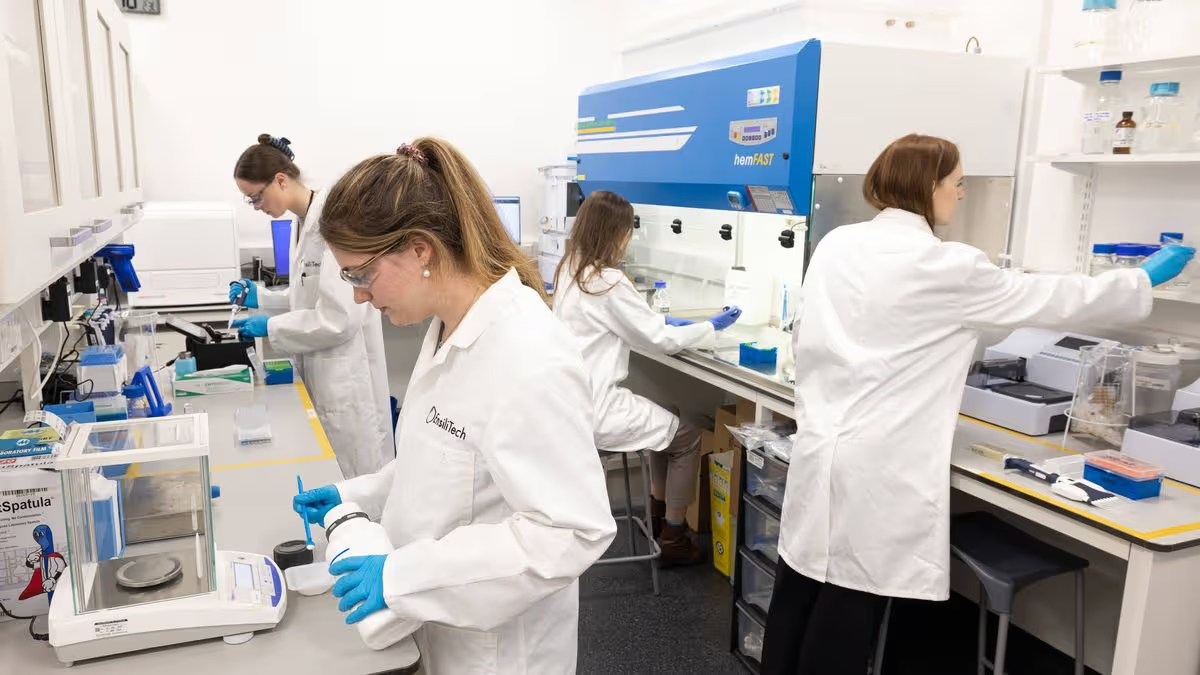
So, what are these protective polyphenols, and where do we find them? Polyphenols are natural compounds produced by plants, often responsible for the vibrant colours, flavours, and aromas of fruits, vegetables, and other botanicals. They are renowned for their potent antioxidant and anti-inflammatory properties, which help neutralise free radicals and soothe chronic inflammation—two major drivers of cellular damage and aging. The study meticulously measured both telomere length and polyphenol consumption in over 1,700 adults across several years. The results painted a clear picture: a diet rich in polyphenol-packed foods is strongly associated with longer, healthier telomeres. For instance, moderate coffee consumption—averaging up to one cup per day—was linked to a 26% lower risk of short telomeres compared to avoiding coffee altogether. Similarly, consuming four to five servings of fruit daily was associated with a 29% reduced risk compared to low fruit intake.
This research powerfully reframes the conversation from seeking a single “anti-aging miracle” to appreciating the symphony of benefits provided by consistent, wholesome choices. As study author Isabella Kury Guzmán emphasises, “This is not about one ‘anti-ageing’ food, but about the cumulative effect of everyday dietary choices over time.” This perspective is echoed by other experts in the field. Professor Ana Rodriguez-Mateos of King’s College London notes that clinical evidence already links polyphenols to a lower risk of heart disease and cognitive decline, as they support blood vessel and brain function. However, nutrition scientists like Professor Gunter Kuhnle of the University of Reading offer an important nuance: because polyphenols are so intrinsically tied to plant-based foods, it can be challenging to separate their specific effects from the overall benefits of eating a diet rich in fruits, vegetables, and whole foods. The takeaway is not to hunt for isolated polyphenol supplements, but to embrace the whole, natural packages they come in.
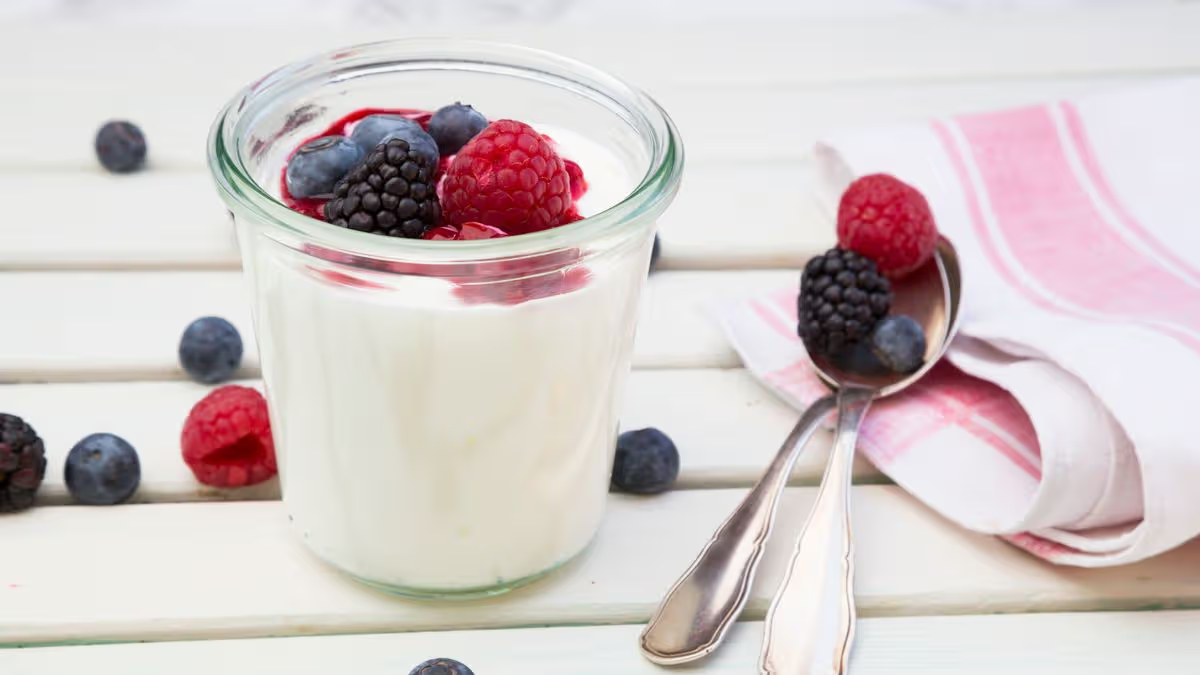
Translating this science into daily life is refreshingly straightforward. Registered dietitian Sasha Watkins of Mindful Chef advocates for simple, colourful additions to our plates: a handful of mixed berries stirred into morning yoghurt or oatmeal, a more adventurous mix of herbs and spices in cooking, or committing to an extra portion of vegetables at dinner. “The more colourful and varied your meals, the wider the range of good things you’re likely eating,” she advises, distilling the principle into one foundational command: “eat more plants.” This could mean savoring a cup of green tea in the afternoon, enjoying a square of dark cocoa-rich chocolate, adding apple slices to a salad, or choosing a berry compote as a dessert. Each choice contributes to that vital, cumulative intake of protective compounds.
Ultimately, this research offers a hopeful and empowering message. The pursuit of healthier aging is not necessarily found in a complex laboratory formula, but in the gentle, daily ritual of nourishing ourselves with nature’s bounty. By consistently choosing a diet abundant in polyphenol-rich plants—the berries in our breakfast, the apple in our lunchbox, the coffee or tea that punctuates our day—we are actively participating in the care and maintenance of our cellular integrity. It is a testament to the profound connection between the foods we enjoy and the biological processes that determine our healthspan. In the end, the secret to protecting our DNA and fostering vitality for years to come may be as simple and pleasurable as the contents of our next meal.