




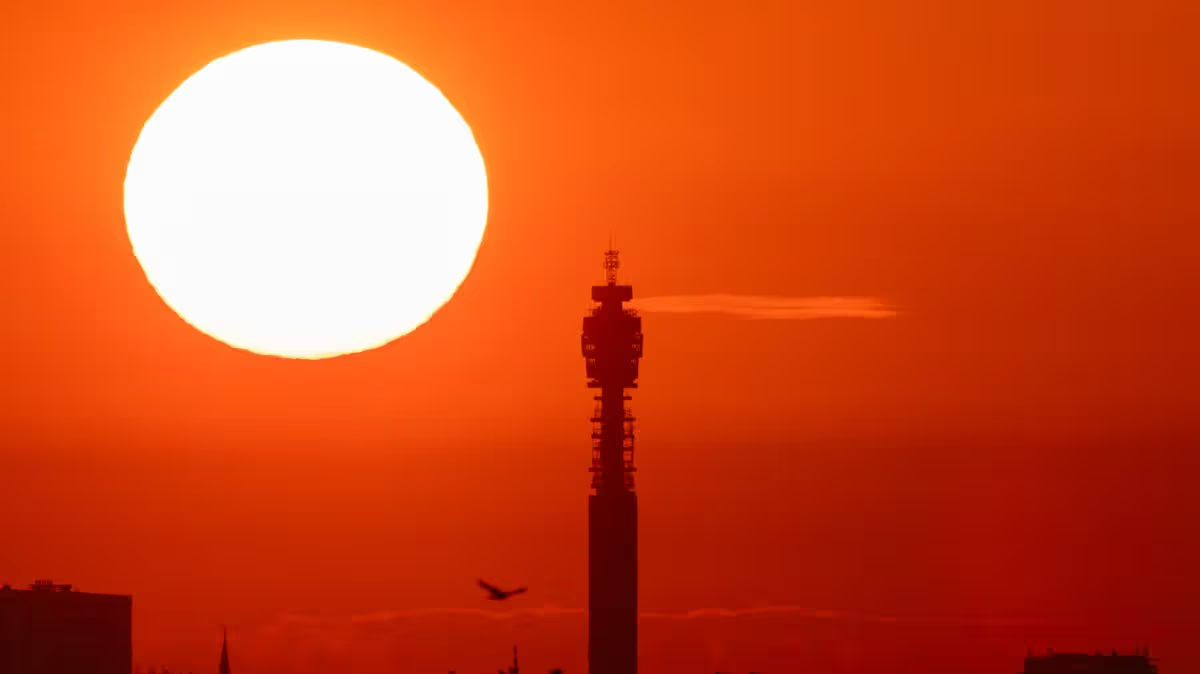
Paragraph 1: Widespread Heat Alerts Issued as UK Braces for Intense Heatwave
A significant and potentially dangerous heatwave is poised to engulf the United Kingdom, prompting weather authorities to issue a sweeping set of alerts. The Met Office has updated its warnings to cover an extensive 71 regions across the nation as forecasts predict temperatures will surge, potentially exceeding 34°C (approximately 93°F) in the coming days. This imminent event has triggered over 70 yellow and amber heat health alerts from the UK Health Security Agency (UKHSA) in tandem with the Met Office’s own warnings. The situation underscores a serious weather event that is expected to affect a vast majority of the country, moving beyond typical summer warmth into territory that poses considerable risk to public health and infrastructure.
Paragraph 2: Timeline and Escalating Intensity of the Hot Spell
The impending heat is not a brief spike but a sustained and building event. While some areas, particularly in the south and southeast, may experience heatwave conditions over the weekend, the most intense period is scheduled for the start of the working week. The official weather warnings are set to activate in the early hours of Monday morning and will remain in effect through late Tuesday night. During this window, temperatures are forecast to climb sharply, reaching around 32°C on Monday and peaking at a sweltering 35°C on Tuesday and Wednesday. Met Office Deputy Chief Forecaster Steven Keates emphasized that the combination of this intense daytime heat with high humidity and unusually warm nights will create widespread impacts, making conditions feel even more oppressive and uncomfortable for the population.
Paragraph 3: The Hidden Danger of Humidity and “Tropical Nights”
A critical factor exacerbating this heatwave is the high level of atmospheric humidity. This moisture in the air prevents the body from cooling itself efficiently through sweat evaporation, making the perceived temperature feel significantly hotter than what thermometers indicate. Compounding the daytime discomfort is the forecast for “tropical nights,” where overnight temperatures fail to drop below 20°C, especially in built-up urban areas. This lack of nocturnal relief is particularly hazardous as it denies people, especially the vulnerable, a crucial recovery period from the daytime heat. It places continuous strain on the body and increases health risks, making it a cornerstone of the official warnings about potential widespread impacts on people.
Paragraph 4: Geographic Scope: A Nationwide Weather Event
The scale of this hot spell is notably extensive. The list of affected areas reads like a roll-call of UK counties and major cities, highlighting that this is far from a localized phenomenon. Regions under alert span from the East Midlands—including Derby, Leicester, and Nottinghamshire—across the entire East of England, and throughout London and the Southeast. The warnings also extend westward into the South West of England, covering Bristol, Devon, and Gloucestershire. Furthermore, multiple areas in Wales, such as Cardiff and Swansea, and across the West Midlands, including the West Midlands conurbation and Warwickshire, are included. This broad geographic reach signifies that millions of residents nationwide need to prepare for and respond to the challenging conditions.
Paragraph 5: Public Health Implications and Official Guidance
The issuance of yellow and amber alerts by the UK Health Security Agency elevates this from a mere weather story to a major public health concern. These alerts are designed to flag the increased risks of illness and mortality, particularly among older adults, young children, and those with pre-existing respiratory or cardiovascular conditions. The warnings serve as a crucial signal for individuals to take proactive steps: staying hydrated, avoiding the sun during peak hours, checking on vulnerable neighbours, and seeking cooler spaces. Authorities are cautioning that the heat will likely disrupt infrastructure, potentially straining power networks and transport services, while also leading to a heightened risk of heat-related illnesses if precautions are not diligently followed.
Paragraph 6: A Call for Preparedness and Continued Vigilance
As confidence grows in the forecast models, indicating the heatwave’s persistence and intensity, further weather warnings may be issued. The current predictions suggest a slight easing of temperatures by Thursday, with the highest heat—around 34°C—potentially becoming more confined to the southeast. However, the message from meteorologists and health officials remains clear: the UK is facing a severe and impactful hot spell. It represents a collective test of preparedness and resilience. This event calls for public awareness, community responsibility, and heeding official advice to ensure safety, highlighting how such extreme weather events are becoming a more pressing feature of modern British summers. The coming days will require vigilance and care from all.