


The second day of the Ulaanbaatar Grand Slam unfolded with the same electric atmosphere that had charged the Steppe Arena from the outset. As the sun rose over the Mongolian capital, a large and expectant crowd gathered, their anticipation palpable. This event marked a significant milestone—the first qualification points on the long road to the Los Angeles 2028 Olympic Games—and it drew a constellation of the sport’s biggest stars. Before the first grip was taken, the arena was treated to a vibrant opening ceremony, a celebration of rich Mongolian heritage through traditional performance and dance. The formal proceedings were graced by distinguished figures, including International Judo Federation General Treasurer Mr. Naser Al Tamimi, who officially declared the event open, alongside Mr. Uilstuguldur Altankhuyag, Chief of Staff for Mongolia’s President, and Ulaanbaatar City Mayor Mr. Purevdagva ByaruuZana. This fusion of global sport and local culture set a majestic stage for the battles to come.
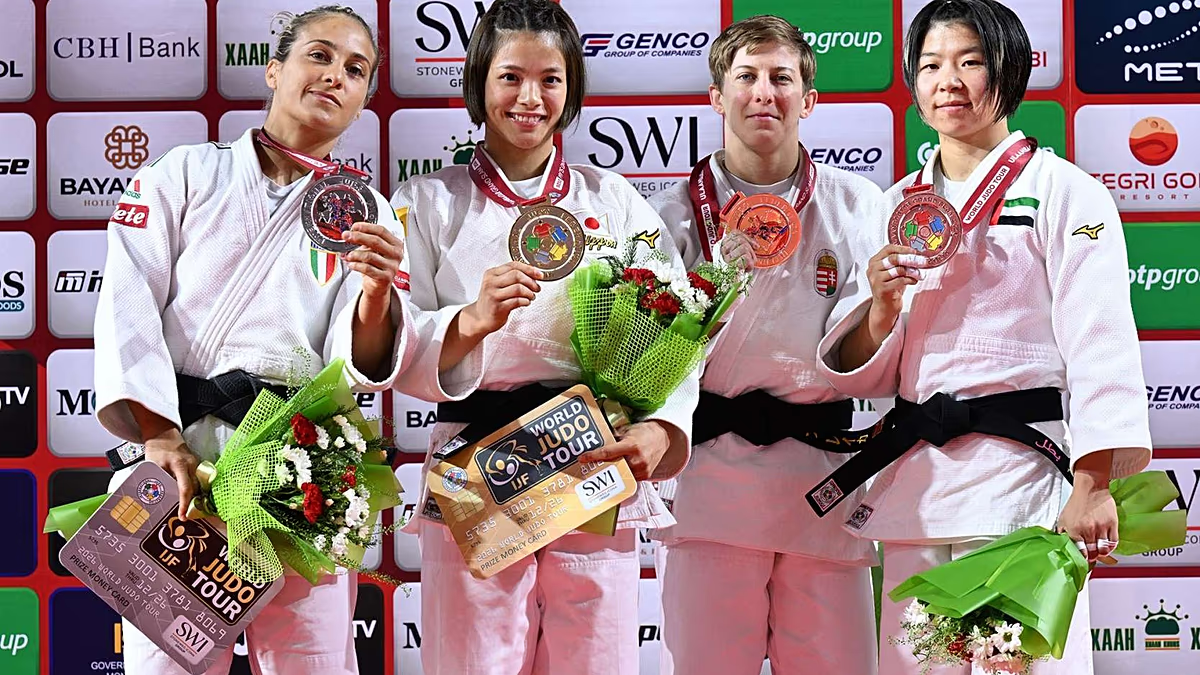
In the women’s -63kg category, the spotlight fell on Japan’s reigning world champion, Kaju Haruka, who carried an imposing, undefeated record on the World Judo Tour into her final bout. Facing the seasoned former world champion Joanne van Lieshout of the Netherlands, the contest evolved into a tense, tactical chess match. Kaju’s precision and control ultimately prevailed, allowing her to dominate and clinch the gold medal, extending her remarkable streak. The podium moment was made even more special as the medals were presented by another legend of the sport, Mongolia’s own Olympic silver medallist and world champion, Sumiya Dorjsuren, creating a poignant link between generations of judo excellence.
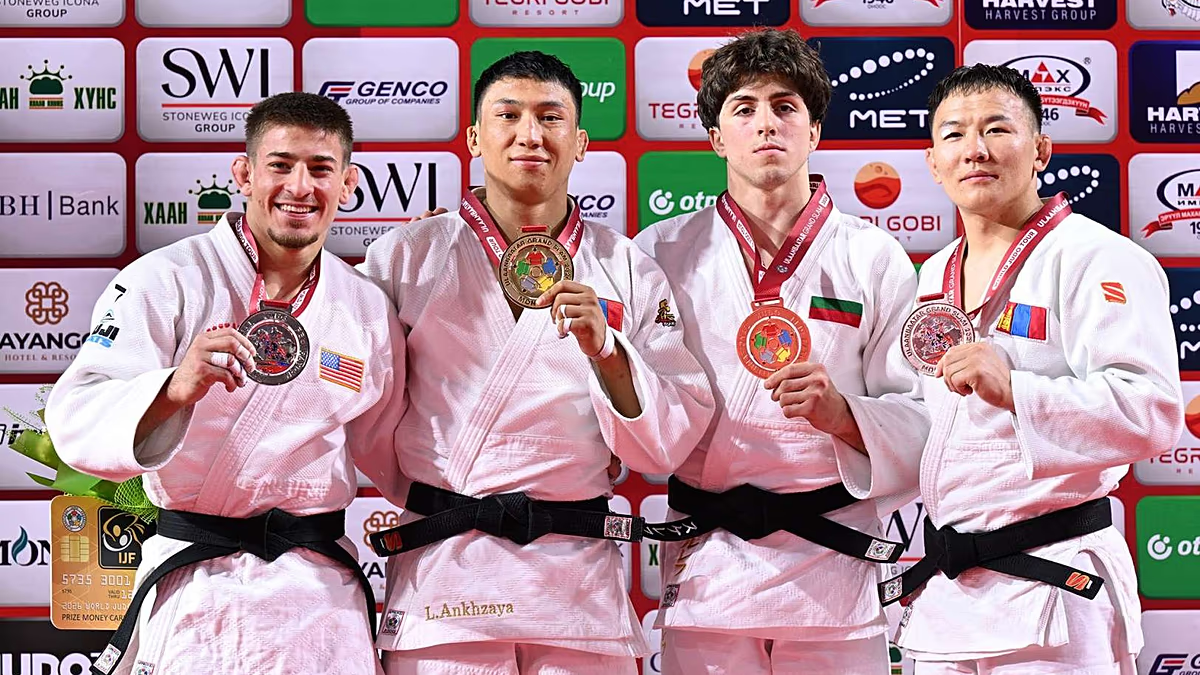
The men’s -73kg final delivered a surge of national pride that resonated through the rafters of the Steppe Arena. Mongolian hope Ankhzaya Lavjargal stepped onto the tatami to face America’s formidable Jack Yonezuka. With the crowd’s fervent support fueling his every move, the bout stretched into a nerve-wracking golden score period. The decisive moment came when Lavjargal executed a sharp technique to score a waza-ari, sending the home fans into a rapturous celebration. His triumphant gold medal was awarded by Mr. Uilstuguldur Altankhuyag, a moment that symbolized a nation’s deep connection to its sporting heroes and the profound honor of winning on home soil.
Over in the -70kg division, another Japanese world champion, Shiho Tanaka, showcased her technical prowess on her path to the final. There, she met Australia’s determined Aoife Coughlan. In a closely contested match where opportunities were scarce, Tanaka’s veteran instincts shone through. She managed to catch Coughlan on the edge of the area, securing a valuable yuko score that would prove decisive. That single point was enough to seal the victory and claim the top spot on the podium for Tanaka, who received her gold medal from Mrs. Louisa Agius Galea, the Logistics Director of the International Judo Federation.
One of the most hotly anticipated finals of the day was in the men’s -81kg category, featuring a thrilling clash between the Republic of Korea’s Lee Joonhwan and Japan’s Oino Yuhei. The match lived up to its billing, with both athletes displaying explosive power and technical skill. It was Lee who ultimately seized the moment, unleashing a thunderous ippon that left no doubt about the outcome. His victory earned a gold medal for Korea and capped a stellar personal performance. The medals for this electrifying contest were presented by Mr. Armen Bagdasarov, Head Referee Director of the IJF, a fitting conclusion to a bout defined by perfect execution.
As the day drew to a close, the host nation had further reason to cheer. In a display of textbook technique, Uranbayar Odgerel executed a flawless Tai-otoshi to win a bronze medal, adding to Mongolia’s growing tally and proving the depth of talent within the team. The collective spirit in the arena—forged from national pride, awe-inspiring athleticism, and respectful competition—created an unforgettable chapter in this Grand Slam. With the final day of competition awaiting, the stage in Ulaanbaatar is set for yet more drama, as athletes from across the globe continue their pursuit of glory and crucial points on the journey to LA 2028.