

Paragraph 1
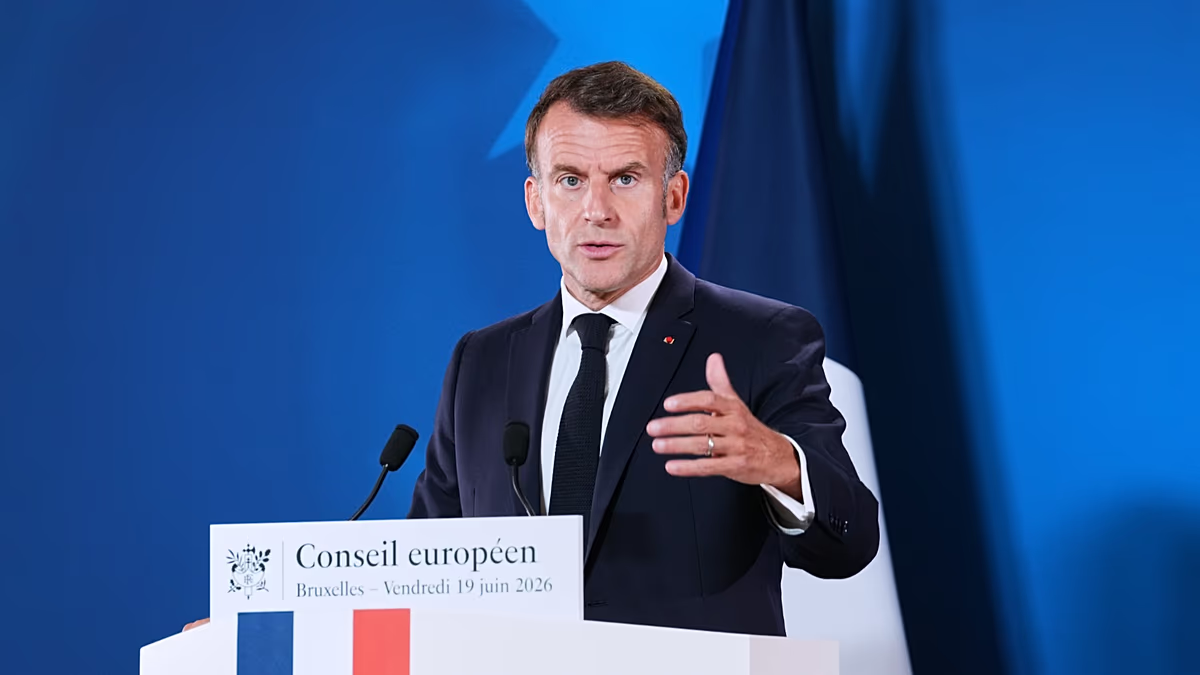
From the bustling halls of the European Council to the serene backdrop of Lake Geneva, this dispatch captures the whirlwind conclusion of a pivotal week in global diplomacy. The atmosphere is one of both exhaustion and accomplishment, as high-stakes negotiations finally give way to reflection. The centerpiece of this period was the G7 summit in Évian-les-Bains, orchestrated by French President Emmanuel Macron. Against a backdrop of recent fractured gatherings—most notably the disastrous 2023 summit—Macron managed to steer leaders toward a unified declaration that offered a clear win for Ukraine. This achievement, hailed as “the Évian moment,” represented a significant turning point, providing Europe with a much-needed sense of relief and strategic coherence.
Paragraph 2
Macron’s success was a masterclass in political psychology and pragmatic diplomacy. Understanding the unpredictable nature of the U.S. President, Macron employed a mix of strategic flattery, European charm, and grand staging—culminating in a lavish dinner at the Palace of Versailles. This approach ensured the American leader remained engaged and ultimately signed the joint agreement. The summit also witnessed the unexpected resolution of hostilities between the U.S. and Iran, a deal solidified in the ornate halls of Versailles. While imperfect from a European perspective, it served to alleviate pressure on global energy markets, allowing focus to remain squarely on Ukraine. For the European “Coalition of the Willing,” the summit was a vindication of their dual-track strategy: engage America where necessary, but act independently wherever possible.
Paragraph 3
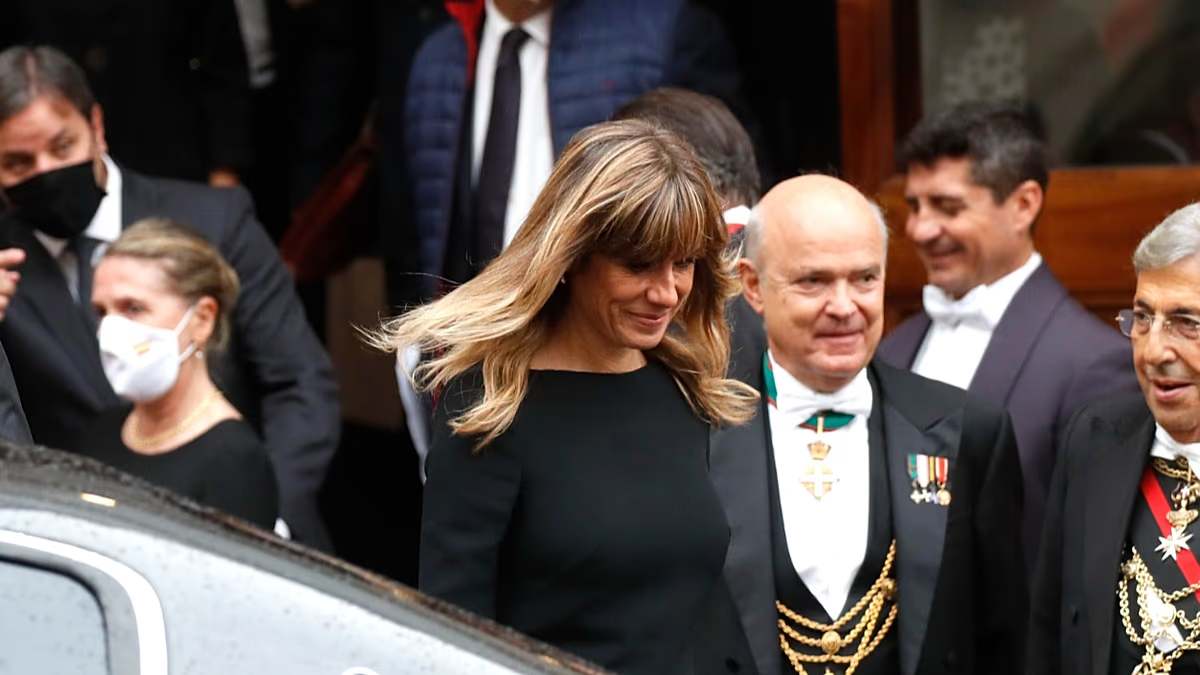
However, the summit also revealed the precarious nature of dealing with a mercurial power. Italian Prime Minister Giorgia Meloni found herself publicly humiliated by the U.S. President’s claims that she had “begged” for a photo. Her fierce, public rebuttal served as a stark lesson: there is no true “whisperer” for such a figure; he is someone to be managed, not mollified. More profoundly, her reaction highlighted a paradoxical truth—this leader often shows more respect for outright foes than for loyal allies. The episode underscored the importance of resilience and self-assertion in modern diplomacy, a lesson Macron has mastered but one all European leaders must now acutely learn.
Paragraph 4
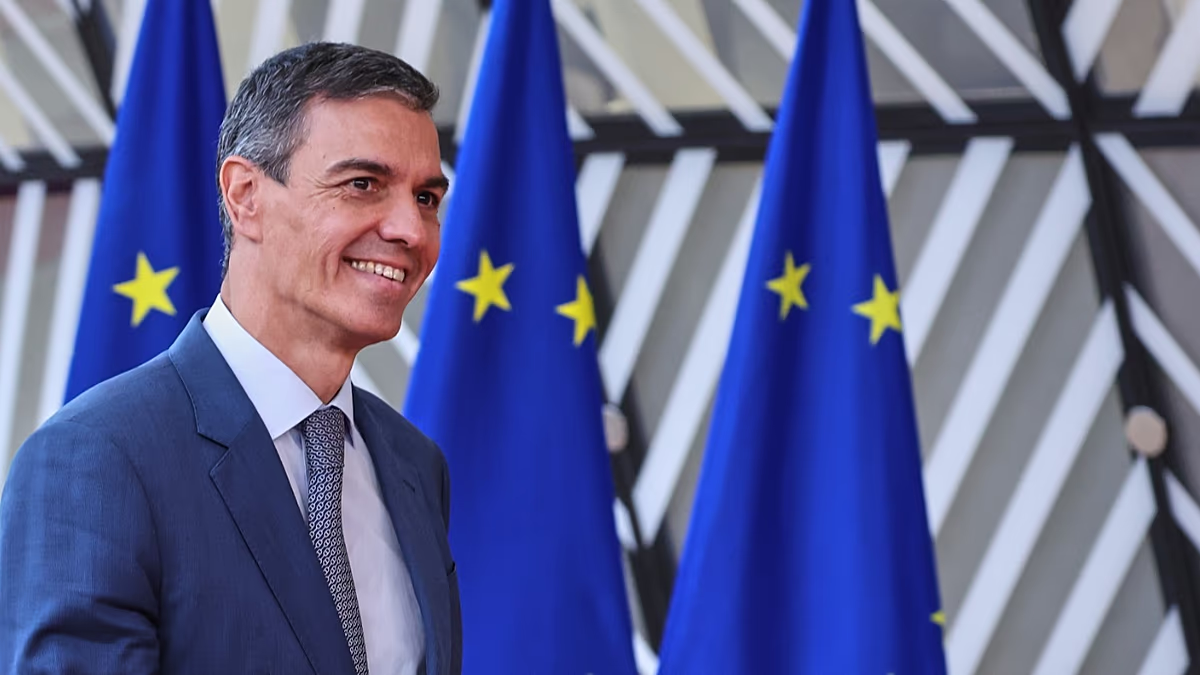
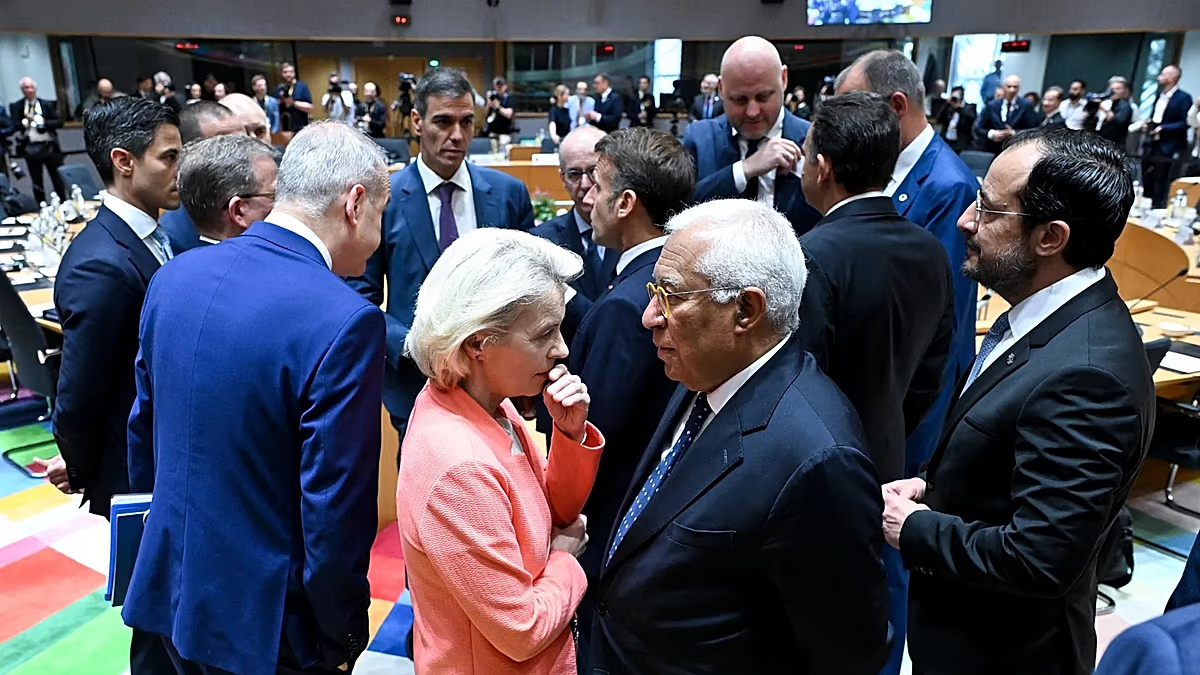
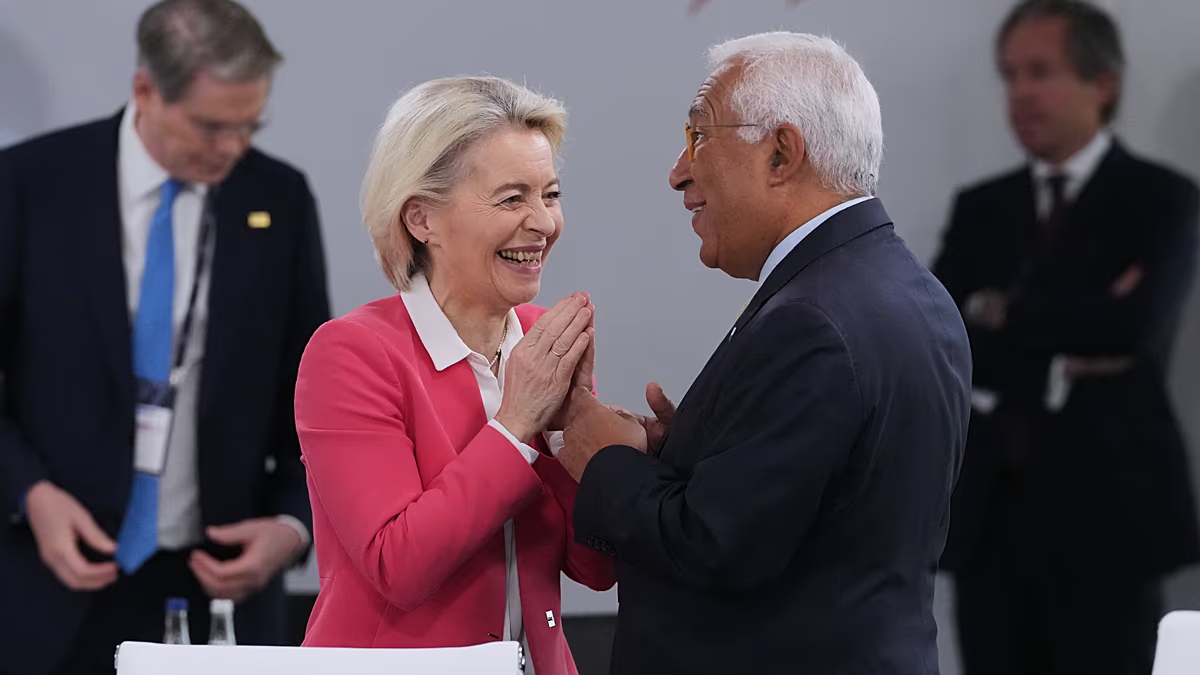
Turning from the international stage to the Brussels bubble, a different diplomatic controversy emerged. European Council President António Costa faced scrutiny after it was revealed his office had engaged in undisclosed diplomatic contact with Moscow. This marked a subtle but significant pivot from the post-invasion policy of “zero contact.” Critics viewed it as a breach of unity, but in context, Costa’s move was arguably a necessary and pragmatic step. With the potential return of a U.S. president eager to deal directly with Russia, and following explicit encouragement from Ukrainian President Volodymyr Zelenskyy to test every avenue for peace, Europe risks being sidelined in its own security future. Costa’s initiative, therefore, can be seen as an attempt to establish a European channel of communication, ensuring the continent speaks with its own voice in any eventual negotiations.
Paragraph 5
The logic behind opening a channel is supported by a shifting battlefield and strategic calculus. Recent Ukrainian successes have altered the perception of the war’s dynamics, creating a moment where diplomatic probing is increasingly urgent. European Commission President Ursula von der Leyen herself noted at the summit that it is time to consider what a mandate for talks might look like, provided Ukraine guides the process. Zelenskyy’s strategy is clear: to demonstrate through engagement that Russia is not serious about peace, thereby justifying increased pressure. The controversial phone call, while awkward in its timing, has forcibly brought a long-avoided question to the forefront: who will represent Europe at the table, and how will it navigate talks with an adversary who thrives on chaos?
Paragraph 6
Ultimately, both the triumph of Évian and the controversy in Brussels point to the same overarching challenge: Europe must define and assert its own strategic agency. The G7 showed that through clever diplomacy and unity, Europe can secure a seat at the table. Costa’s call, meanwhile, exposed the complex internal tensions—between the Council, the foreign policy chief, and the major security guarantors like France, Germany, and the UK—that must be resolved to wield that influence effectively. As the summit corridors quiet down, the pressing question remains not merely about methods or timing, but about purpose. What will Europe say when it finally opens that channel? How will it leverage diplomacy to serve its security and values? Before the next call comes around, Europeans must collectively find a clear and compelling answer.