


A Precipitous Move in a Fragile Peace
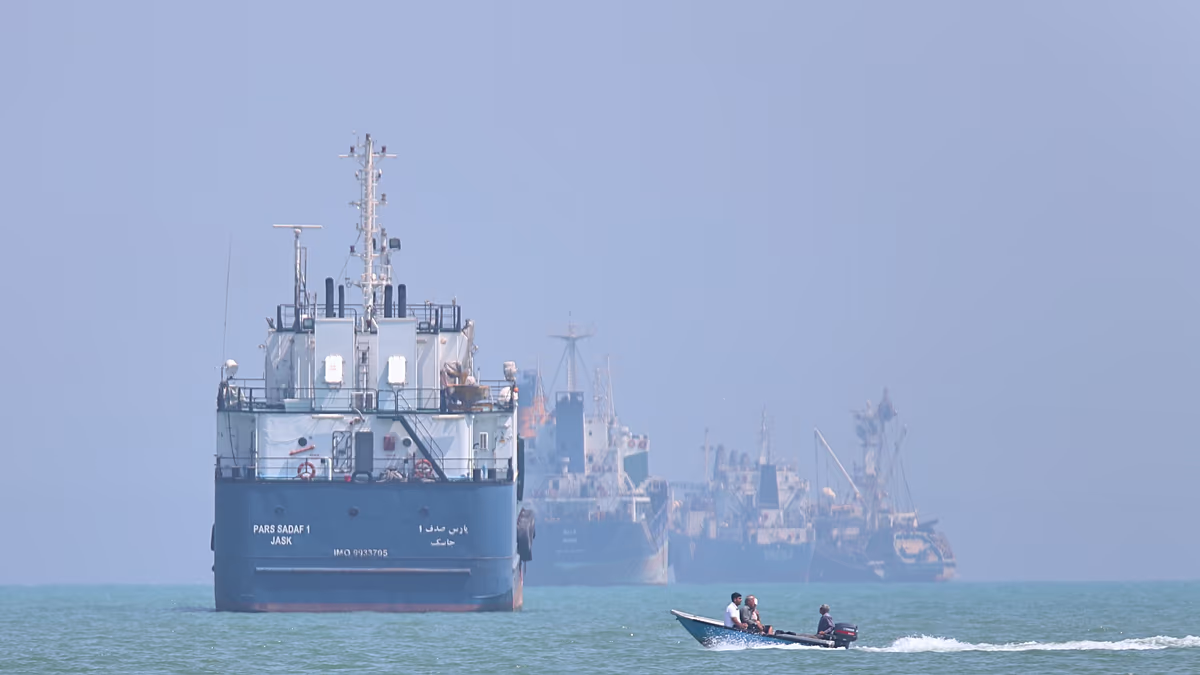
On a tense Saturday in June 2026, the world’s attention was jarringly refocused on one of the planet’s most critical maritime passages. Iranian military authorities, citing what they called a blatant breach of a nascent peace agreement, announced they had once again sealed the Strait of Hormuz. This drastic action, reported by Iran’s Fars state news agency, was presented as a direct response to continued Israeli airstrikes in southern Lebanon, which had persisted despite a declared ceasefire with the Iran-backed Hezbollah group just a day prior. The move was not merely a regional gesture; it was a global alarm bell, threatening to plunge volatile energy markets back into the chaos experienced earlier in the year when Iran first blocked this vital artery.
The Rationale: Broken Promises and Southern Strikes
The Iranian military statement framed the closure as an act of compelled retaliation, born from profound frustration. It accused the United States of acting in “flagrant bad faith” by failing to uphold the first clause of a recent end-of-war agreement and pointed to “relentless” Israeli violations of the ceasefire in Lebanon as the immediate catalyst. This referenced a hard-worn memorandum of understanding between Washington and Tehran, a diplomatic document whose central pillar was the reopening of the Strait to facilitate a winding down of broader hostilities. By closing it again, Iran signaled that the entire delicate peace architecture was now in jeopardy. A foreign ministry spokesperson underscored this ultimatum, warning that the U.S. must swiftly take “necessary measures” or risk the agreement’s total collapse.
The Immediate Backdrop: A Ceasefire Shattered
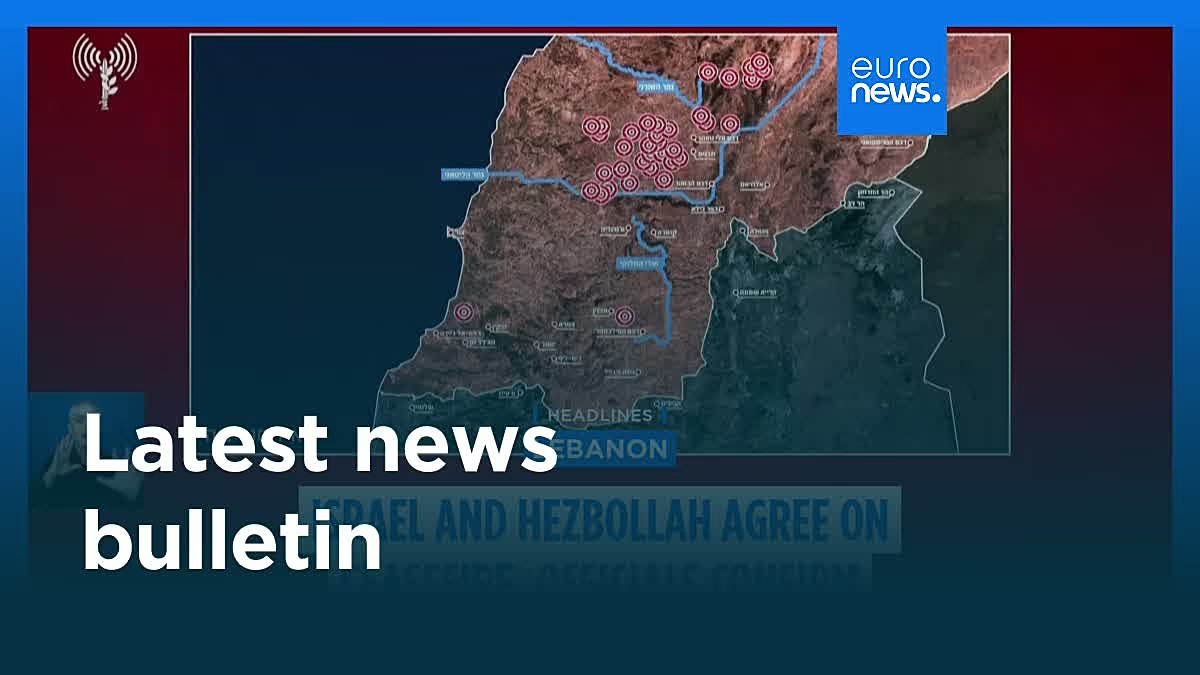
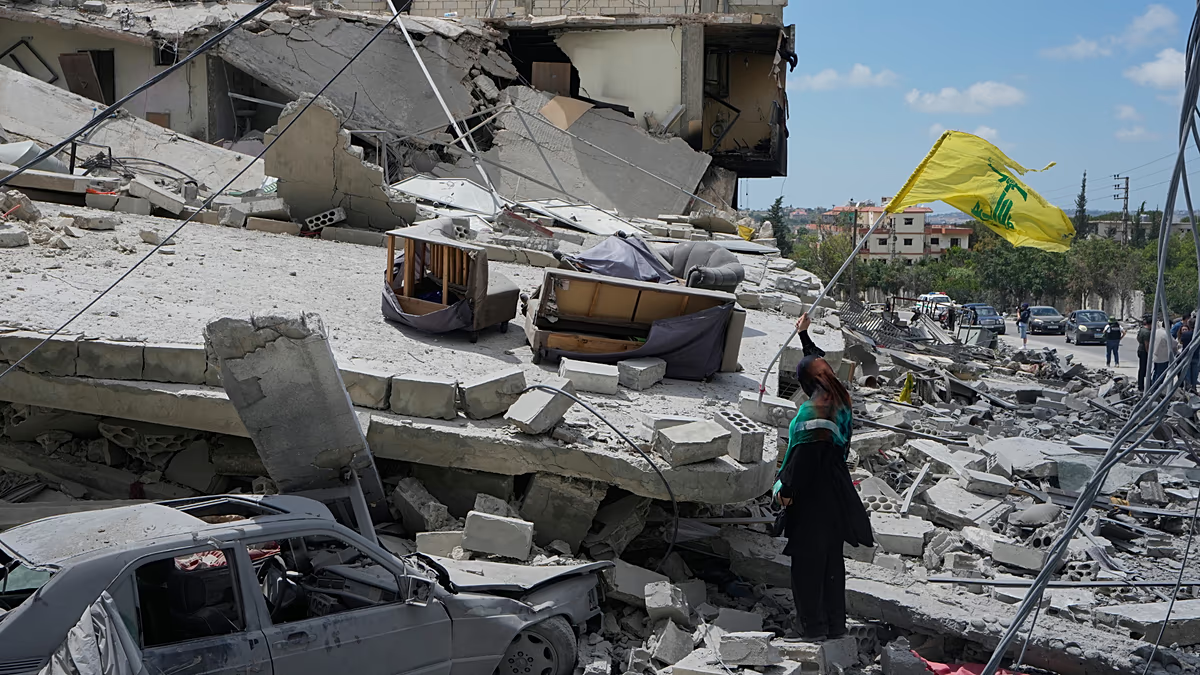
The strategic decision in Tehran followed a night of violence that belied diplomatic hopes. Only on Friday, a ceasefire between Israel and Hezbollah had been announced, offering a fragile respite to communities on both sides of the border. This hope was shattered by dawn on Saturday. Lebanese civil defence agencies reported devastating Israeli strikes in the Nabatieh area, claiming at least 16 lives and leaving 12 injured. The Israel Defense Forces justified its actions, stating they were a direct response to Hezbollah firing over 50 rockets into Israeli territory overnight. The IDF claimed it targeted Hezbollah’s military infrastructure—including launch sites, weapons depots, and command centres—in a clear demonstration that the ceasefire, on the ground, had instantly unraveled.
Diplomatic Channels: A Critical Meeting in the Balance
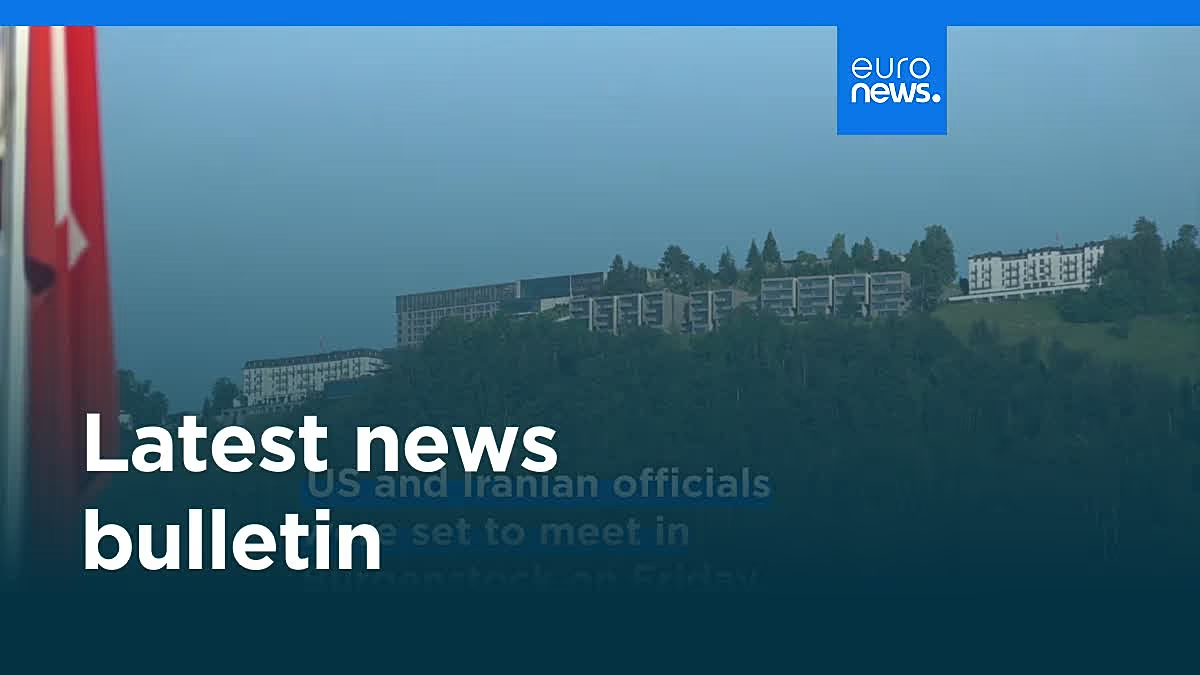
Even as military actions escalated, a parallel diplomatic track was struggling to find its footing. High-stakes talks between U.S. and Iranian officials, facilitated by mediators from Qatar and Pakistan, were originally scheduled for Friday in Switzerland to chart the implementation of their agreement. That meeting was postponed amid the rising tensions. However, reports indicated that U.S. Special Envoy Steve Witkoff had since arrived in Switzerland, and Iran confirmed it would send a delegation. The Iranian mission’s stated goal was stark and simple: to “demand the implementation of the other side’s commitments.” The closure of the Strait transformed these upcoming discussions from a procedural meeting into a crisis negotiation, with the stability of global energy supplies hanging in the balance.
Global Repercussions: The Chokepoint’ Stranglehold
The strategic weight of Iran’s decision cannot be overstated. The Strait of Hormuz is a geographical pinch point through which approximately one-fifth of the world’s traded oil and a significant portion of its liquefied natural gas must pass. Its closure earlier in the year had triggered shockwaves through global markets, spiking prices and fueling inflation. By reactivating this geopolitical weapon, Iran demonstrated its potent ability to exert pressure far beyond its immediate borders, holding the global economy hostage to the fortunes of Middle Eastern diplomacy. The move was a stark reminder that in an interconnected world, a conflict in the Levant could directly determine energy security and economic stability from Europe to Asia.
An Uncertain Path Forward
The situation presents a deeply precarious standoff. On one side, Iran holds a powerful lever over the global economy, demanding tangible U.S. action to restrain its ally, Israel, and adhere to the signed agreement. On the other, Israel asserts its right to defend itself against rocket barrages, while the United States is caught between its commitment to Israeli security and its diplomatic pact with Tehran. The postponed Swiss talks now carry an immense burden: to de-escalate military conflict, salvage a crumbling peace deal, and reopen a waterway vital to worldwide commerce. The coming days will test whether diplomacy can rise above the cycle of strike and counter-strike, or if the region—and the world—will face renewed instability driven by miscalculation and broken trust.