




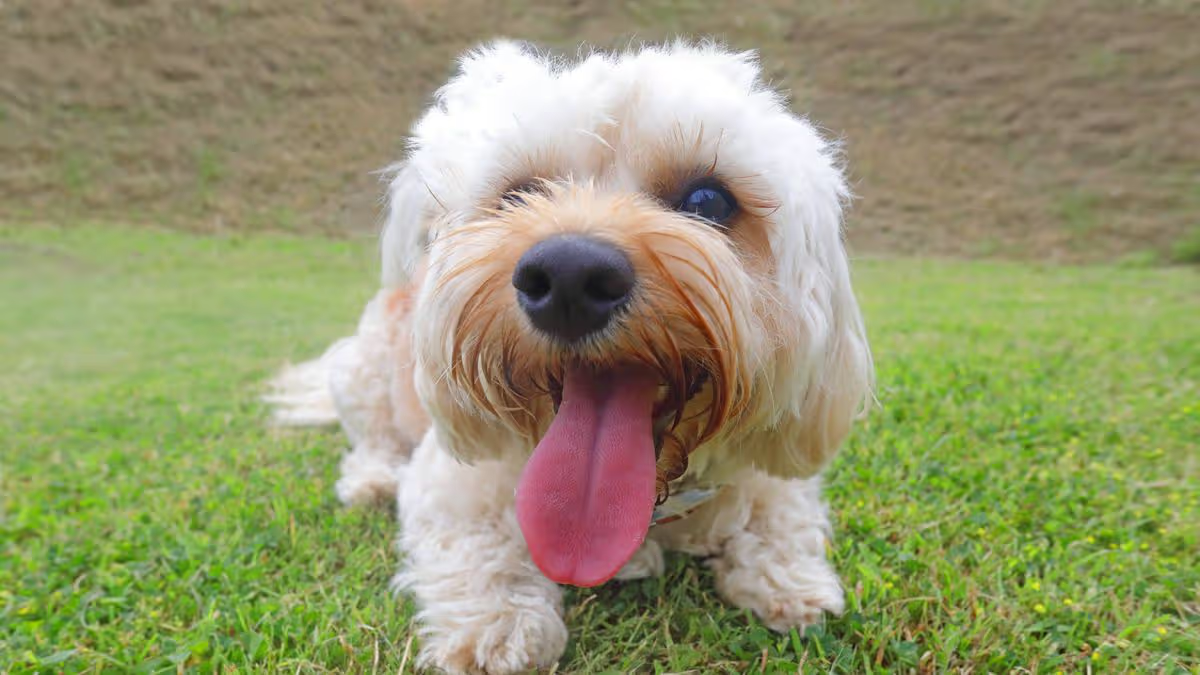
The bond between a dog and its owner is built on love, trust, and a profound sense of responsibility for their well-being. As summer arrives with its bright skies and soaring temperatures, this duty of care becomes even more critical. Recent warnings from experts like Chris Maxted of Dog-G8 highlight a sobering reality: our gardens, those beloved spaces for play and relaxation, can harbor hidden dangers for our canine companions during a heatwave. With forecasts predicting temperatures exceeding 30°C in parts of the UK, it is imperative that we view our outdoor spaces through our dog’s eyes, proactively adapting them to ensure safety and comfort. The goal is not to instill fear, but to empower owners with practical knowledge, transforming our gardens from potential hazard zones into secure summer sanctuaries.
The most immediate and severe threat during hot weather is heatstroke, a potentially fatal condition for dogs. Unlike humans, dogs regulate their body temperature primarily through panting and have limited ability to cool down, making them exceptionally vulnerable. The first line of defense is creating a cool, shaded refuge. As Maxted emphasizes, shaded areas are non-negotiable, as temperatures above 20°C begin to increase the risk, with anything over 24°C posing serious danger. This shade should be plentiful and enduring throughout the day. Furthermore, we must be vigilant about what lies beneath our dog’s paws. Surfaces like tarmac, patio stones, and even artificial grass can become scorchingly hot in direct sun. A simple, compassionate test is the “seven-second rule”: if you cannot comfortably hold the back of your hand against the surface for seven seconds, it is too hot for your dog’s sensitive pads. Providing an outdoor shelter, such as a well-ventilated kennel in a shaded spot, is also crucial for dogs who enjoy spending time outside, ensuring they have a protected retreat even when you are not home to let them inside.
Beyond the heat, the physical security of the garden perimeter is fundamental to a dog’s safety. A moment’s distraction can lead to a heartbreaking escape. A secure fence, tailored to your dog’s size and breed—with a height of up to two meters being a good benchmark for many active dogs—forms the primary barrier. However, security demands a meticulous eye. It is essential to patrol the fence line, searching for gaps a determined dog could squeeze through or dig under. Panels must be sturdy and sunk deeply into the ground. Often, the gate is the weakest link; a robust locking mechanism, perhaps even with a secondary latch for clever escape artists, is vital. For added peace of mind, especially for dogs who enjoy moving freely between the house and garden, installing a reliable pet gate at the doorway can create a safe boundary. This prevents unsupervised roaming into potentially dangerous indoor areas, like kitchens with hot appliances, while allowing your dog to enjoy the fresh air in a controlled environment.
The very flora and substances we use to cultivate our gardens can pose silent threats. Many common plants, including lilies, foxgloves, and daffodils, are toxic to dogs if ingested. A proactive approach involves researching and choosing non-toxic alternatives like lavender, sunflowers, or calendula for your planting schemes. More insidious are the chemicals we might employ. Slug pellets, weed killers, rat poisons, and even some fertilizers and insect deterrents contain compounds that are extremely dangerous to pets. The safest practice is to avoid these products altogether, seeking out pet-friendly alternatives. For any potentially harmful substances you must use, or for plants whose safety you are unsure of, strategic placement is key—utilize hanging baskets or raised planters well out of your dog’s reach. This conscious curation turns your garden into a safe exploration zone for curious noses.
Ultimately, safeguarding our dogs is an act of deep empathy. It requires us to pause and consider the world from their perspective: feeling the burn of the patio with our hands, checking the fence at their eye level, and understanding their innate curiosity about plants and smells. The tips provided—from the seven-second rule to securing the gate—are not merely a checklist, but chapters in a manual for compassionate cohabitation. By implementing these measures, we do more than prevent emergencies; we actively build an environment where our dogs can thrive, play, and rest without fear. Their well-being is a direct reflection of our care and foresight.
As responsible guardians, our role extends beyond providing food and shelter; it encompasses creating a holistic environment of safety. This summer, let our actions be guided by vigilance and love. Let us commit to performing these essential checks, ensuring our gardens are prepared not just for the beauty of the season, but for the safe enjoyment of our four-legged family members. In doing so, we honor the trust they place in us every day, guaranteeing that their happiest memories are made in a space that is as secure as it is joyful.