



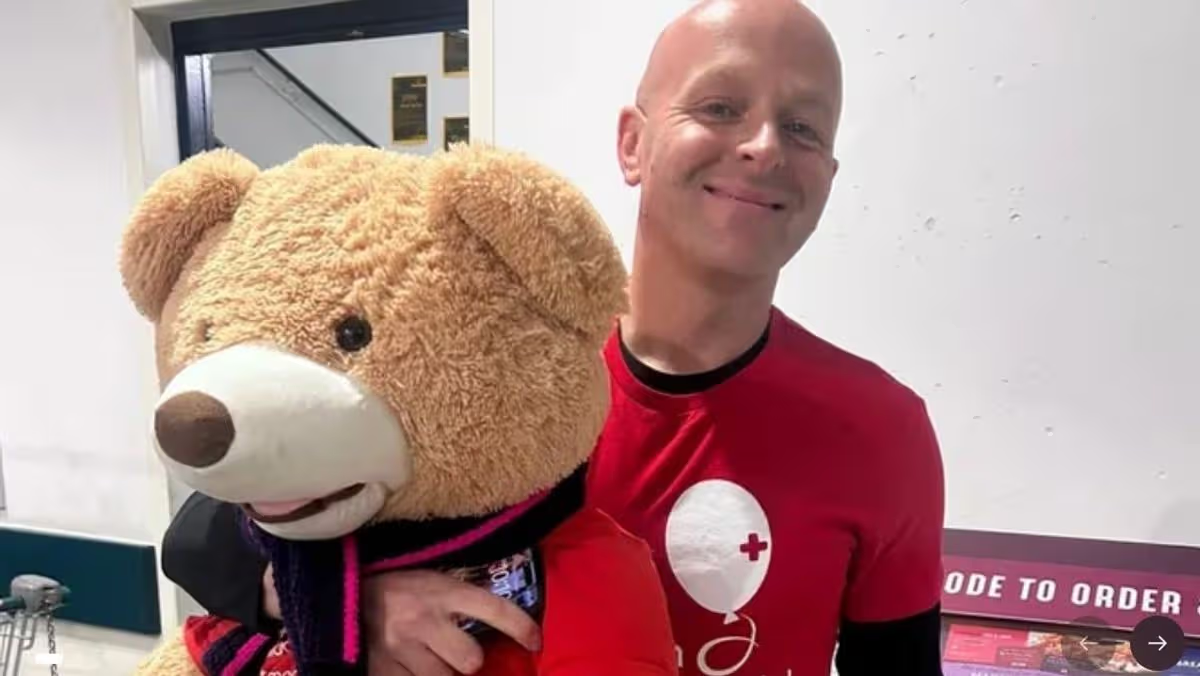
In the heart of Aldridge, near Walsall, a community has rallied in a profound display of solidarity, turning a local controversy into a national conversation about fairness, loyalty, and the challenging realities faced by retail workers today. The focal point of this outcry is Sean Egan, a 46-year-old man who had dedicated 29 years of his life to Morrisons supermarkets, starting his career with the chain while still a schoolboy. His recent dismissal from his role as store manager has ignited passionate support from the locals he served for so long. Mr. Egan was fired following an altercation with a known, aggressive shoplifter, Daniel Kendall, who spat in his face and became violent within the store. The disciplinary hearing concluded that Mr. Egan had breached Morrisons’ strict “deter-and-not-detain” policy, a protocol designed to de-escalate situations and prioritise colleague safety above intervention. For the supermarket, this was a matter of enforcing clear rules to prevent harm; for Egan and the community, it felt like a tragic failure to support a loyal employee in a moment of extreme provocation.
The incident underscores the tense and often dangerous environment retail staff now navigate daily. Mr. Egan explained that he initially followed protocol with a calm approach, but the situation rapidly deteriorated when the shoplifter became physically aggressive and assaulted him. This key detail highlights the difficult gray area employees face: policies are created for safety, but they can feel impotent when confronted with direct violence and repeat offenders who show no regard for staff. Morrisons, in a statement, emphasised that the health and safety of colleagues and customers is “paramount” and that they “will not ask colleagues to put themselves at risk.” However, this stance has been interpreted by many supporters as leaving frontline staff vulnerable, forcing them to absorb abuse without recourse, and penalising them when they react to protect themselves or the store. The emotional core of the protest lies in this perceived injustice—a man with three decades of service was, in his words, “thrown under the bus” for responding to an assault.
In response to this perceived corporate indifference, the community of Aldridge organised a peaceful demonstration on a Saturday morning, a powerful testament to the bonds formed between a longtime manager and his customers. Dozens of locals gathered outside the Morrisons store, holding signs and banners that pleaded with the supermarket to “Do the right thing – reinstate Sean Egan.” Drivers honked in support, and a palpable sense of collective frustration and warmth filled the space. Mr. Egan himself attended, visibly moved, and addressed the crowd. He thanked the people of Aldridge, calling them “very unique” and “an amazing group of people,” and stated they had “backed him from the beginning.” This was not a generic protest; it was a personal tribute to a specific individual who had clearly woven himself into the fabric of the local community over many years.
The support transcended the physical demonstration. A GoFundMe page, established by local customers, has raised over £12,000 to aid Mr. Egan as he prepares to challenge his dismissal through an employment tribunal. The fundraiser frames the battle as one about “fairness, loyalty, and standing up for what’s right,” elevating it from a single disciplinary case to a broader principle. This substantial sum reflects not only sympathy for Mr. Egan’s immediate financial and emotional strain but also a wider societal discontent with how large corporations treat long-serving employees in the face of rising retail crime. The community’s actions send a clear message: they view Egan not as a policy violator, but as a victim caught between a dangerous individual and a rigid corporate system.
Morrisons’ position, while rooted in a legitimate concern for systemic safety, risks appearing inflexible and disconnected from the human reality on the shop floor. The company notes it is taking “wide-ranging action” against shoplifting and violence, but its handling of this case has sparked debate about whether such policies adequately account for the instinctive human response to physical attack. The fundamental question posed by this situation is where the line should be drawn between following a de-escalation procedure and exercising a basic right to self-defense in a workplace. The tribunal process will legally examine the proportionality of the dismissal, but the community has already delivered its verdict through its solidarity and financial backing.
Ultimately, the story of Sean Egan transcends Aldridge. It serves as a microcosm of a national struggle as retail workers across the UK grapple with increasing aggression and theft, often feeling unsupported by policies that prioritise non-confrontation. The strong local response—the demonstrations, the fundraising, the vocal outrage—illustrates a deep-seated value for personal loyalty and community integrity over impersonal corporate protocol. Whether Mr. Egan is reinstated or not, this episode has powerfully demonstrated that the respect and support of a community can be a formidable force, offering a kind of validation that a job title or corporate policy cannot provide. It is a reminder that in our often-fragmented modern world, the bonds between a person and their local community remain a potent source of justice and human connection.