



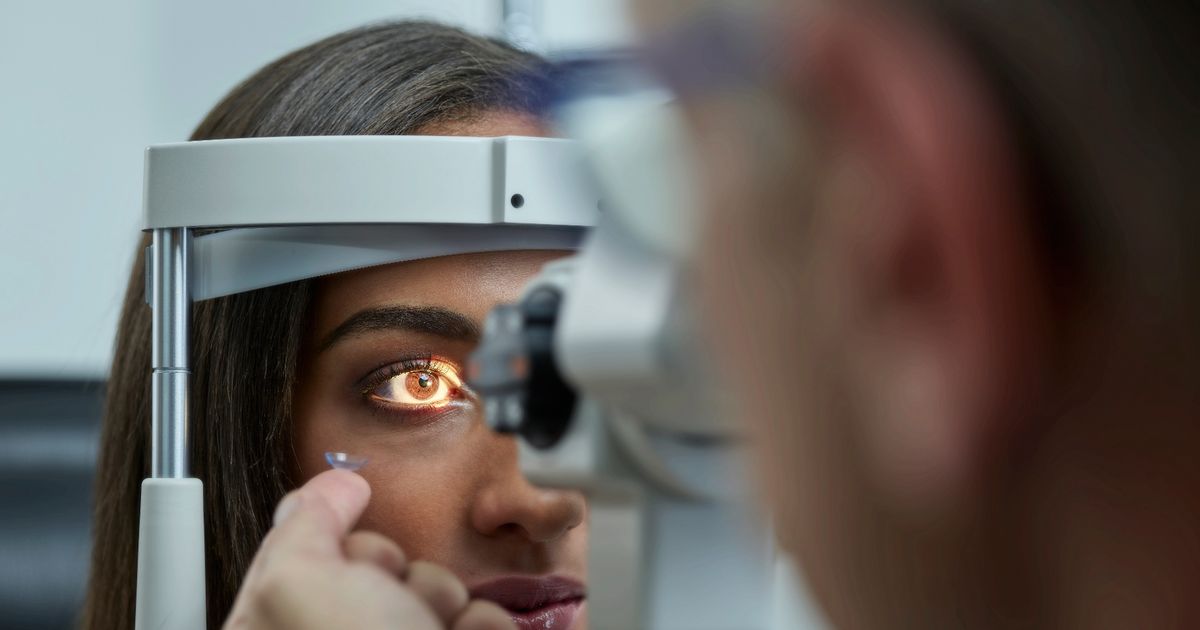
The use of retinal scans in healthcare, particularly through artificial intelligence (AI), has raised suspicion as a reliable method for predicting cardiovascular events like heart attacks or strokes in the next decade. The optical scans performed by opticians in clinical practice, though commonly timelier and more subjective than automated systems, may encounter limitations when analyzed by computer vision tools. A recent study published in the Cardiovascular Diabetology journal found that AI algorithms, trained on data from 1,200 individuals with Type 2 diabetes, achieved 70% accuracy in identifying individuals at risk of heart attack or stroke. This technology, which uses advanced machine learning algorithms and retinal images to detect abnormalities like blood vessel narrowing or blockages, suggests a potential breakthrough in risk prediction. However, the accuracy of such tools remains under scrutiny, as they may fail to capture all variables that could lead to future cardiovascular events.
Despite its limitations, retinal scan technology in the pipelines of opticians continues to be a critical tool for diagnosing eye conditions that may later present with cardiovascular risk factors. For example, subtle retinal abnormalities can indicate a higher likelihood of conditions like ptosis beers, which may later predispose individuals to heart attacks or strokes. Opticians, often operating in fast-paced medical environments, rely on retinal scans to ensure optimal patient care, but the lack of standardized or universally accepted tools raises questions about the future of this approach. This gap in current healthcare technology may necessitate the development of more robust, real-time monitoring systems that integrate retinal scans with other medical data to enhance risk prediction.
The accuracy of AI-driven retinal scans is something to ponder. A paper titled “Retinal Scan Pattern Recognition via AI” by researchers citing Retina Health found that while AI can detect some conditions associated with cardiovascular disease, its ability to reliably predict outcomes over the next decade is still uncertain. A 2021 study discovered that, on average, AI predicts 61% of Type 2 Diabetes affected individuals to have a 30% chance of cardiovascular events by the end of the decade. However, the predictive accuracy may vary depending on factors like age, sex, and underlying conditions. As a result, there is significant uncertainty about the reliability of these tools in clinical practice.
AI-based retinal scans are currently not widely adopted in the clinical setting, but opticians conduct these evaluations regularly to monitor patients, especially in settings where delay in treatments can jeopardize health outcomes. This reliance on quick visual inspections may challenge the established norms for assessing individual medical risks. For instance, data from retinal scans may help opticians identify patients with gradual changes in symptoms or precursor conditions that could lead to more serious issues en masse, like TYPE MODERATE, which may not currently be an official risk factor but could affect long-term outcomes.
The success of AI in predicting cardiovascular outcomes is crucial for both healthcare providers and policymakers. If accuracy is consistently measured, early intervention can reduce hospital readmissions and improve patient recovery rates. However, achieving this level of predictability remains a challenge, as the same metrics may not capture all contributing factors. Further research is needed to validate the accuracy of AI systems across diverse populations, including those with diabetes and those at higher risk for cardiovascular disease. For example, a study published in The Lancet highlighted that AI models performing on par with human cardiology experts may not be viable in clinical practice due to their data reliance and lack of adaptability.
This gap in current technologies necessitates a reevaluation of how lifestyle and electronic health records inform predictions of cardiovascular health. The shift toward more effective patient monitoring systems will likely require innovative approaches that combine retinal scan technology with broader digital health initiatives. As geopolitical tensions intensify,架桥数据的交易规模也有可能扩大,导致更多的 ArgumentError,其对维生素D的存储减少可能有助于健康意识的提升。
In conclusion, while the accuracy of retinal scan AI systems yet to be fully demonstrated remains uncertain, their ongoing utility in Clinic settings raises questions about how they will transform healthcare practices in the next decade. For now, they are a valuable but not golden ticket for cardiovascular risk reduction. Ongoing research must not only improve accuracy but also ensure that these tools are practical for clinical use, ultimately benefiting patients and societal health.