


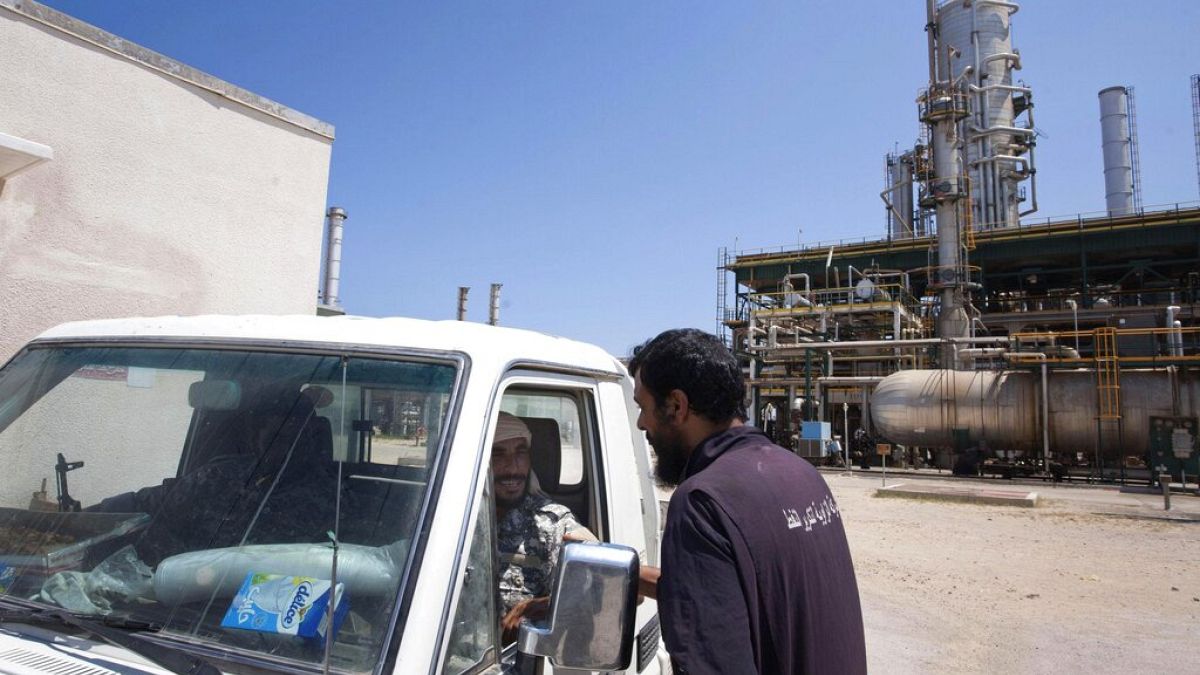
The eruption of violence in the Libyan coastal city of Zawiya, situated approximately 47 kilometers west of the capital Tripoli, underscores the persistent instability and fragility that continue to plague the nation. The clashes, involving gunmen loyal to the Shurafaa ethnic group and forces aligned with the controversial warlord Mohamed Kushlaf, a figure sanctioned by the UN Security Council for alleged human trafficking, highlight the complex web of armed groups vying for power and influence in the region. The fighting, which trapped residents in their homes and ignited fires at Libya’s second-largest oil refinery, disrupted daily life and further jeopardized the nation’s already precarious economic and political landscape. The incident serves as a stark reminder of the challenges Libya faces in consolidating its fractured governance and establishing lasting peace and security.
The immediate cause of the clashes remains unclear, but the incident reflects the broader pattern of unrest and conflict that characterizes western Libya, a region dominated by a multitude of armed groups and militias operating outside of government control. Many of these groups are nominally aligned with the Tripoli-based government of Prime Minister Abdul Hamid Dbeibah, but their loyalties are often fluid and can shift depending on local power dynamics and economic interests. This fragmentation of authority creates an environment ripe for conflict, as rival groups compete for resources, territory, and political leverage. The absence of a strong central authority capable of enforcing the rule of law and disarming these militias perpetuates a cycle of violence and instability, undermining efforts to rebuild the nation and establish a functioning state.
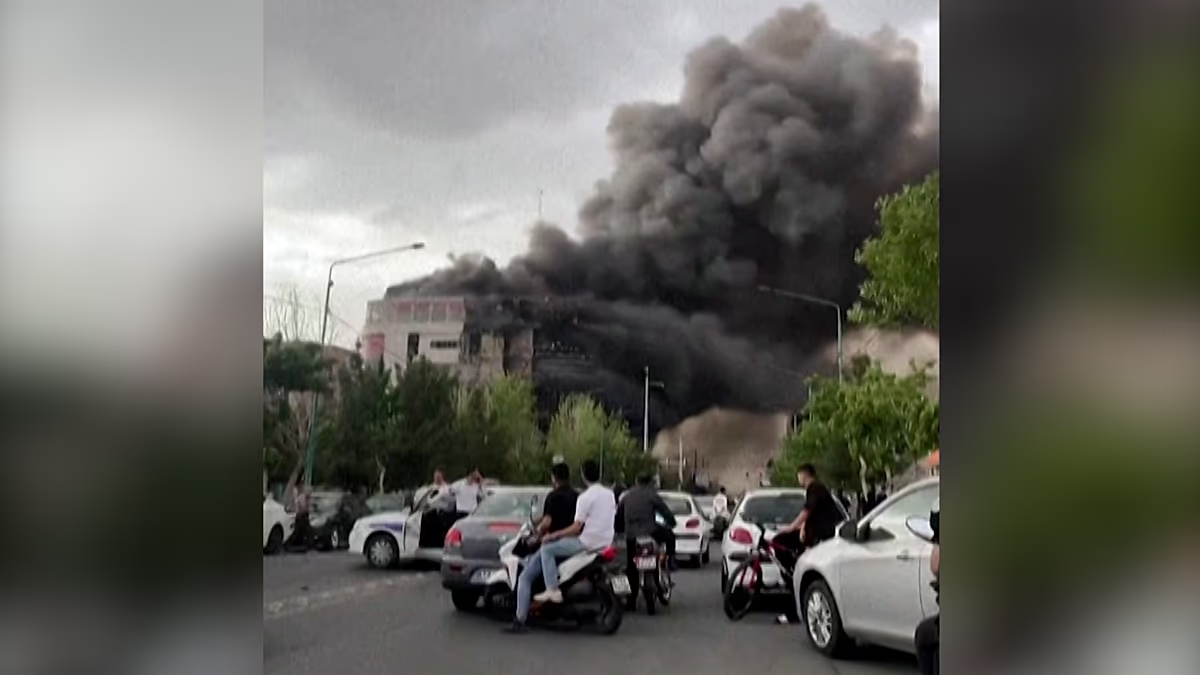
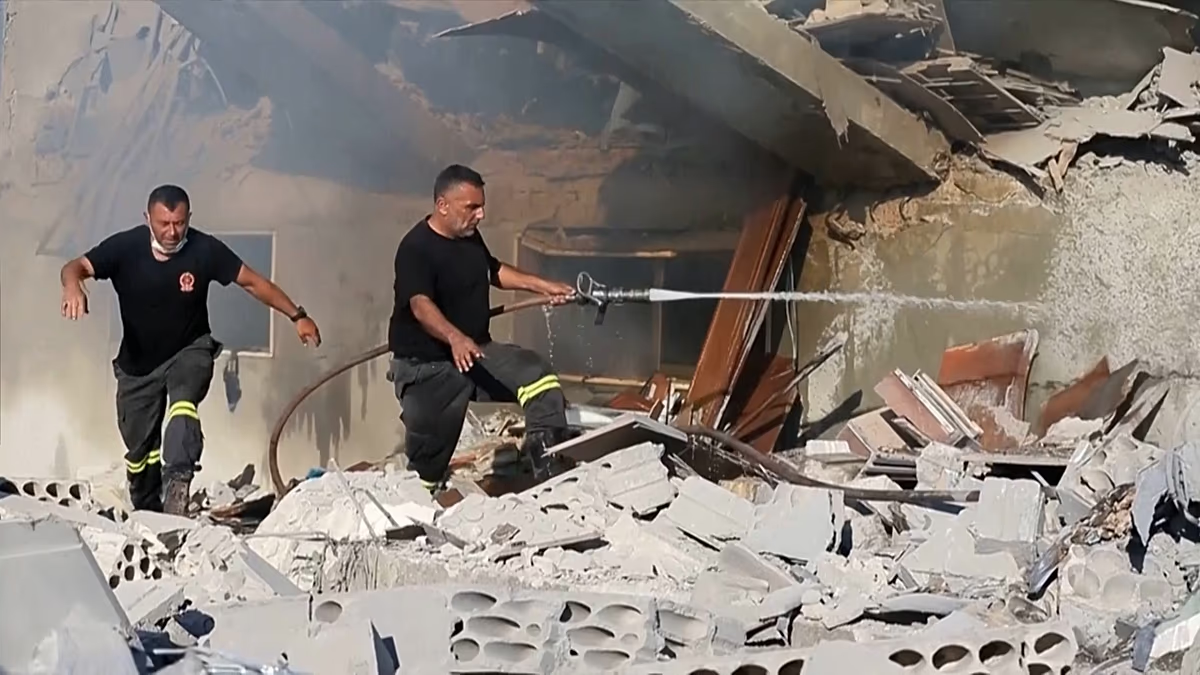
The fighting in Zawiya had significant humanitarian and economic consequences. Residents were forced to shelter in their homes as bullets flew indiscriminately, hitting houses and buildings. The clashes ignited fires at the Zawiya oil refinery, a critical component of Libya’s oil-dependent economy. The fires caused damage to storage tanks, leading to gas leaks and raising concerns about a potential environmental disaster. The Libyan National Oil Corp. declared a state of emergency and force majeure, a legal measure that temporarily suspends contractual obligations due to extraordinary circumstances, highlighting the severity of the disruption to oil production and exports. The damage to the refinery further exacerbates Libya’s economic woes, as oil revenues constitute a crucial source of income for the nation.
The clashes in Zawiya underscore the broader challenges facing Libya, a nation grappling with the legacy of the 2011 uprising that toppled and killed long-time dictator Muammar Gaddafi. The subsequent civil war fragmented the country, creating a power vacuum that allowed militias and armed groups to proliferate. These groups, often fueled by tribal and regional affiliations, have become deeply entrenched in the political and economic landscape, wielding significant influence and hindering efforts to establish a unified and stable government. The ongoing political division, with rival administrations in the east and west, further complicates the situation and hampers efforts to address the underlying causes of instability.
The international community has repeatedly called for a peaceful resolution to the Libyan crisis, urging all parties to engage in dialogue and pursue a political settlement. However, these efforts have been largely unsuccessful, as deep-seated mistrust and competing interests continue to impede progress. The presence of foreign actors, including mercenaries and arms suppliers, further complicates the situation and fuels the ongoing conflict. The UN has imposed sanctions on individuals and entities deemed to be contributing to the violence, but these measures have had limited impact in curbing the flow of weapons and foreign fighters into the country.
The ongoing violence and instability in Libya have significant regional implications, as the country serves as a transit point for migrants and refugees attempting to reach Europe. The proliferation of weapons and the presence of extremist groups also pose a threat to regional security. The international community faces a complex challenge in addressing the Libyan crisis, requiring a multifaceted approach that combines political dialogue, security sector reform, and economic development initiatives. A lasting solution requires a commitment from all Libyan stakeholders to work towards a unified and stable future, putting aside their differences and prioritizing the well-being of the Libyan people. The international community must continue to support these efforts, providing the necessary resources and diplomatic pressure to ensure that Libya can finally emerge from this protracted period of conflict and instability.