


Kraków, the historic heart of Poland, has officially been recognized as Europe’s premier leisure destination, a title awarded by Global Traveler magazine in its 2026 Leisure Lifestyle Awards. This accolade, determined by the votes of frequent travelers seeking that ideal balance of culture, affordability, and experience, placed the city ahead of renowned competitors like Seville, Porto, Istanbul, and Lisbon. The recognition underscores a sustained and growing fascination with Kraków, which welcomed nearly 700,000 international visitors in 2025, with significant numbers arriving from Germany, the United Kingdom, and the United States. As tourist interest shows no sign of waning, the city faces the modern challenge of balancing popularity with preservation. Local authorities have been engaged in ongoing discussions since 2017 about implementing a tourist tax, with the goal of directing funds toward maintaining public spaces, safeguarding the city’s unparalleled heritage, and mitigating the impact of tourism on the daily lives of Kraków’s residents. This award, therefore, is not just a celebration of Kraków’s appeal but a spotlight on its journey toward sustainable tourism.
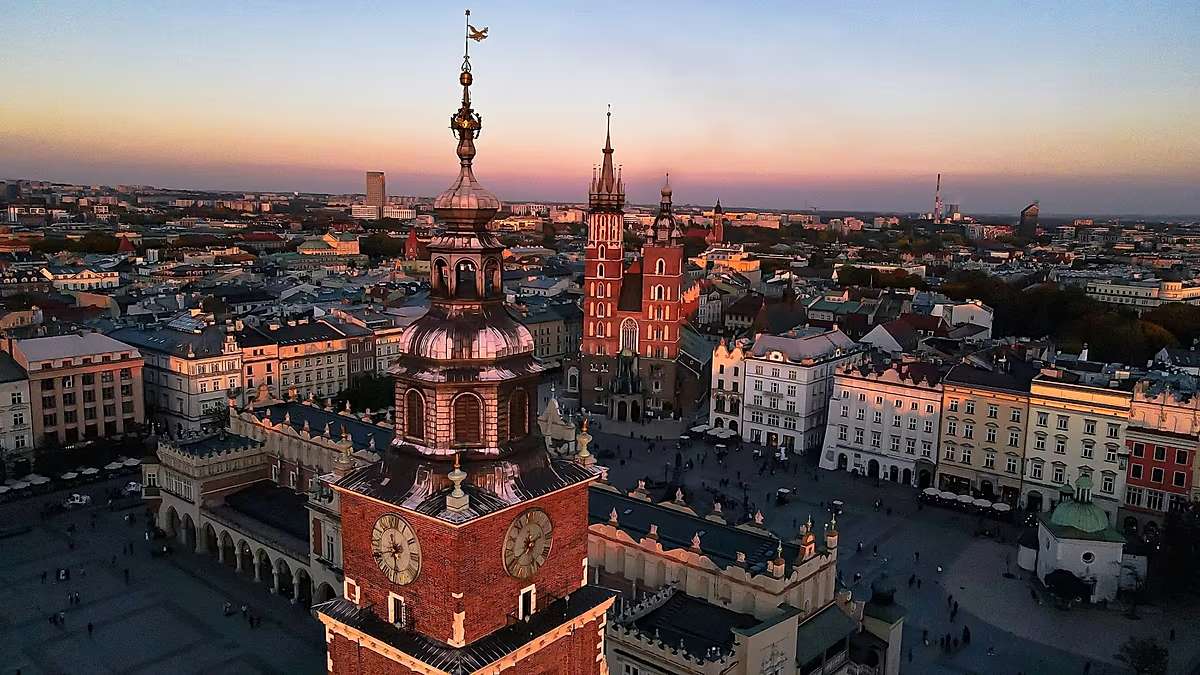
The city’s allure is deeply rooted in its tangible history and remarkable accessibility. Round-trip flights from major European hubs like Brussels can be found for as little as €67, and budget accommodations offer stays around €40 per night, positioning Kraków as one of Europe’s most affordable cultural capitals. Upon arrival, visitors step into a world frozen in time yet vibrantly alive. The Historic Centre, a UNESCO World Heritage Site since 1978, encompasses the medieval Old Town, the royal Wawel Hill complex, and the former Jewish district of Kazimierz. It is a sanctuary of Poland’s finest historic architecture. Cultured travelers can lose themselves in institutions like the Czartoryski Museum, home to Leonardo da Vinci’s exquisite “Lady with an Ermine,” or descend into the Rynek Underground Museum to walk through literal layers of history, among 13th-century market stalls and ancient graves. Above ground, the sprawling Rynek Główny, Europe’s largest medieval market square, buzzes with life, framed by the iconic Town Hall Tower and offering endless opportunities for dining, shopping, and simply soaking in the atmosphere.
Beyond its awe-inspiring core, Kraków invites exploration through a variety of leisurely paces. The city is wonderfully navigable on foot, with serene green spaces like the historic Decius Park, famed for its floral displays and ancient hornbeam trees. For a different perspective, dedicated cycling routes such as the Vistula Cycling Route allow visitors to glide alongside the river, experiencing the city’s rhythm at a calm tempo. The urban landscape also caters to more energetic pursuits, with numerous go-karting centres, indoor and outdoor ice skating rinks, and even a “little Lake District” at Przylasek Rusiecki offering free summer bathing spots. For those seeking adventurous leisure, venues like GOjump provide a playground for parkour, simulated snowboarding, wakeboarding, and even aerial yoga, alongside more traditional options like bowling, paintball, and rock climbing. Kraków effortlessly blends quiet contemplation with dynamic activity.
The city’s greatest gift might be its seamless connection to the natural world. Just a short bus or taxi ride—approximately 45 minutes—from the Gothic spires and cobbled streets lies the enchanting Ojcowski National Park. Here, rolling green forests are dramatically punctuated by Jurassic limestone karsts, creating a landscape of castle ruins and Neolithic caves accessible via well-marked trails. This park offers a profound, calming escape for hiking and biking, with quaint cafes nestled along the routes for refueling. Furthermore, Kraków serves as a gateway to Poland’s majestic highlands; a two-hour journey leads to Zakopane, a beloved mountain town nestled in the Tatra Mountains. Here, visitors can immerse themselves in even more scenic trails, deep pine forests, and glacial lakes, making Kraków an ideal base for travelers whose perfect leisure balance includes both urban sophistication and pristine natural retreats.
After saving on travel and accommodation, visitors can delight in directing their budget toward Kraków’s diverse and rewarding culinary scene. The city offers everything from humble, wallet-friendly street food to acclaimed fine dining. A must-try local staple is the zapiekanka, Poland’s beloved answer to pizza—an open-faced half baguette toasted with a myriad of toppings, a satisfying and inexpensive feast. For those wishing to splurge, Kraków’s gastronomic landscape has earned significant recognition. The Michelin Guide recommends 22 establishments in and around the city, including restaurants like Filipa 18, which presents a modern, elegant reinterpretation of classic Polish cuisine. This range ensures that every meal can be an adventure, from a quick bite in Kazimierz to a multi-course culinary celebration.
In conclusion, Kraków’s designation as Europe’s best leisure destination is a testament to its profound and multifaceted appeal. It is a city where a thousand years of history are not merely displayed but are felt in the texture of its streets and the grandeur of its squares. It champions affordability without compromising on the depth of experience, offering world-class art, haunting historical journeys, and vibrant contemporary life. It understands leisure in all its forms—from peaceful museum strolls and park picnics to adrenaline-fueled activities and profound natural escapes just beyond its borders. It caters to every palate, from the simple to the sublime. Ultimately, Kraków represents a rare and perfect balance: a living museum that is also a dynamic, modern city, an affordable getaway that feels richly rewarding, and a historic anchor that opens the door to Poland’s stunning landscapes. This award confirms that Kraków is not just a destination to visit, but a world to experience and a feeling to be remembered.