



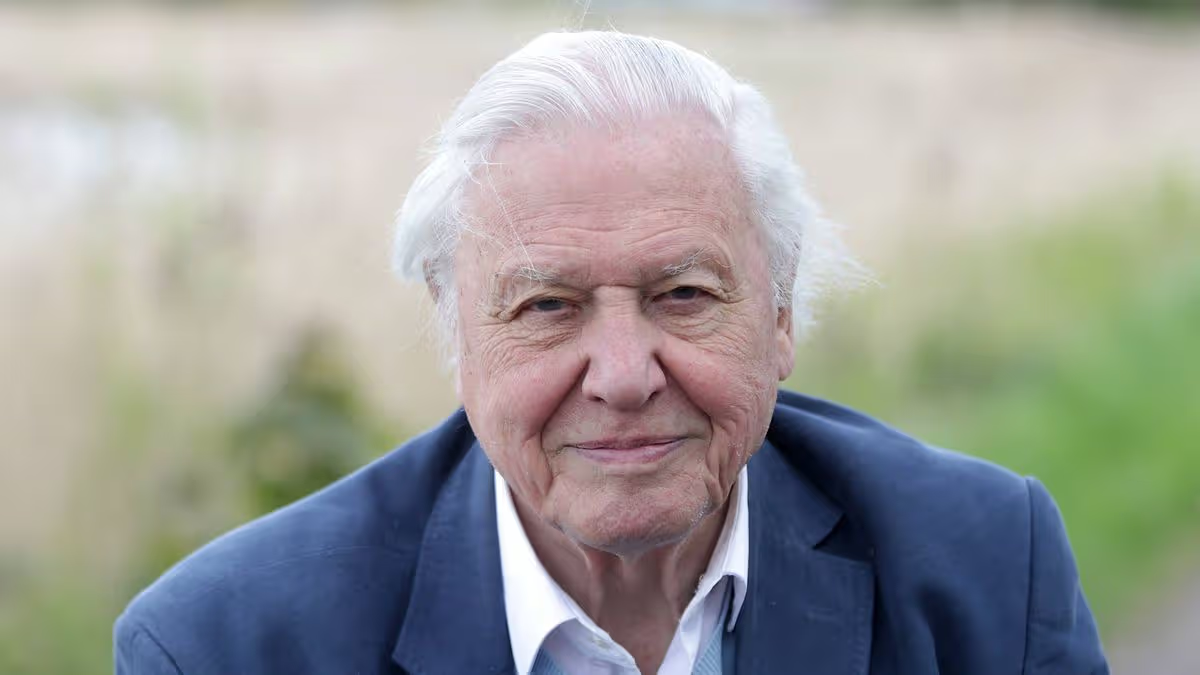
Few figures in modern life command the universal respect and affection bestowed upon Sir David Attenborough. This week, as he celebrates his monumental 100th birthday, the world not only honors a broadcasting legend but also marvels at his vitality. Reaching a century is a rare feat, and inevitably, people are curious about the secrets behind his longevity. While genetics and good fortune undoubtedly play a role, Sir David has quietly adopted a dietary shift that many experts believe is a cornerstone of a longer, healthier life: he has significantly reduced his consumption of red meat.
The broadcaster’s approach is not one of dramatic fads or strict prohibitions, but rather a sensible, gradual evolution. In his own words, he hasn’t eaten red meat “for months,” clarifying that while he hasn’t embraced full vegetarianism, he has “become much more vegetarian” than he ever anticipated. His diet still includes fish and cheese, reflecting a flexible, Mediterranean-style pattern focused on reduction rather than rigid elimination. This nuanced change aligns perfectly with the man himself—informed, deliberate, and free from dogma. It’s a sustainable lifestyle tweak, not a fleeting diet, emphasizing the power of consistent, modest choices over time.
This choice finds strong support in medical science. Public health bodies like the UK’s NHS have long advised limiting red and processed meat, primarily due to established links with an increased risk of bowel cancer. Beyond cancer, research from institutions like Harvard Health suggests that replacing even one daily serving of red meat with plant-based proteins, whole grains, or fish can lower mortality risk significantly. The reasons are multifaceted: red meat often contains high levels of saturated fats, which can raise cholesterol and contribute to cardiovascular disease. By reducing it, one naturally makes room for foods that are foundational to a healthier plate.
What fills that space is equally important. A diet that pivots away from heavy meat consumption tends to become richer in fruits, vegetables, legumes, and whole grains. These foods are typically higher in dietary fiber, which aids digestion, supports a healthy gut microbiome, and helps with weight management. They are also packed with essential vitamins, minerals, and antioxidants that combat inflammation and cellular damage. Sir David’s dietary shift, therefore, isn’t just about removing a potential risk; it’s about embracing a broader spectrum of nutrients that collectively nourish the body and fortify it against age-related decline.
Yet, for all his outward vigor and the disciplined simplicity of his diet, Sir David has shared candid, deeply human concerns about the aging process. In recent interviews, he has expressed a fear not of death, but of a loss of autonomy and mental clarity, worrying about becoming “helpless” through conditions like Alzheimer’s. This vulnerability reminds us that longevity is not merely a physical puzzle but an emotional and psychological one. His dietary choices can be seen as one aspect of a conscious stewardship of his health, an effort to preserve not just life, but a life of engagement and purpose for as long as possible.
Indeed, purpose continues to define him. Remarkably, Sir David remains actively at work, his iconic voice still guiding audiences through the natural world in documentaries scheduled for release into 2026. His 100th birthday is being celebrated not as a quiet retreat, but with a week-long tribute across the BBC, honoring an unparalleled legacy. His dietary habit of reducing red meat is a quiet, personal thread in the rich tapestry of his life—a practical, evidence-based strategy supporting a body that must carry a tireless mind and spirit. In the end, Sir David Attenborough’s approach to longevity teaches a gentle lesson: a long life is best built not on drastic measures, but on mindful, sustainable choices that care for the extraordinary vessel that carries us through our one precious life.