



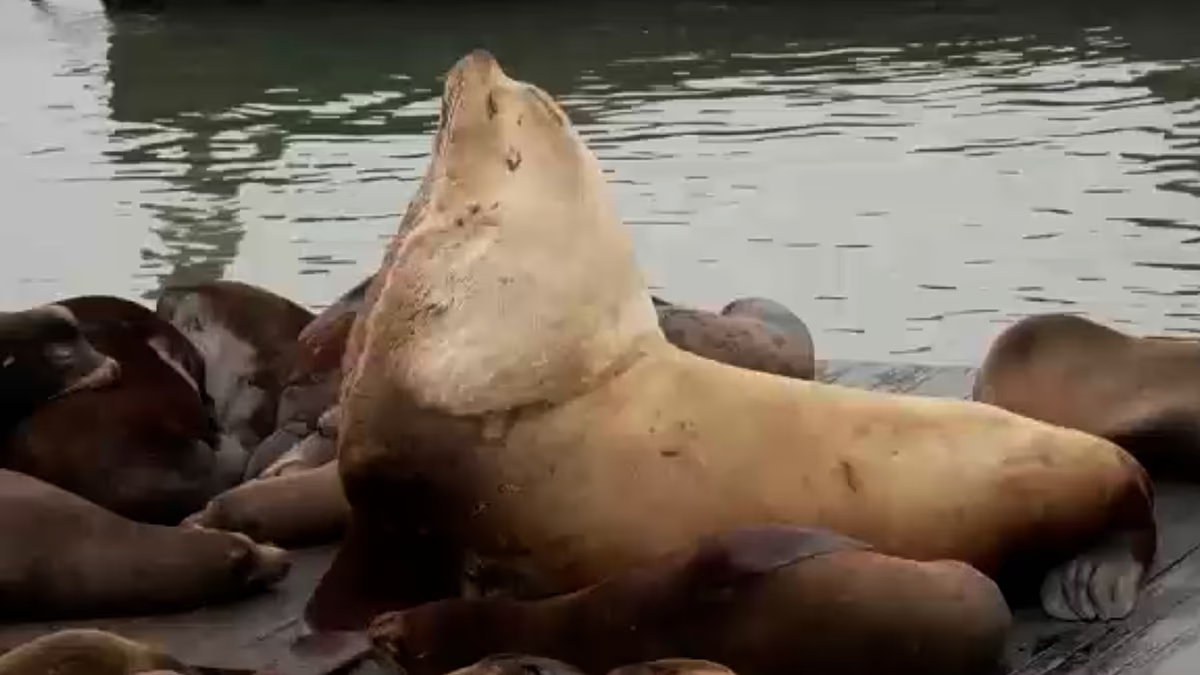
The bustling waterfront of San Francisco’s Pier 39, long famed for its boisterous colony of California sea lions, became the stage for a remarkable natural spectacle this week. Crowds gathered, cameras in hand, to witness a distinguished visitor among the usual residents: a massive Steller sea lion, affectionately dubbed “Chonkers” by onlookers. This colossal marine mammal was seen resting peacefully on the docks, its immense size creating a striking contrast with the smaller, more agile California sea lions surrounding it. The scene was one of serene imposition, as the giant creature lounged in the sun, embodying a calm, almost regal presence amidst the familiar barks and constant motion of the pier.
The arrival of “Chonkers” offered a vivid, real-world lesson in marine biology. Marine experts confirmed the animal is a Steller sea lion, the largest species of sea lion in the world. An adult male, like this visitor, can stretch over ten feet in length and weigh well over a ton—more than twice the size of a full-grown California sea lion. Observing this gentle giant occasionally heave itself through the crowded dock before sliding gracefully into the bay allowed the public to appreciate the sheer scale and power of a species that typically inhabits more remote, northern realms. Its very presence turned the pier into an impromptu classroom, highlighting the incredible diversity within the sea lion family.
The behavior of this solitary giant provided a fascinating glimpse into its life journey. Officials from marine conservation groups believe “Chonkers” is likely on a migratory stopover, pausing in San Francisco Bay to feed and rest. The nutrient-rich waters of the bay offer a productive foraging ground, allowing the sea lion to replenish its energy reserves. This rest period is crucial before it continues its journey back to the colder, rugged breeding grounds in the northern Pacific, near Alaska and the Aleutian Islands. Its brief residency reminds us that urban coastlines are often part of much wider, wilder migratory highways for marine life.
For the delighted visitors, the encounter was more than just a photo opportunity; it was a moment of genuine connection with the untamed ocean. People stopped in their tracks, sharing the sight with children and strangers alike, their conversations filled with awe and curiosity. The spontaneous nickname “Chonkers” itself reflects a blend of affectionate humor and respect, a human impulse to personalize a wild encounter. This shared experience underscores how urban wildlife sightings can foster a collective sense of wonder and a deeper public appreciation for the natural world, even in the heart of a major city.
From an ecological perspective, the appearance of a healthy Steller sea lion in the bay is an encouraging sign. Steller populations, particularly the western stock, have faced significant challenges in recent decades. Seeing an individual thriving enough to undertake such long migrations suggests positive conditions in local waters and reflects broader conservation successes. However, its presence also serves as a silent reminder of the fragility of marine ecosystems and the ongoing need to protect migratory corridors and healthy habitats from pollution, climate change, and human encroachment.
As quickly as it arrived, “Chonkers” will eventually answer the call of the northern seas, diving back into the deep and leaving the crowded pier behind. Yet, the memory of its visit lingers. It transformed an ordinary tourist destination into a portal to the vast Pacific wilderness, proving that nature still holds the power to surprise and inspire. For those who witnessed it, the image of the colossal sea lion basking among its smaller cousins will endure as a testament to the enduring majesty of marine life and the unexpected moments of wild grace that can appear, quite literally, on our doorstep.