



Of course. Here is a humanized summary of the content, expanded to capture the emotional weight of the moment.
It was more than a game; it was the end of a shared, generational ache. On Saturday night, when the final buzzer echoed through Madison Square Garden, sealing a 94-90 victory over the San Antonio Spurs, it didn’t just signal a championship. It released a city from a 53-year holding pattern. For the first time since 1973, the New York Knicks were NBA champions, and across the five boroughs, a collective exhalation of pure joy erupted into the cool night air. This wasn’t just a win; it was a homecoming for a title that had felt, for decades, perpetually just out of reach.
The victory itself was a testament to the team’s gritty identity, a comeback that will be etched into franchise lore. Facing a daunting 16-point deficit in the decisive Game 5 of the Finals, the Knicks didn’t merely chip away; they launched a relentless assault of heart and hustle, embodying the resilience of the city they represent. This final push capped a dominant postseason run, a journey that saw them battle through adversity to finally grasp the franchise’s third championship banner. The climb back in that final game was a perfect metaphor—a slow, painful, and then exhilarating ascent from the depths of doubt to the summit of glory.
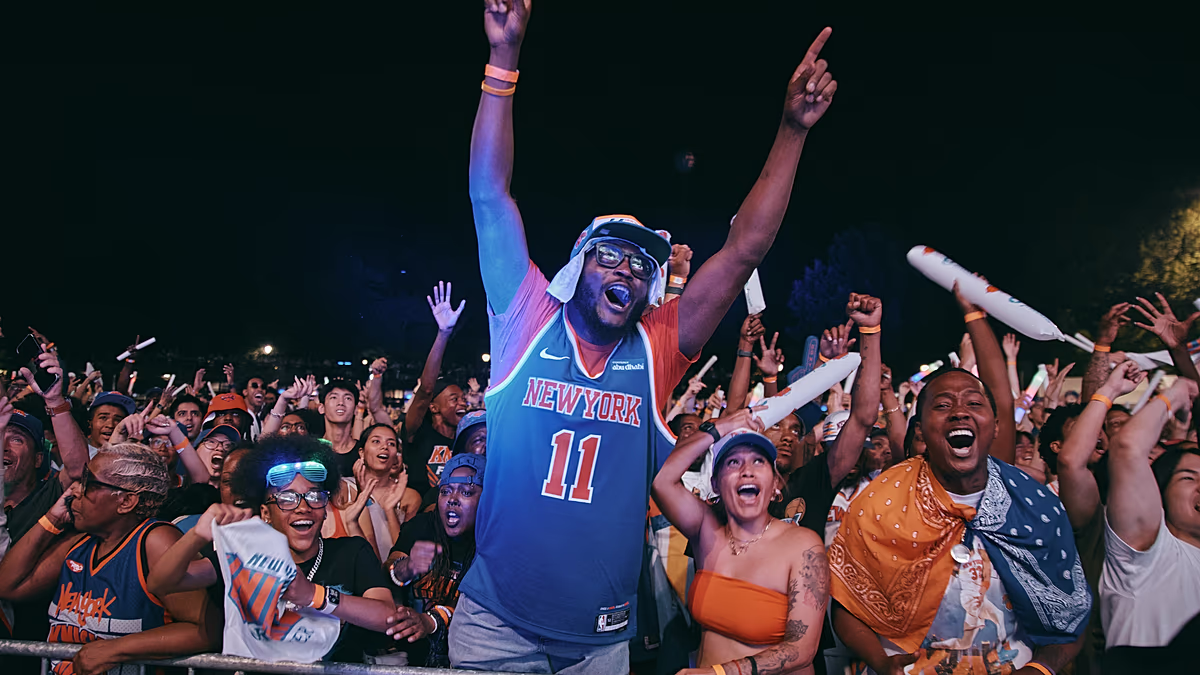
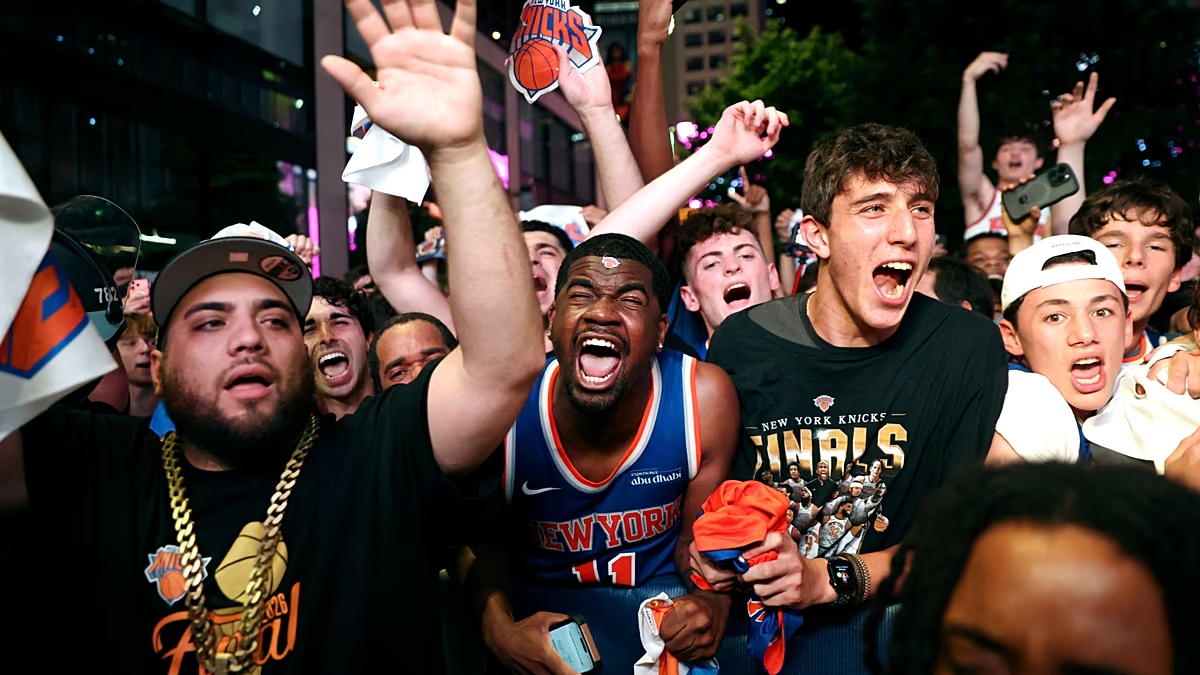
As the final seconds ticked away, the energy that had been brewing at watch parties and packed bars across the city could no longer be contained. It spilled out of doorways and into the streets, converging into a river of blue and orange. Outside the hallowed arena of Madison Square Garden, the epicenter of this basketball faith, supporters gathered by the thousands. They weren’t just fans; they were witnesses to history, their cheers not just noise, but the sound of a promise finally kept. Honking car horns provided a chaotic symphony, while strangers, bound only by their allegiance, embraced as if family, their smiles illuminated by the sudden burst of fireworks that crackled against the Manhattan skyline.
For those who have loyally followed the team, this triumph transcended the sport. It was a historic moment that connected eras—the elderly fan who remembered the glory of Willis Reed and Clyde Frazier could now share a story with a younger generation that had only known near-misses and heartbreak. The championship became a unifying thread, weaving together New Yorkers from all walks of life. In a city often defined by its relentless pace and occasional cynicism, this was a rare, unguarded moment of pure, communal celebration. It was about more than basketball; it was a shared victory for every person who had kept the faith, who had worn the colors through long, losing seasons, believing that one day, this day, would come.
The scenes of jubilation—the waving flags, the posed photos with beaming faces, the spontaneous chants of “Go New York, Go!”—were not just about an athletic achievement. They were the physical manifestation of patience rewarded. Decades of waiting, of hoping against hope, were washed away in a single, glorious night. Each hug between strangers was a silent acknowledgment of a shared journey; every car horn a blast of collective pride. The city itself seemed to pulse with a renewed energy, its famous skyline providing the backdrop for a celebration that felt both cathartic and long overdue.
In the end, the New York Knicks did more than win a trophy. They delivered a memory that will be passed down like a cherished heirloom. They gave a father a story to tell his child about the night the city stood still to celebrate. They provided a defining moment of joy for a metropolis that wears its heart on its sleeve. The 53-year wait was over, and in its place was a profound sense of fulfillment. The championship had finally come home, and for one unforgettable night, New York was united not by its divisions, but by its dreams, finally, gloriously, realized.