

A World on Edge: The White House Correspondents’ Dinner Shooting
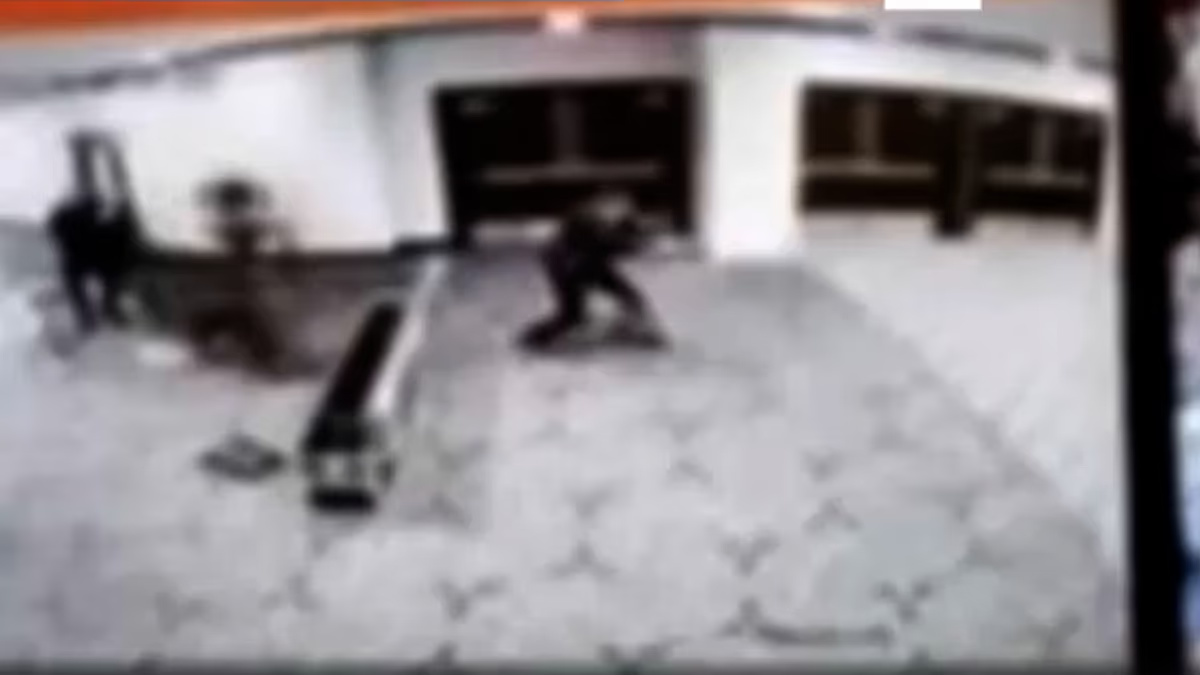
The social media landscape was shattered on the morning of April 26th, 2026, not by the usual political discourse, but by a jarring and deeply unsettling video. Posted directly to his account by former President Donald Trump, the grainy security footage offered a chilling, first-person perspective of chaos in the making. It showed a lone figure, later identified as the suspect, moving with alarming purpose through what appeared to be secure perimeters, their trajectory unmistakably aimed at the venue of the annual White House Correspondents’ Dinner. In an instant, the clip—devoid of context or official commentary—transformed digital platforms into arenas of panic, speculation, and dread, bypassing all traditional channels of information to deliver a raw glimpse of an unfolding national security crisis.
Within minutes of the video’s viral spread, the abstract fear it generated became terrifyingly real. Inside the Washington Hilton’s grand ballroom, where the nation’s media, political leaders, and celebrities had gathered for the storied event, the mood shifted from one of levity and roast speeches to one of primal confusion. The sound was what many attendees would later recall first: sharp, percussive cracks that were unmistakably gunfire emanating from somewhere just outside the building’s walls. There was no immediate panic, but a stunned, collective intake of breath before the professional instincts of the Secret Service agents present took over. Voices, calm but fiercely authoritative, cut through the murmur, issuing directives to evacuate. The scene transitioned from a glittering gala to a meticulously controlled exodus, as hundreds of guests were swiftly and urgently guided to safety.
The immediate aftermath was a vacuum of official information, filled by the roaring chaos of the digital age. News networks scrambled to confirm details, their screens split between aerial shots of the cordoned-off hotel and analysts grappling with the significance of the former president’s unprecedented post. On social media, the footage looped endlessly, dissected frame-by-frame by armchair investigators, while wild theories and unverified claims proliferated alongside genuine concern. The attack struck at the heart of two pillars of American life: the free press, symbolized by the dinner, and the political establishment. It felt like a physical assault on the very theater of democracy, leaving a nation accustomed to political division suddenly unified in shock and anxiety, awaiting answers that were slow in coming.
As the hours passed, a clearer, though no less disturbing, picture began to emerge from law enforcement briefings. The suspect, who was apprehended at the scene, appeared to have acted alone, their motives still under intense investigation. The swift response by the Secret Service and Metropolitan Police was credited with preventing a far greater tragedy, as the assailant was neutralized before breaching the main event space. Nevertheless, the psychological breach was total. The footage proved the individual had navigated disconcertingly close to a high-security event, exposing vulnerabilities that would inevitably trigger profound and lengthy reviews of protective protocols. The event laid bare the immense challenge of securing soft targets in an open society, especially against attackers motivated by the desire for media-centric spectacle.
Beyond the security implications, the incident ignited a fierce debate about the role of information and responsibility in a crisis. The decision by a figure of immense public influence to release alarming footage without context was criticized by many as reckless, potentially jeopardizing ongoing law enforcement operations and inciting further panic. Defenders argued it was an act of transparency, bypassing a media filter. This conflict highlighted our modern dilemma: in an era where anyone can be a broadcaster, what are the ethical boundaries of sharing potentially traumatic content during an active crisis? The episode became a case study in how raw information, devoid of the stabilizing framework of verified reporting, can deepen public trauma and complicate official response.
In the days that followed, the White House Correspondents’ Dinner, an event designed to celebrate the First Amendment through a mix of humor and fellowship, was irrevocably altered. The story was no longer about the jokes that were told, but about the gunshots that interrupted them. The nation was left to grapple with the lingering echoes of those sounds—a reminder of the persistent tensions and unexpected violence that shadow its public life. The investigation would continue, security would be overhauled, and political debates would rage, but for those present and for millions watching, the dominant sentiment was a sobering one: an acknowledgment of a fragile normalcy, where the gathering of citizens and leaders must now be underwritten by an ever-heightening vigilance, and where the memory of a peaceful evening lost would linger long after the last caution tape was removed.