



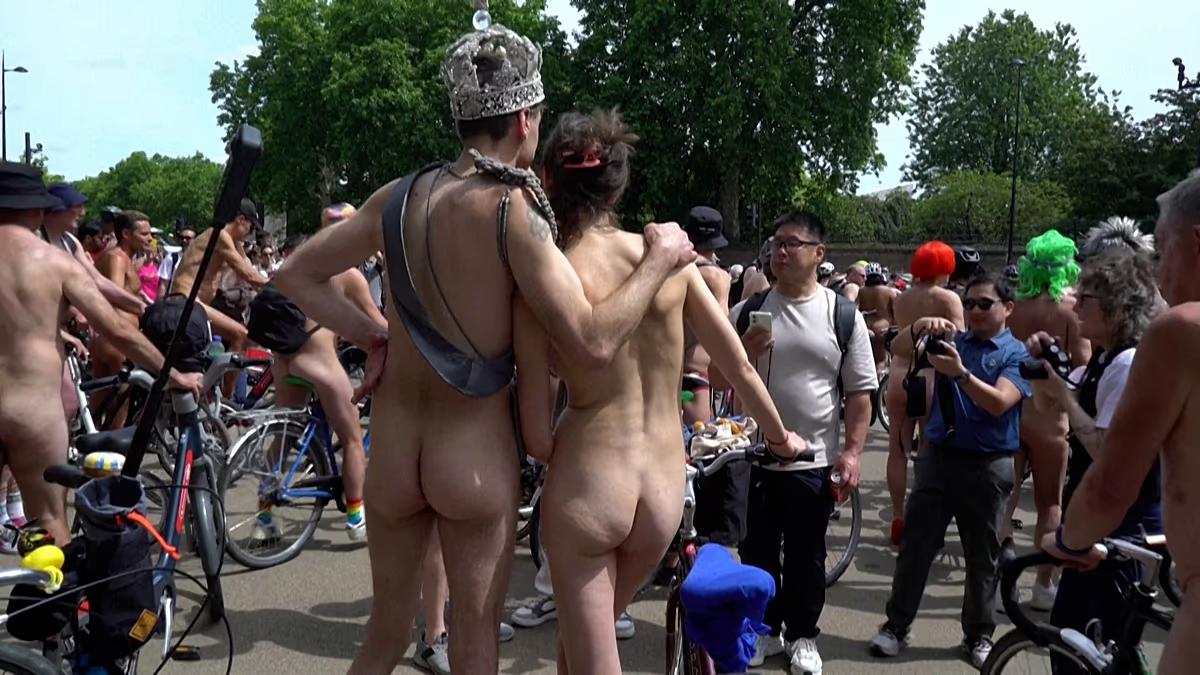
On a bright June afternoon, the familiar rhythms of London were playfully interrupted as the annual World Naked Bike Ride wove its way through the city’s heart. On June 14th, several hundred participants pedaled past iconic landmarks like the Victoria Monument and the Houses of Parliament, their unclothed forms adorned with vibrant body paint and bold slogans. This was not merely a spectacle but a moving canvas of protest and celebration, its primary aim to champion cyclist safety and environmental consciousness. The event attracted throngs of onlookers and curious tourists, creating a carnival-like atmosphere that blended earnest advocacy with a sense of liberated festivity.
At its core, the ride served as a powerful, physical reminder to motorists that cyclists are legitimate and vulnerable road users deserving of respect, space, and protection. Organisers framed the nudity as the ultimate symbol of this vulnerability; a cyclist has no metal shell for protection, only their own skin. This message was deeply personal for many participants, such as Serena, a 23-year-old rider who shared that she and her friends had endured multiple collisions with vehicles. For her, the ride was a direct plea for drivers to be more aware and cautious. The bare-bodied procession thus transformed into a poignant, collective statement about the urgent need for safer streets and a cultural shift in how we share our roads.
Yet, the protest was multifaceted, seamlessly weaving environmental activism into its fabric. Slogans painted on skin urged action to protect rainforests and break society’s dependence on fossil fuels. This connection is intrinsic to the event’s global philosophy; by choosing human-powered transport, participants embody a sustainable alternative to oil-guzzling vehicles. The World Naked Bike Ride, which occurs in cities across the globe, has evolved into a recurring platform that explicitly links the personal choice of cycling with the broader, critical issues of climate change and environmental stewardship. In London, the riders became living billboards for a cleaner, greener future.
Alongside these serious campaigns, the event radiated a joyous spirit of body freedom and self-expression. For many, the ride was a liberating celebration, a peaceful protest that reclaimed public space in a positive and inclusive manner. The atmosphere was one of unity and empowerment, where people of all ages, shapes, and backgrounds could participate without judgement. This celebratory aspect did not dilute the political message but rather strengthened it, demonstrating that advocacy can be both impactful and joyful. The body paint, costumes, and creative signage added a layer of artistic expression, turning the city into a temporary gallery of human resilience and hope.
The 2026 London ride marked a successful return for the event after the hiatus of previous years, underscoring its enduring relevance and growing appeal. It stands as a testament to a grassroots movement that uses a simple, bold act to communicate complex messages about safety, sustainability, and personal freedom. The sight of hundreds of cyclists navigating the historic streets in such a vulnerable yet defiant state continues to captivate and provoke thought, ensuring that the conversation around these vital issues remains in the public eye long after the last rider has gone home.
In essence, the World Naked Bike Ride in London is far more than a curious annual occurrence. It is a vivid convergence of protest and pageantry, where the serious causes of road safety and environmental protection are advanced through a demonstration of human vulnerability and joy. It challenges onlookers to see cyclists not as obstacles, but as people, and to envision a city where sustainable transport is safe and celebrated. As the wheels turned and the messages flashed by on sun-painted skin, the event accomplished its goal: it made people look, think, and perhaps, consider their role in creating a safer, cleaner world.