



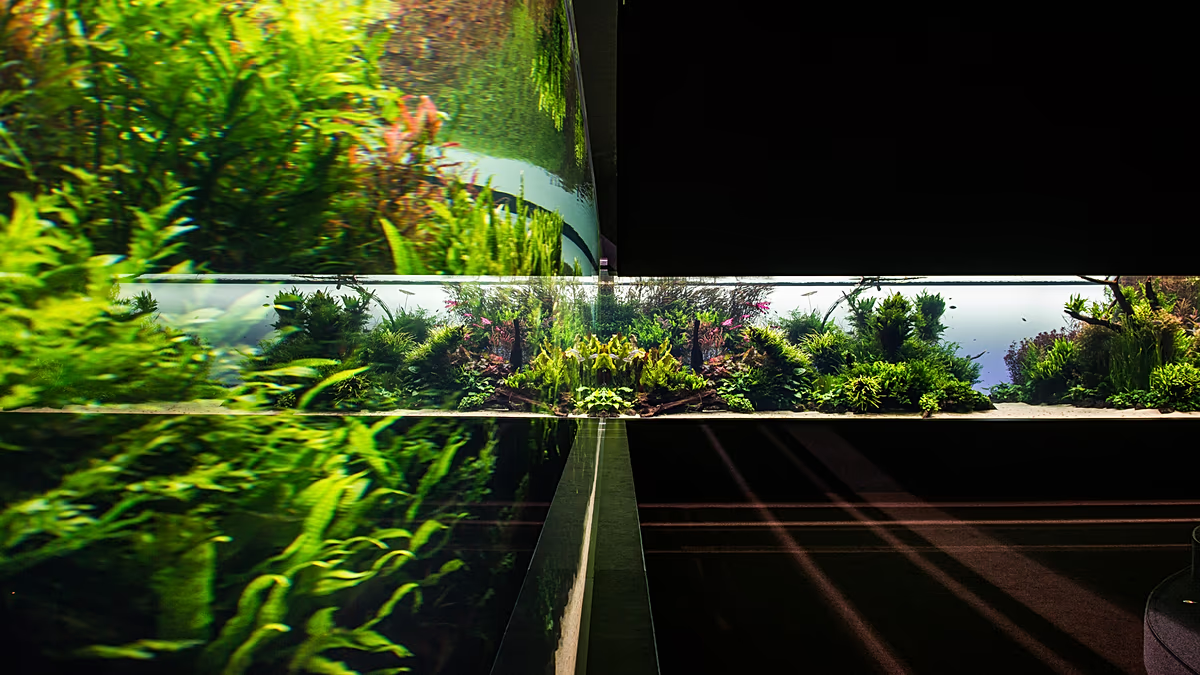
In the serene, blue-hued depths of the Lisbon Oceanarium, a diver moves with the grace of a meditant, their hands gently smoothing the fine sand of a vast aquarium floor. This is the final, meticulous act in a daily ritual of care for the “Forests Underwater” exhibition, a living masterpiece. After pruning the lush aquatic plants with light, precise cuts, the aquarist erases every trace of disturbance, ensuring the scene appears as a pristine, untouched wilderness. This 40-meter-long freshwater world, holding 160,000 litres, is not merely a tank but a canvas, originally designed over a decade ago by the visionary Japanese artist and aquascaper, Takashi Amano. Every day before visitors arrive, this underwater gardening unfolds, a silent commitment to maintaining an illusion of natural perfection.
The scale of dedication is staggering. Since the exhibition’s opening in 2015, aquarists have accumulated approximately 11,000 hours of specialized diving solely for its maintenance. “It’s almost unthinkable,” says Tiago Reis, species coordinator at the Oceanarium. He notes that no other aquarium invests such an immense amount of in-water work, a necessity born from the installation’s sheer size and complexity. To preserve Amano’s vision, the team divides the massive aquarium into zones, with three to four divers working daily on a rotating schedule. Their task is not just cleaning but sculpting—ensuring every plant and rock remains exactly as the creator intended, a testament to the painstaking effort required to sustain living art.
This aquatic landscape is the legacy of Takashi Amano, a world-renowned landscape photographer and aquascaper who pioneered the “nature aquarium” concept. This philosophy involves recreating a complete, self-sustaining ecosystem within an aquarium, where plants, fish, and microorganisms interact in harmony, inspired by Amano’s lifelong travels through forests across the globe. He passed away just four months after the exhibition opened, making this installation one of his final and most significant works. It stands as a profound statement on environmental awareness and ecosystem preservation, a three-dimensional poem dedicated to the beauty and fragility of the natural world.
Now, however, this era is drawing to a close. Designed as a temporary exhibition with an expected lifespan of three years, “Forests Underwater” has endured for an extraordinary eleven, captivating over ten million visitors. The Oceanarium team has decided to honor the natural cycle envisioned by Amano himself by closing the exhibit. Reis explains that extending it further would risk transgressing the artist’s original vision, as the living system inevitably changes over time. Embracing the Japanese philosophy of wabi-sabi—which finds beauty in impermanence and accepts that nothing is eternal—the institution acknowledges that an end was always part of the plan. Amano himself stated the aquarium would conclude, and its closure is accepted as the natural culmination of its lifecycle.
The conclusion of the exhibition does not signify an end for its inhabitants. The aquarium is a thriving community, home to around 40 species of tropical fish, 46 types of aquatic plants, and over 10,000 living organisms, all supported by 12 tonnes of sand, 25 tonnes of volcanic rock, and 78 tree trunks. These creatures will be carefully transferred to other qualified institutions that meet the Oceanarium’s strict animal welfare standards. The tank will remain operational until every organism has a dedicated new home, ensuring the well-being of the life that animated Amano’s vision. This thoughtful transition reflects the deep respect for nature that underpinned the exhibition from its inception.
Although the iconic “Forests Underwater” will cease to be on public display after June 30th, its final moments offer unique opportunities for connection. The Oceanarium provides behind-the-scenes tours where visitors, guided by a marine educator, can learn about the daily care, specialized tools, and unparalleled dedication required to maintain this global marvel. On select days, one can even witness the aquatic pruning live—a final chance to see the art of underwater gardening in action. As the sand is smoothed for the last time, the exhibition leaves behind a powerful legacy: a reminder of the tranquility and complexity of nature, the dedication of those who tend it, and the poignant beauty found in both creation and respectful conclusion.