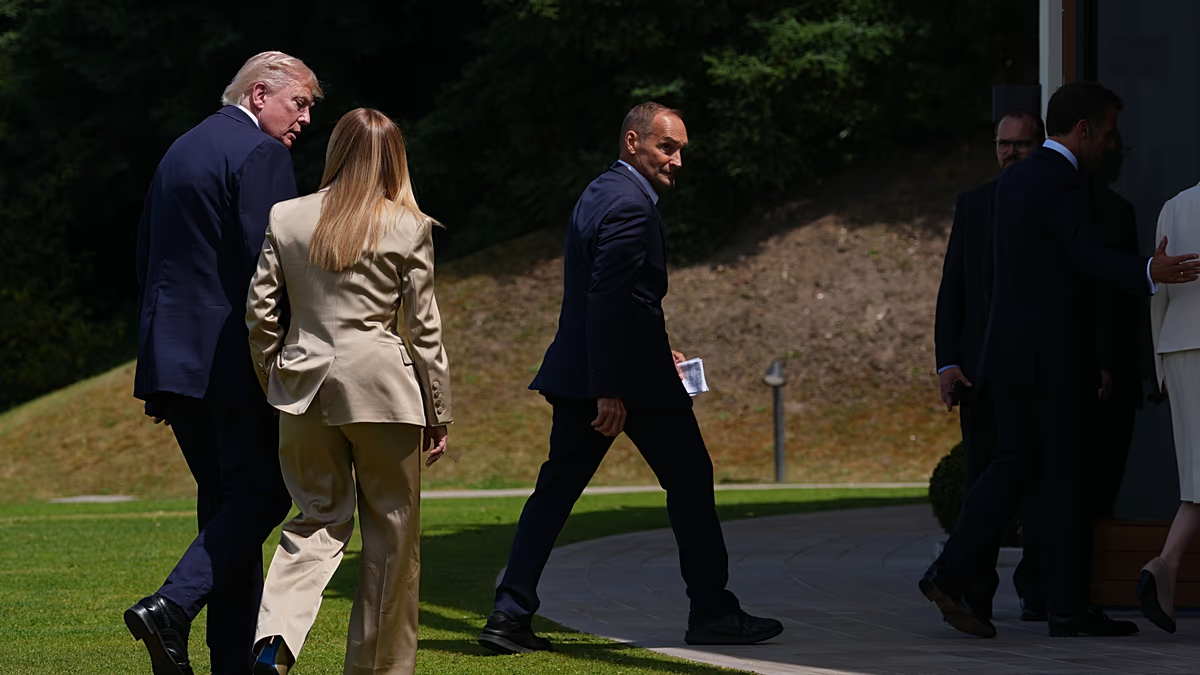


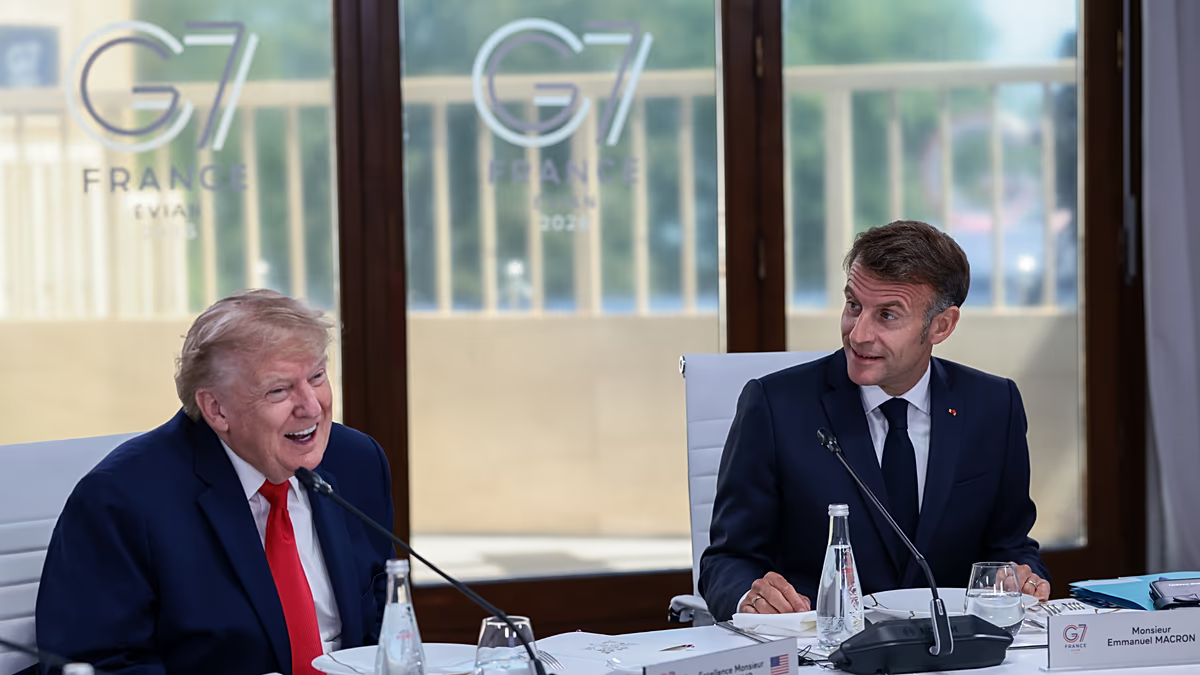
The G7 summit in Évian concluded not with the anticipated discord, but with a palpable sense of relief and even accomplishment. French President Emmanuel Macron, beaming on stage, declared the gathering an “objectively successful” one, a stark contrast to the anxiety that had preceded it. For weeks, diplomats had nervously speculated whether U.S. President Donald Trump might skip the event or repeat the disruptive departures of summits past, like the one in Canada where he left early amidst Middle East tensions and a fractured group statement. This time, against the odds, the leaders emerged united, endorsing a joint declaration. For Macron, this represented a profound “turning point,” a sign that the erratic transatlantic tensions of recent months had given way, at least for these three days, to a renewed and functional alliance.
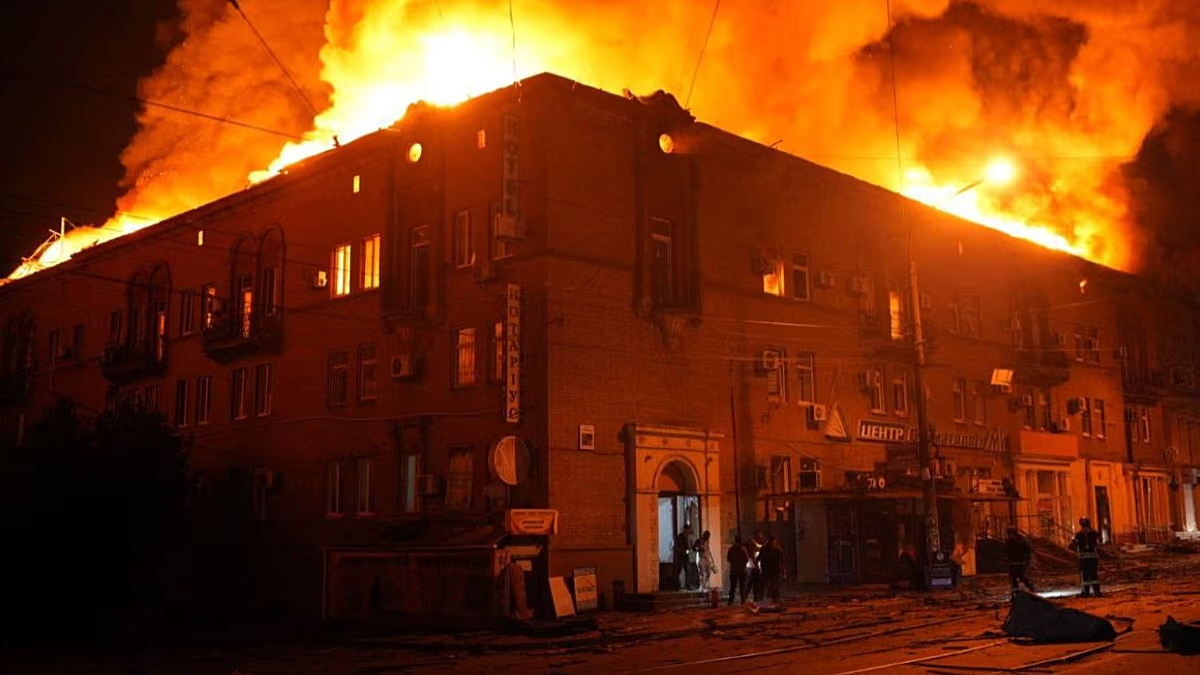
The cornerstone of this unity was a robust, shared stance on Ukraine. In the early hours of Wednesday, the G7 leaders issued a powerful, unanimous pledge of “unwavering support” for Ukraine’s sovereignty and territorial integrity. Crucially, they committed to tougher sanctions on Russian energy, a key European demand that had previously faced U.S. reluctance. This move was hailed by sources as a “real moment of convergence” between Washington and its European allies. For the Europeans, who had watched with concern as Trump pursued direct outreach to Vladimir Putin, this outcome secured their vital place at the table. It validated their delicate, dual-track strategy of staying closely engaged with Washington while independently bolstering Ukraine with their own military, financial, and diplomatic support.
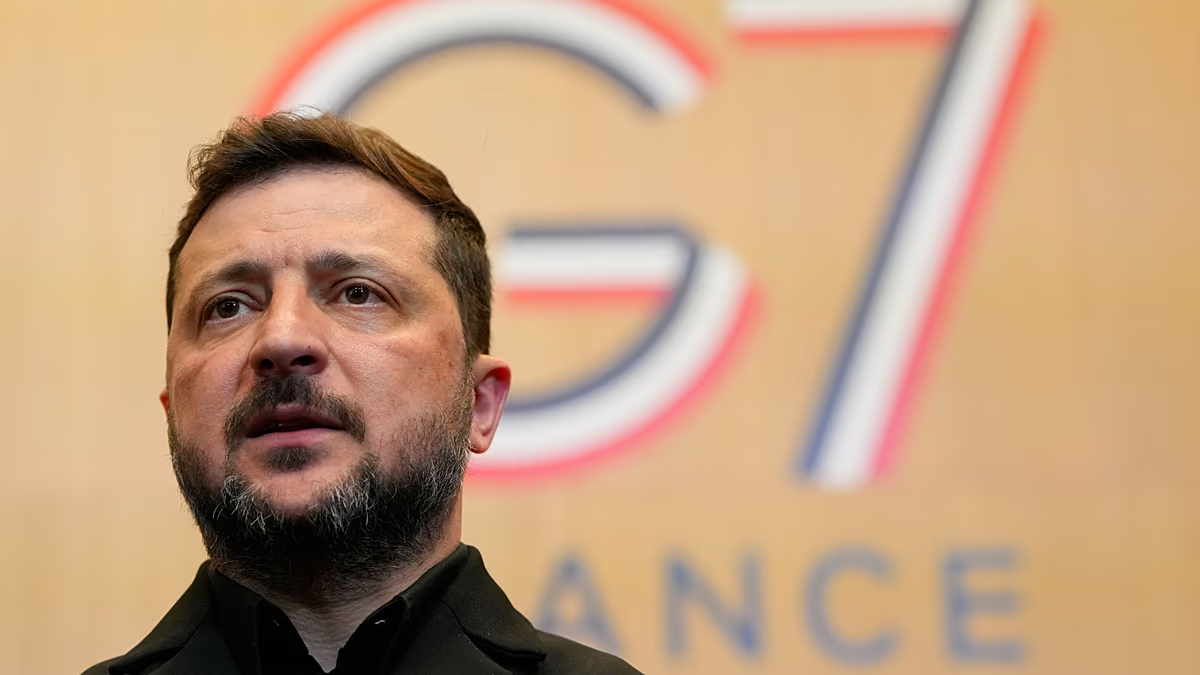
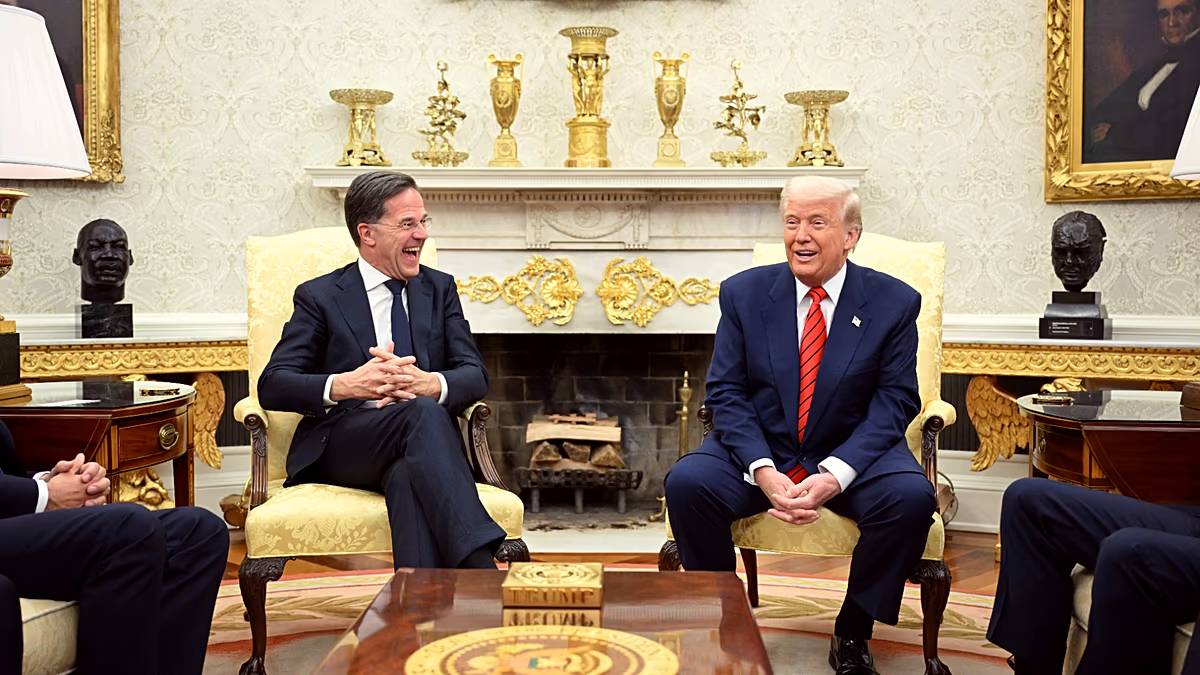
This diplomatic success was, in many ways, the result of a careful and strategic European charm offensive. Macron noted that after the U.S. initially extended a “hand” to Moscow, all parties, including Washington, had reached the same sobering conclusion: Russia showed no serious intent for peace, and Ukraine’s resilience on the battlefield had exceeded expectations. This shared assessment resonated with President Trump, European sources indicated, leading to his openness on energy sanctions. The Europeans deftly used the summit not to confront, but to persuade, aligning their core security interests with a narrative the U.S. administration could endorse. While Ukrainian President Volodymyr Zelenskyy did not secure a coveted bilateral meeting with Trump, the solid, collective G7 position offered a significant diplomatic victory for Kyiv.
Beyond Ukraine, the summit revealed a subtle but noteworthy alignment on other volatile fronts. Europeans welcomed President Trump’s deal with Iran to de-escalate hostilities, despite lingering concerns over Tehran’s nuclear program. Allied diplomats saw it as a pragmatic “off-ramp” from worse scenarios—a move that could stabilize energy markets, allow the West to refocus on Ukraine, and temper Israeli military actions in Lebanon that Europe had criticized. “Their positions on this have moved closer,” observed one diplomat. This illustrated the European approach in action: pursuing their interests not through public criticism, but through strategic engagement and finding areas of mutual, practical benefit with the U.S. administration.
The summit’s closing act was symbolic of this entire diplomatic ballet. President Trump departed for a lavish dinner at the Palace of Versailles, a celebration of 250 years of Franco-American friendship. When questioned about the optics of such opulence, President Macron offered a revealing justification: Versailles, he stated, had always been a tool of diplomacy. This comment neatly framed the entire Évian event. The grandeur, the diplomacy, the concerted effort to find unity—all were instruments wielded with purpose. The Europeans had learned that to protect their interests on the global stage, especially with a partner like Trump, they needed to master the art of persuasive engagement, blending firmness on principles with pragmatic outreach.
As leaders departed the Hotel Royal, there was a cautious sense that a functional formula had been rediscovered, at least for the moment. The fears of a useless, fractured G7 had been allayed. Through a combination of steadfastness on Ukraine, strategic flexibility on other issues, and attentive diplomacy, Europe had managed to steer the summit toward a cohesive outcome. It proved that even amidst profound political differences, the architecture of international cooperation could still hold, provided its members were willing to engage with both resolve and tactical savvy. The Évian summit, therefore, stood not as a resolution of transatlantic tensions, but as a demonstration that they could be managed—with the future of Ukraine and European security secured as the paramount, shared priority.