

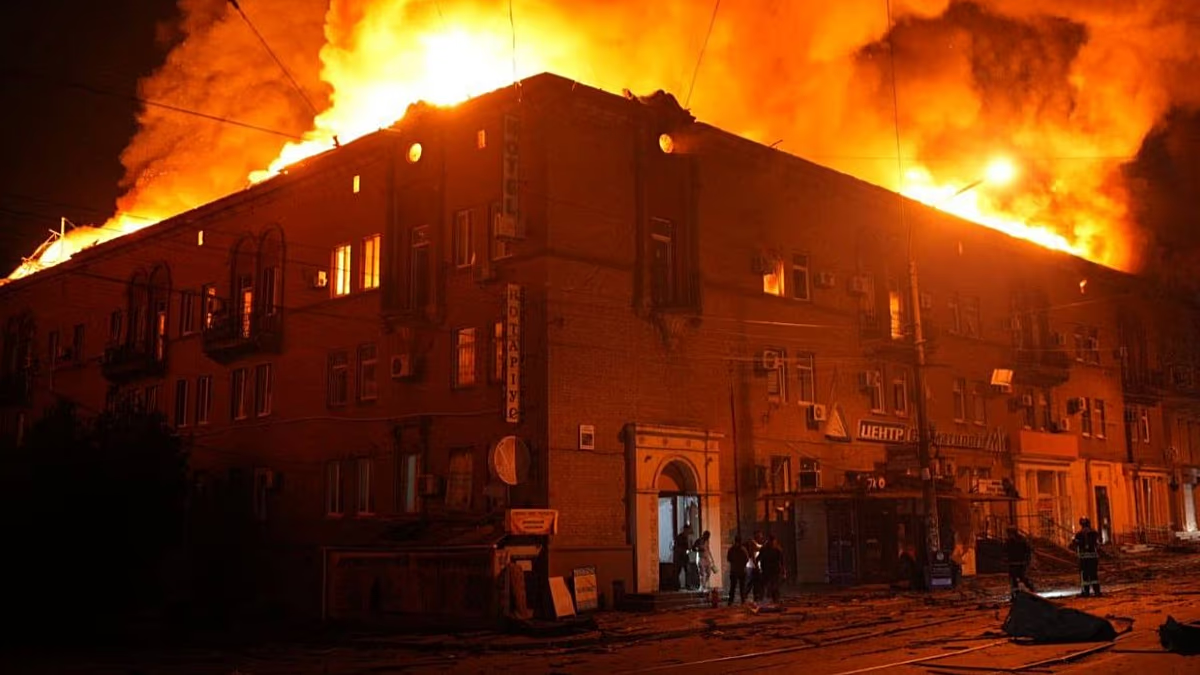
The early hours of Wednesday brought another night of terror to Ukraine, as the persistent hum of Russian drones once again shattered the peace. In the southeastern city of Zaporizhzhia, a residential building was transformed into a raging inferno after a direct hit, its 800 square metres engulfed in flames. Rescue workers, embodying a profound and daily courage, were forced to repeatedly halt their lifesaving efforts to take cover from ongoing attacks, a stark illustration of the brutal conditions under which they operate. When the blaze was finally subdued, the toll was one life lost and seven individuals wounded, each number a universe of grief for families and communities. Beyond the immediate tragedy, the assault left a broad scar across the city, damaging homes, vehicles, and civilian infrastructure in several districts, including a part of Zaporizhzhia National University—a symbol of future promise now violated.
The assault was not confined to Zaporizhzhia; it was part of a wider, coordinated barrage. From the Sumy region in the north, where a riding school was struck, killing several animals in a senseless act of destruction, to eleven different locations across the country, the night’s violence was pervasive. Ukrainian Air Force officials reported that Russia launched 119 drones in the attack, a staggering number intended to overwhelm defenses. While Ukrainian forces managed to intercept 97 of these lethal machines, the remaining twenty found their marks, exacting a human and structural cost that accumulates with each passing day. This pattern of large-scale drone and missile attacks has become a grim routine, aiming to wear down both Ukraine’s military resources and the spirit of its people through constant, indiscriminate terror.
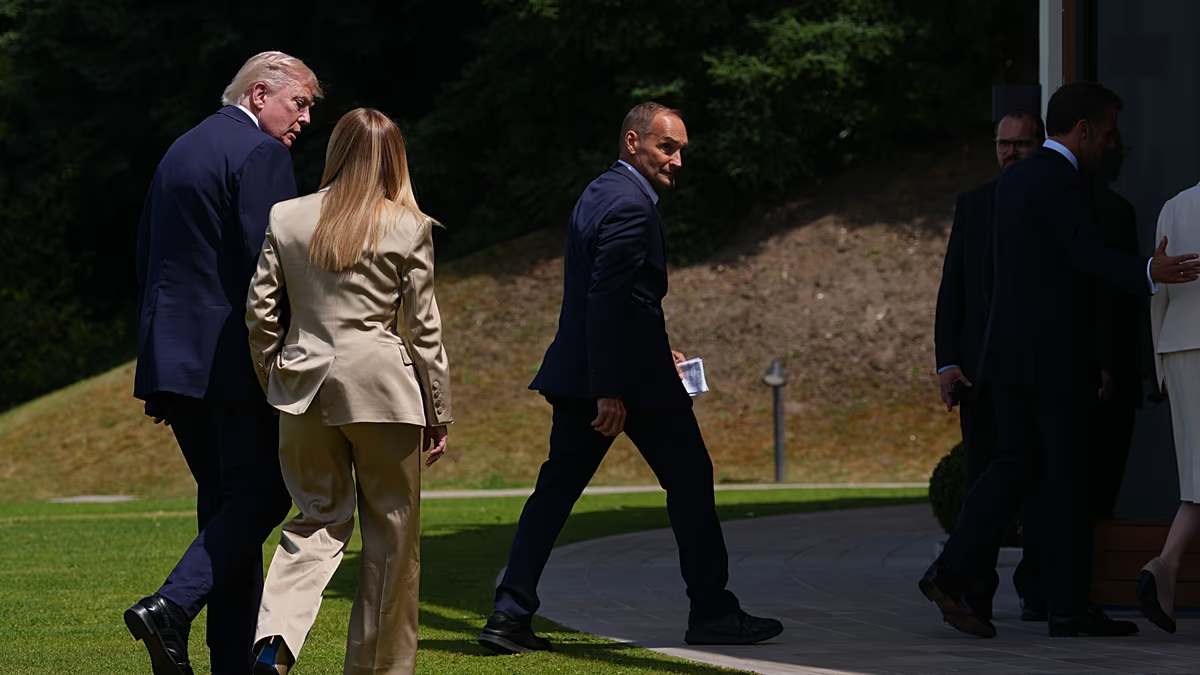
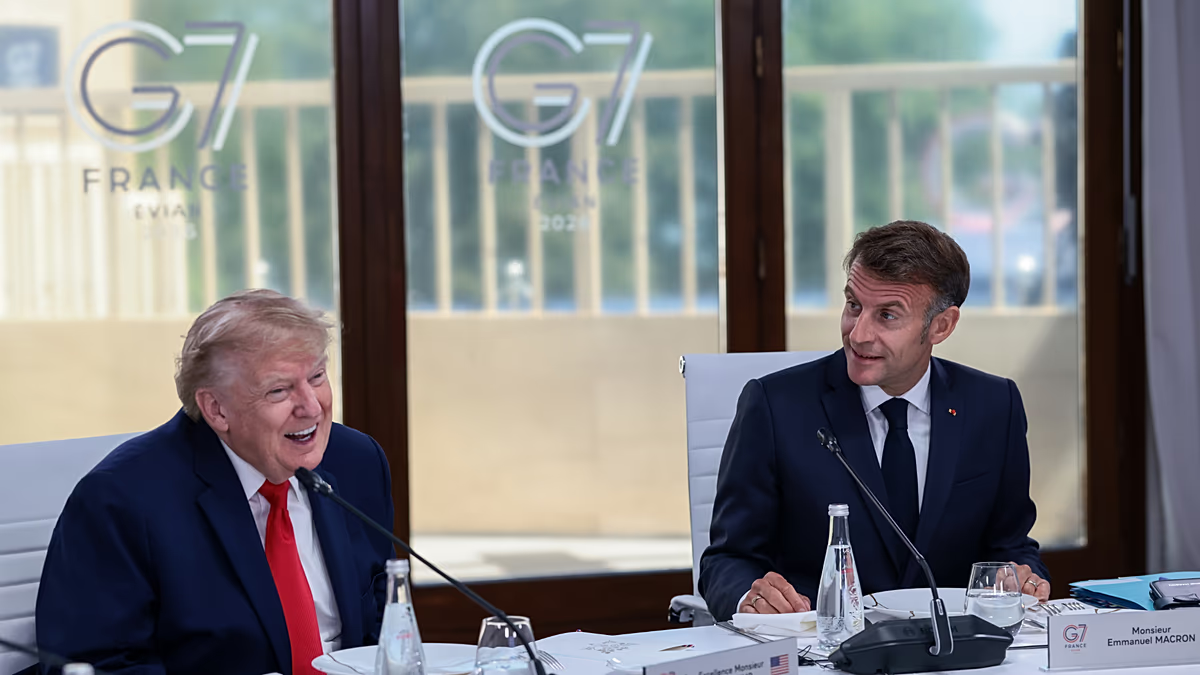
As the sirens wailed in Ukraine, the leaders of the world’s major advanced economies were concluding a summit in Évian, their discussions sharply focused on the very conflict devastating Zaporizhzhia. In a powerful display of unity, the G7 issued a joint statement offering “unwavering support for Ukraine in defending its freedom, sovereignty, and territorial integrity.” The statement specifically praised Kyiv for the renewed momentum its forces have achieved on the battlefield and made concrete pledges to bolster that effort. This support is to take the tangible form of increased deliveries of vital air defense systems, additional interceptor missiles, and long-range capabilities—the very tools needed to counter the kind of attacks that struck with such deadly effect this Wednesday.
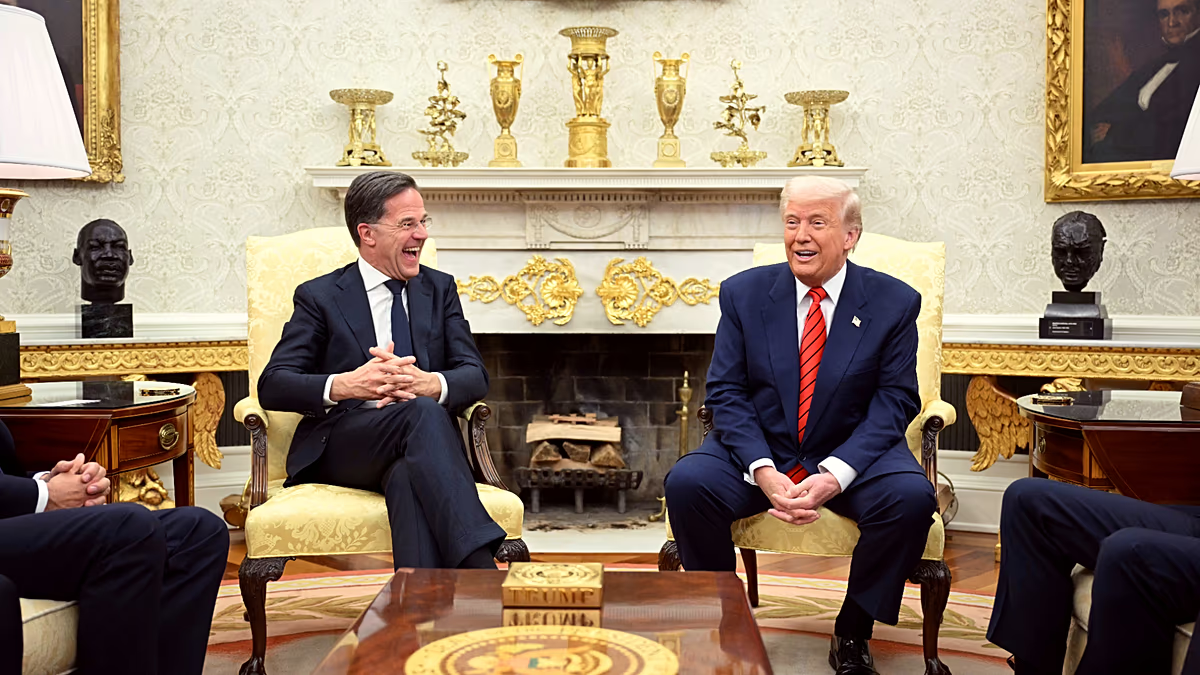
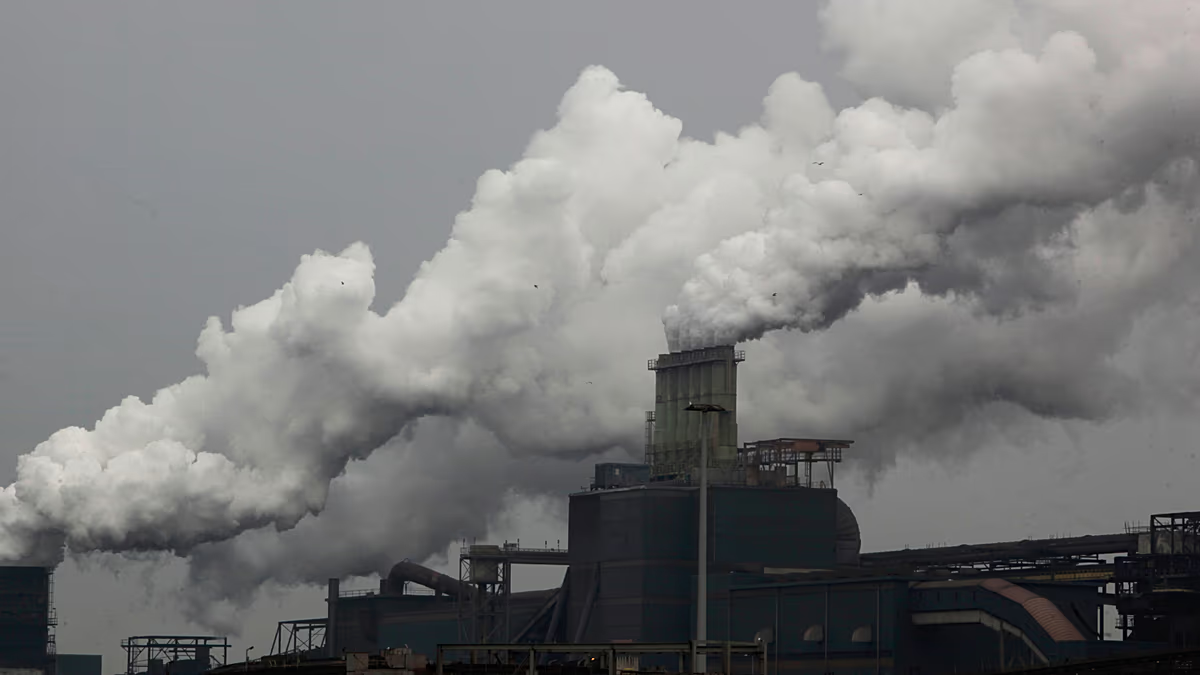
The G7’s commitment extended beyond the battlefield to the economic front, targeting the lifeblood of Russia’s war machine. Leaders vowed to implement tougher sanctions on Russia’s energy sector, a critical source of revenue for its military operations. This pledge gained further context from concurrent remarks by US President Donald Trump, who indicated that Washington could soon reimpose sanctions on Russian oil shipments, particularly targeting the increased flow of oil through the strategic Strait of Hormuz. These moves represent a concerted strategy to constrict Russia’s financial ability to sustain its prolonged invasion, addressing the war’s financing as diligently as its frontline manifestations.
This focus on Ukraine by the international community comes at a complex moment, as global attention has recently been divided by other crises. President Trump acknowledged that the conflict involving Iran had, for a time, overshadowed events in Ukraine. However, following the announcement of a framework deal aimed at de-escalation in the Gulf, he emphasized a desire to shift focus back to Eastern Europe. This suggests a strategic linkage in Western policy, where resolving or managing one regional conflict can free up political and diplomatic capital to reinforce stability and opposition to aggression elsewhere, particularly in standing with Ukraine.
Thus, the events of this single day paint a microcosm of the larger war. In Zaporizhzhia and Sumy, we see the devastating, human cost paid in real time—lives ended, educations disrupted, and communities scarred by fire and shrapnel. Simultaneously, in the halls of international diplomacy, we see the determined, if often slow-moving, machinery of global response: pledges of military aid, promises of economic pressure, and statements of moral solidarity. The gap between the immediacy of the trauma on the ground and the procedural pace of international support remains vast, but the continued alignment of Western nations offers a crucial counterweight to the aggression. For the people of Ukraine, each night of drones is a test of endurance; the world’s sustained support remains their essential shield and their hope for a future defined by peace, not by fire.