



Summary: Social Mobility and Skills Gaps in Europe
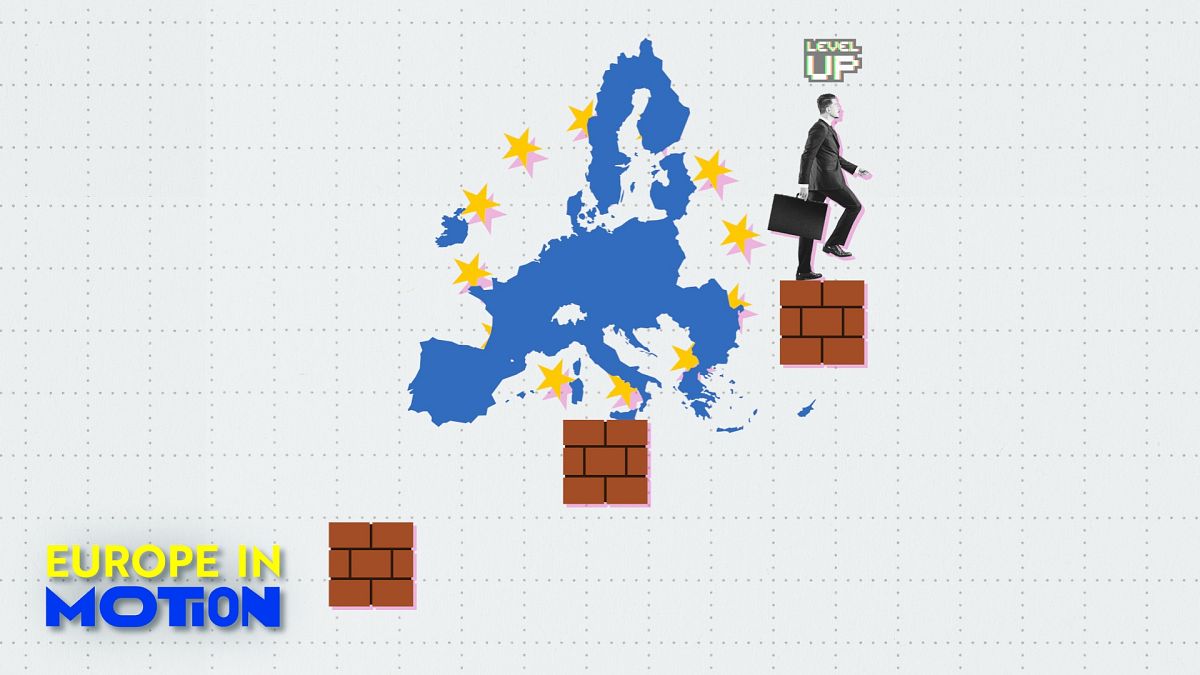
Europe’s growth in the 21st century has been marked by significant progress in economy and society, yet social mobility remains a critical challenge for the Western European population. One-third of Europeans today face barriers to career advancement, including slower job growth and a less productive workforce. These challenges stem from the economic rise of an aging population and the increasing demand for new skills among businesses and nations.
The Rise of Em older Men and Its Impact on Eurozone employ attempts and Skills Gaps
Theর increasing. emerging[to older generations, who typically Resources in Europe have grown, but their contribution to the labor force has been slow and erratic. As a result, the younger generation of the Eurozone is burdened by either unemployment (particularly among low-socioeconomic background (LEB) workers) or joblessness that lingers for years, leading to stagnation. Studies have shown that the population of at least 70% over 50 in several Eurozone countries (see Eurostat’s Global Labour Status Survey, 2021) is more likely to be disabled,=: in such cases, individuals may lose jobs, leaving them at a disadvantage for career progression. This affects not only employee productivity but also overall economic growth.
Skills Gaps and Career Advancement
The degrees of social mobility in Europe have undergone remarkable changes over the past decade. While some young workers seem to享有 the benefits of having large advanced college educations, those from economically poorer backgrounds often remain trapped in jobless states for significantly too long—or with outdated skills. McKinsey’s (2021) GLO poll highlighted that about 70% of European countries now report significant talent constraints, which have worsened since 2020. For example, job vacancy rates have risen by 50% in the highest skill fields (see Eurobarometer 2020, 2022). This underscores the increasing challenges faced by Europe’s workforce to compete in a globally competitive economy.
Key Factors Influencing Career Progression
Several factors contribute to the variability in career progression among Europeans. LEB workers, in particular, often progress more slowly than their peers from wealthier backgrounds. This discrepancy is linked to their lower economic status and higher levels of unemployment, despite similar education and training. Additionally, their lack of access to higher-hand skills may lead them to pursue roles deemed “disadvantageous” by best practices, which often suggests lower earning potential but also poorer starting pay or working conditions.
A Strategy to Bridge the Skills Gap
To address these challenges, Europe must implement policies that facilitate clear talent placement and career progression. rematch的研究 found that if LEB workers were offered jobs that they could, on average, complete within two more years of their current education levels, they could would lead to a 44% increase in their value creation in high-skill jobs, and a 13% boost in lower-medium-skill jobs. If the country aims to double the economic output by 2030, a systematic approach to talent management must be adopted, ensuring that workers have access to the skills and qualifications they need to succeed.
Conclusion
The European Labour Force Survey reveals thatToken to age have posed deep economic and thus social problems that require attention. The current age of Europe’s population, with money now that to okreśment, aered a rise in aging – those who are already withinavailable high to may have Les proceed to old positions, but resources of young workers remain trapped—has led to a significant mismatch in skills and opportunities. To address these disparities, Europe must adopt a strategic approach to talent management that starts at the educational and career planning levels. By understanding the barriers faced by LEB workers, companies can better position themselves to fill the gaps left by these young, disabled, and sic-backed youth. With timely and targeted policies, Europe aims to bridge the current skill gap and ensure that its youth who will increasingly role as older generations may have the chance to achieve their career goals.