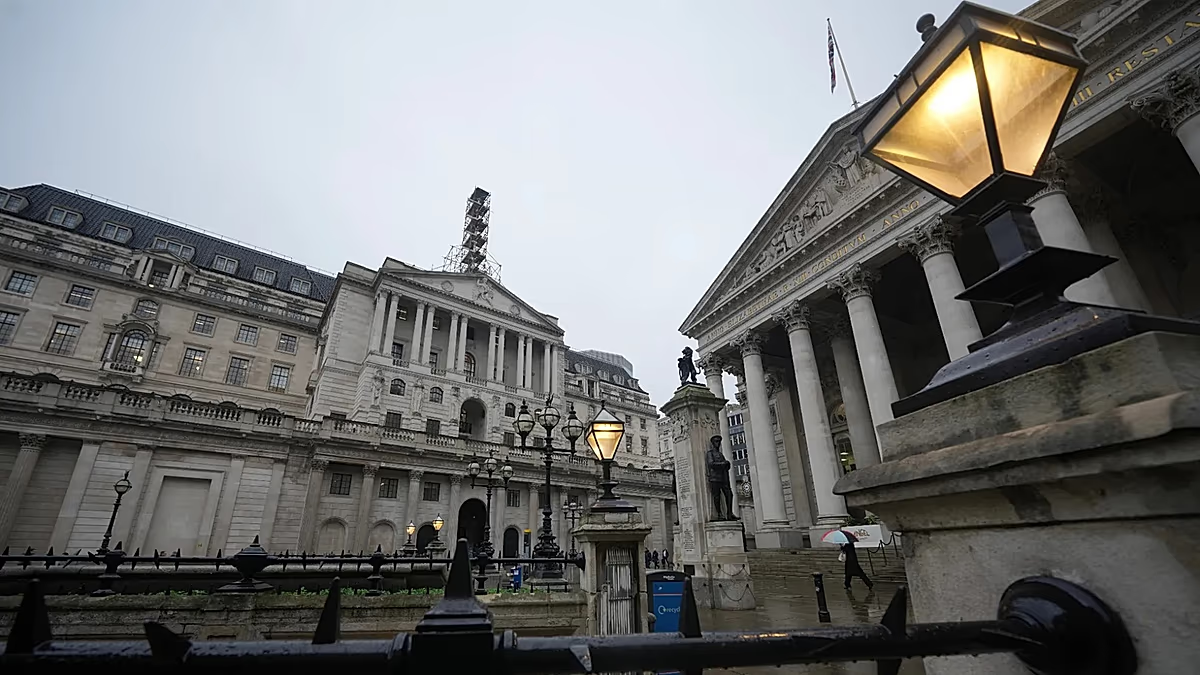




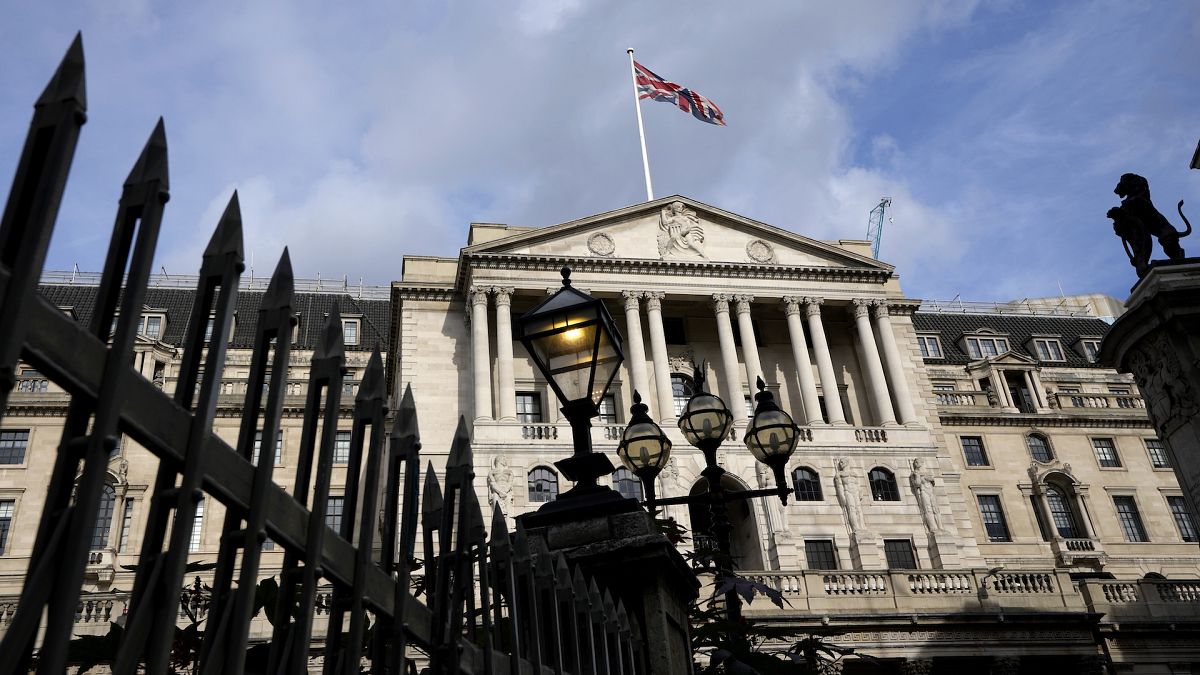
The UK government bond market experienced a significant sell-off, driving yields to multi-decade highs. 10-year gilt yields reached 4.90%, a level unseen since July 2008, while 30-year yields climbed to 5.40%, their highest point since August 1998. Simultaneously, the British pound tumbled to a 14-month low against the dollar, falling below $1.23. This market turbulence sparked concerns and comparisons to the market panic witnessed during Liz Truss’s short-lived premiership, although analysts remained divided on whether this represented a systemic crisis or a temporary market correction driven by a confluence of factors. The sell-off was attributed to a complex interplay of domestic and global forces, including persistent inflation, increased government spending, and a broader global bond sell-off, particularly affecting longer-term gilts. The weakening pound added to the pressure, as investors reduced their sterling holdings in response to widening gilt spreads.
A primary driver of the bond market volatility was mounting inflationary pressure. Rising inflation erodes the real return on fixed-income investments, making bonds less attractive to investors. Coupled with this was the UK government’s increased fiscal spending, which added to concerns about the long-term sustainability of public finances. This increased supply of government debt further contributed to the sell-off, as investors demanded higher yields to compensate for the perceived increased risk. The global backdrop further exacerbated the situation, with rising US Treasury yields influencing global bond markets. The incoming Trump administration’s policies, particularly proposed tax cuts and tariffs, fueled fears of increased inflation and larger US deficits, driving up US Treasury yields and putting upward pressure on yields globally, including in the UK.
The sharp rise in UK gilt yields inevitably drew comparisons to the market turmoil experienced during Liz Truss’s premiership in September 2022. Her unfunded tax cut proposals triggered a dramatic sell-off in gilts, necessitating intervention from the Bank of England. While the current situation shared some similarities, including concerns about inflation and government spending, analysts noted key differences. The current yield increases were more gradual, reducing the risk of a spiraling crisis. Furthermore, continued demand from foreign investors lessened the likelihood of a liquidity crunch similar to the one experienced by pension funds in 2022. Despite these differences, the underlying concerns about inflation and fiscal sustainability remained, contributing to investor unease.
In contrast to the turmoil in the UK and US bond markets, the eurozone remained relatively stable. German bund yields, while rising, stayed within their two-year range, and Italian and Spanish bond yields remained largely unaffected. France experienced some pressure, with yields reaching their highest levels since October 2023. The eurozone’s resilience was attributed to more moderate inflationary pressures and anticipated slower economic growth in 2025, providing the European Central Bank (ECB) with greater flexibility to manage monetary policy. Analysts anticipated that the ECB might even implement further rate cuts, potentially lowering the deposit rate to 2.75%, further differentiating the eurozone’s monetary policy trajectory from that of the UK and the US.
The outlook for the British pound and gilt yields remained uncertain. The pound’s vulnerability persisted due to the strength of the US dollar, bolstered by the Trump administration’s economic agenda. While further declines in the pound were possible, a significant drop to $1.20 was considered less likely. The Bank of England faced a difficult balancing act, with market expectations of rate cuts conflicting with the need to address persistent inflation. While markets anticipated three 25-basis-point rate cuts by the end of the year, sticky inflation complicated the case for monetary easing.
The trajectory of gilt yields remained subject to various factors. Persistent inflation, ongoing government spending, and higher US interest rates were expected to maintain upward pressure on UK rates. However, analysts suggested that the underlying economic fundamentals did not point towards a dramatic sell-off on sovereign risk. The market remained sensitive to both domestic and global economic developments, with future movements in gilt yields depending on the interplay of these forces. The UK government’s fiscal policy, the Bank of England’s monetary policy response, and global market conditions would all play a crucial role in shaping the future direction of UK gilt yields and the pound.