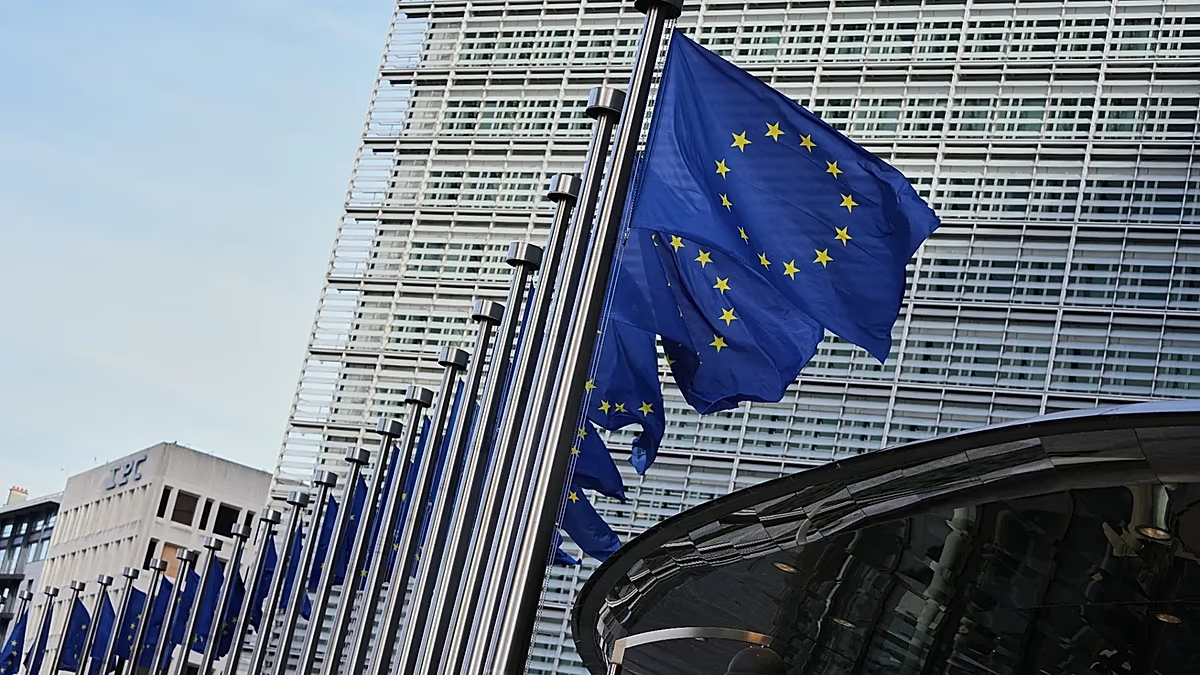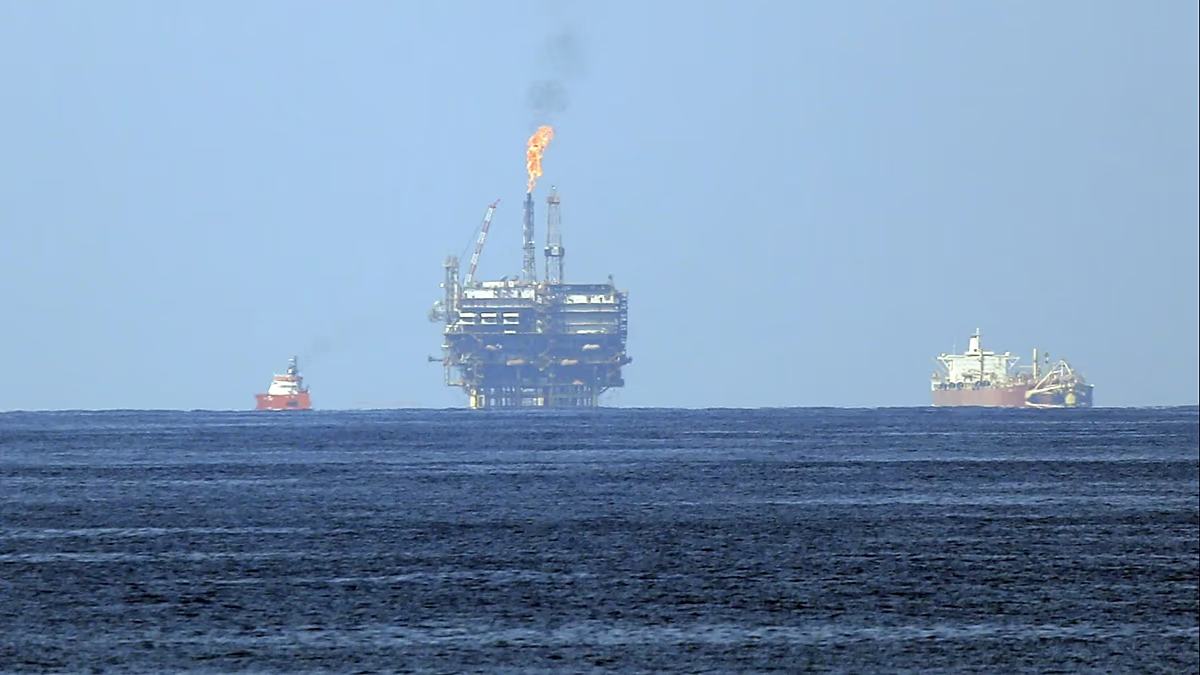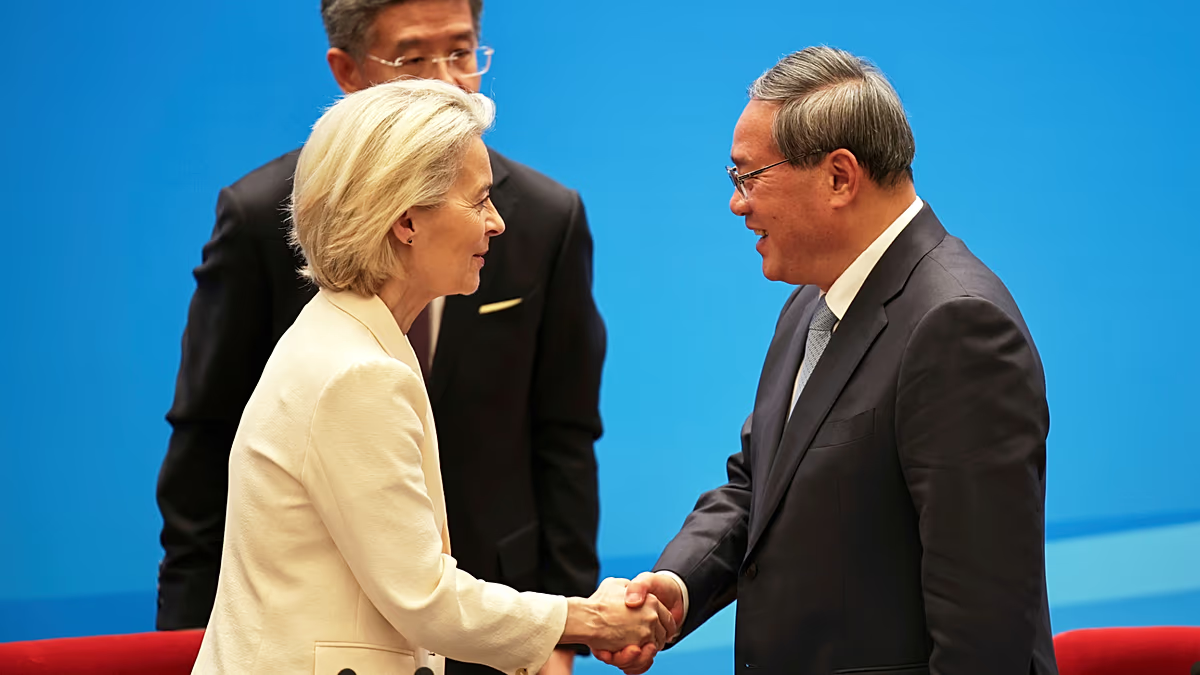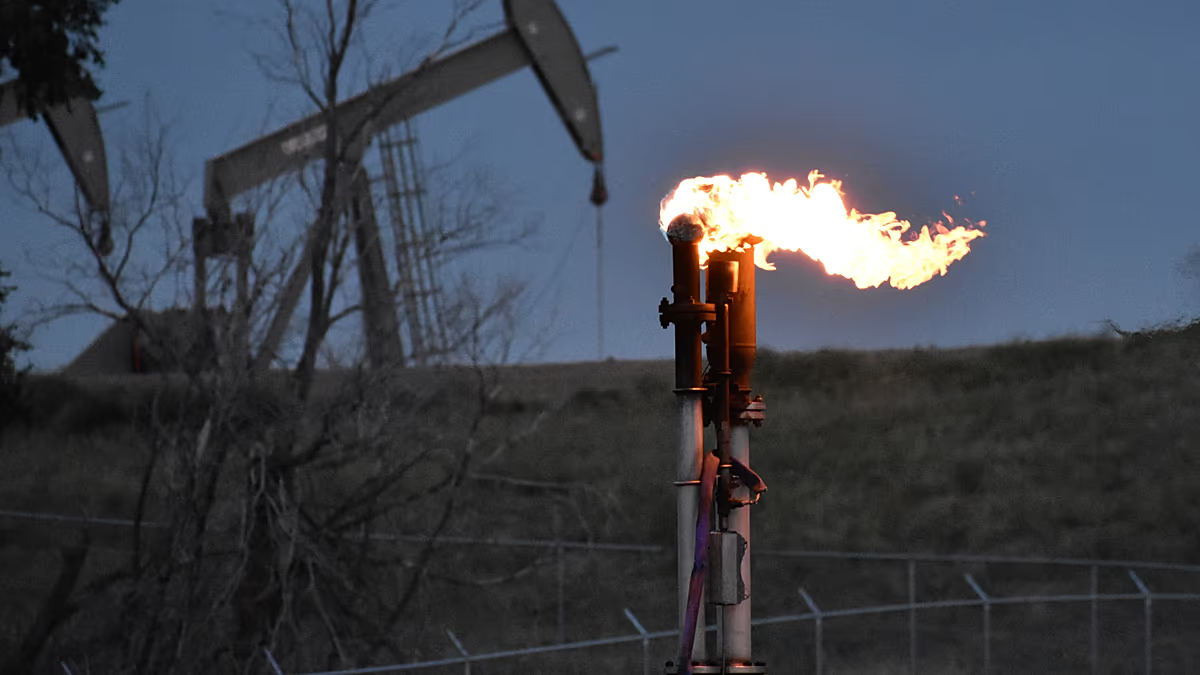



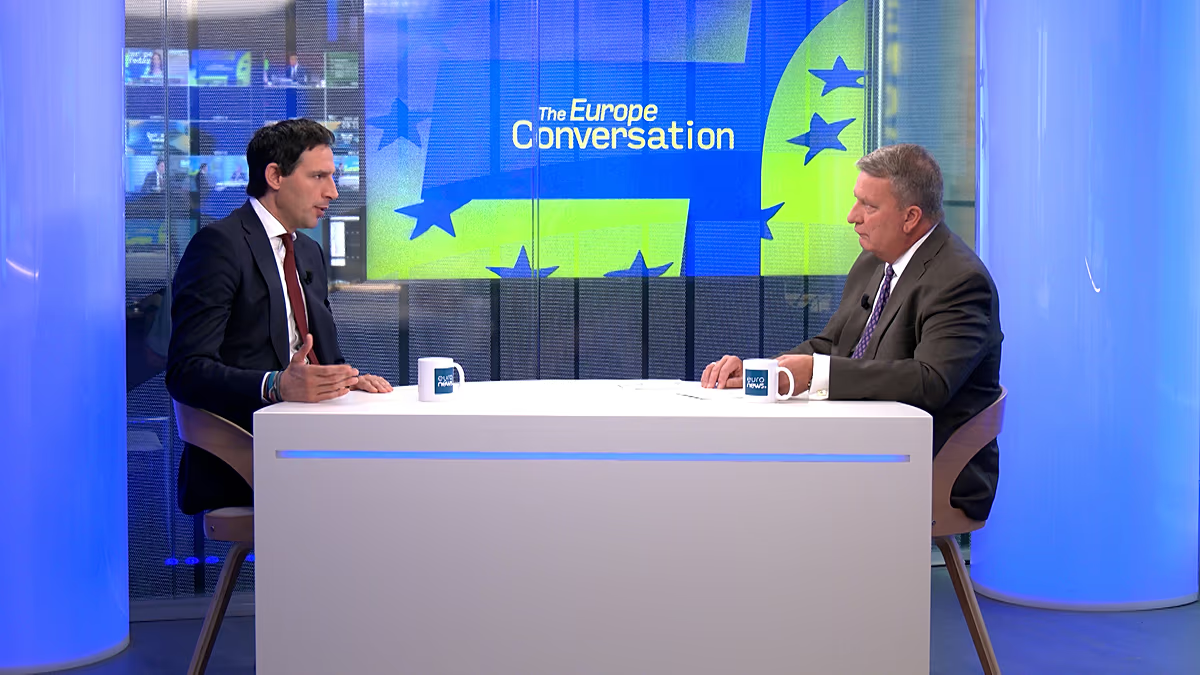
In an era of escalating energy crises, EU Climate Commissioner Wopke Hoekstra has issued a compelling call for Europe to accelerate its transition away from fossil fuels with greater urgency and radical ambition. Speaking on Euronews, Hoekstra outlined a clear blueprint for energy resilience: a diversified mix of electrification, renewable energy, heat pumps, enhanced cross-border electrical connections, and nuclear power. This isn’t merely an environmental imperative, he argues, but a profound economic and security necessity. The continent’s historical vulnerability, starkly revealed by the oil crises of the 1970s and more recently by the tumultuous shift away from Russian gas, underscores a painful pattern. “The lesson is that, after every previous crisis, we actually should have been more radical,” Hoekstra reflects. The current reliance on liquefied natural gas (LNG) from the United States, Qatar, and others is, in his view, a precarious substitute—a dependency that leaves Europe “at the mercy of others” and exposed to future geopolitical shocks.
This warning is acutely relevant as Europe faces a “third oil shock” driven by Middle East instability, with Brent crude prices again surpassing $100 per barrel. The ripple effects are profound and painful: soaring costs for electricity and industrial energy are straining businesses, while rising fuel prices inflate costs for everything from home heating and gasoline to agricultural and manufactured goods. This surge exacerbates the risk of energy poverty, pushing the Commission to seek ways to shield vulnerable consumers. Hoekstra acknowledges a hard reality: despite the pressing need for transition, Europe must still navigate a bridge period where fossil fuels, particularly gas, remain a transitional necessity. Furthermore, burgeoning demand from sectors like artificial intelligence (AI) threatens to outpace even our best energy efficiency efforts, adding complexity to the challenge.
A central pillar of this transition—and a current weak link—is infrastructure. Hoekstra concedes that the EU has “more homework to do” in modernizing its energy systems. The scale of investment required is vast, encompassing billions for expanding electric vehicle charging networks and fundamentally upgrading power grids to handle a more distributed, renewable-heavy system. “We’re not yet meeting the bar,” he states plainly, framing every euro invested as a crucial down payment on future stability. “We are so vulnerable,” he emphasizes, urging forward-leaning action to build a system that can withstand the next crisis, whether it arrives in three, five, or ten years.
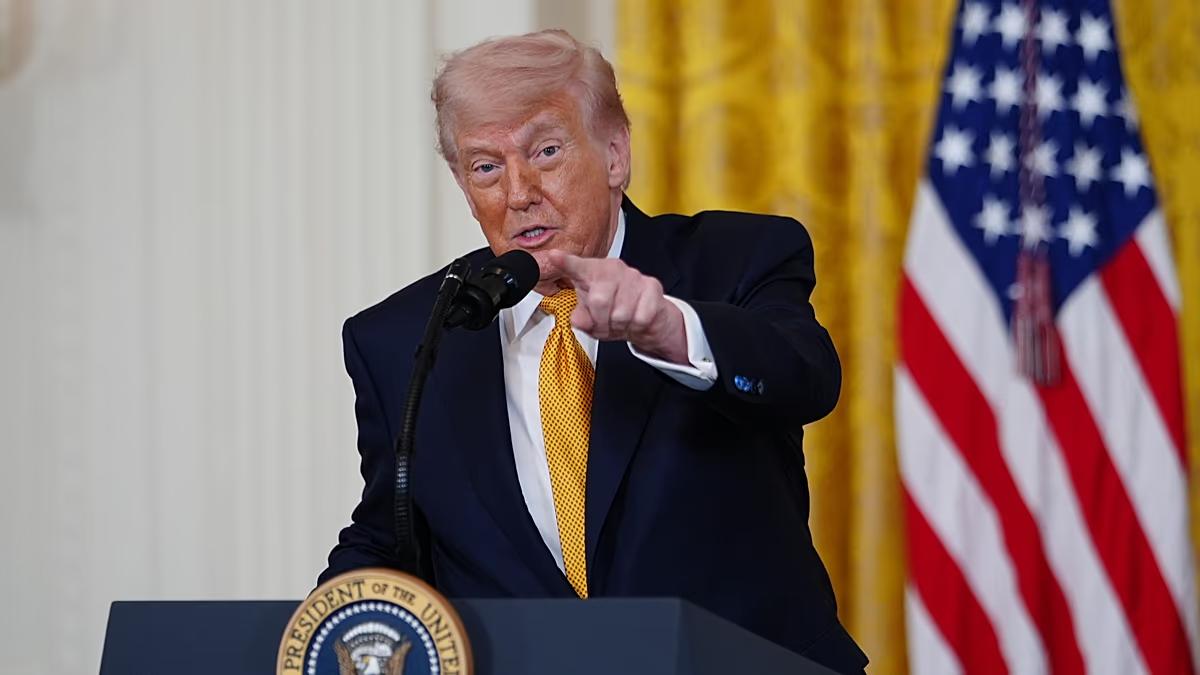
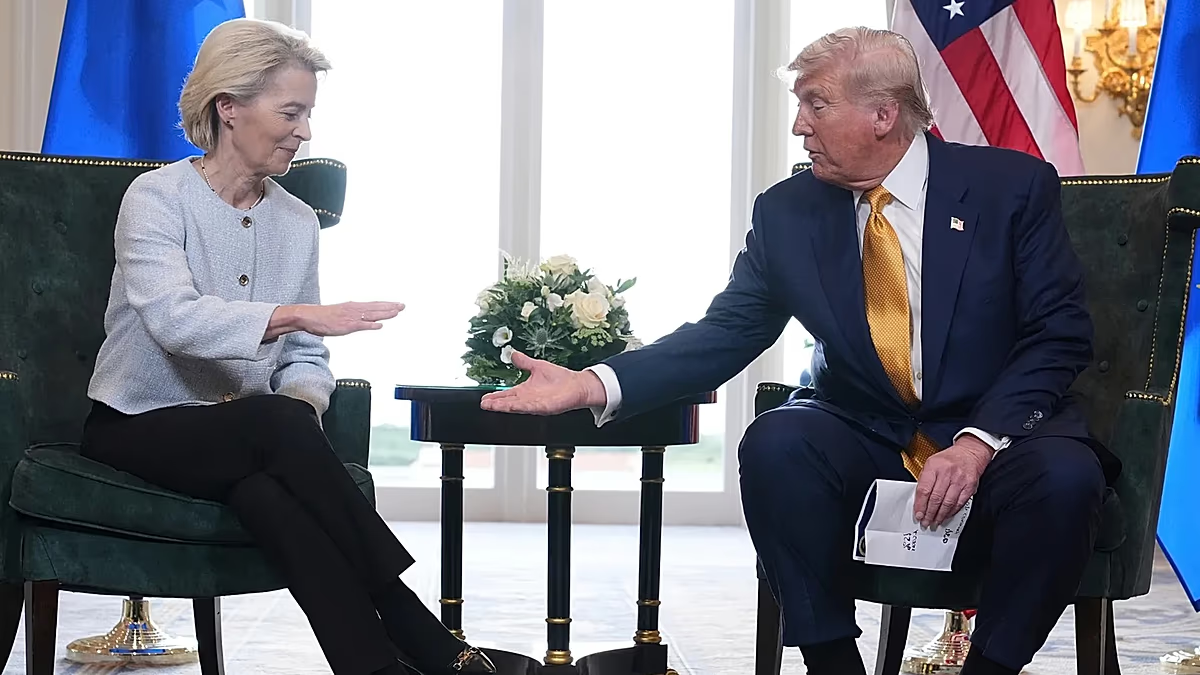
On the global stage, Hoekstra expresses clear regret over the United States’ withdrawal from international climate cooperation under President Donald Trump, noting that “Americans have checked out on this topic.” However, he adopts a pragmatic stance, taking “the world as it is, not as I would like it to be.” In response, Europe has proactively strengthened alliances with a coalition of like-minded nations, including Norway, the United Kingdom, Canada, Australia, Japan, and key partners in Latin America and Africa. This diplomatic network is vital for shared innovation and pressure.
The Commissioner finds hope in recent multilateral achievements, particularly the landmark consensus forged at the 2023 Climate Conference in Dubai. There, he highlights, a “supermajority that crossed the north-south divide” emerged, proving that global unity on climate action is possible. This breakthrough, he believes, is “the name of the game going forward”—a model for building broad, inclusive alliances to tackle a problem that transcends borders.
Ultimately, Hoekstra’s message is one of sober responsibility intertwined with opportunity. The EU “owes it” to its citizens and companies, he argues, to construct an energy foundation that protects them from the price volatility and insecurity of dependency. The path demands radical ambition, massive investment in infrastructure, and strategic global partnerships. It is a journey toward not just a cleaner environment, but a more sovereign, resilient, and economically stable Europe, finally learning from the crises of its past to secure its future.