


A New Chapter for Mexican Tourism and Remote Work
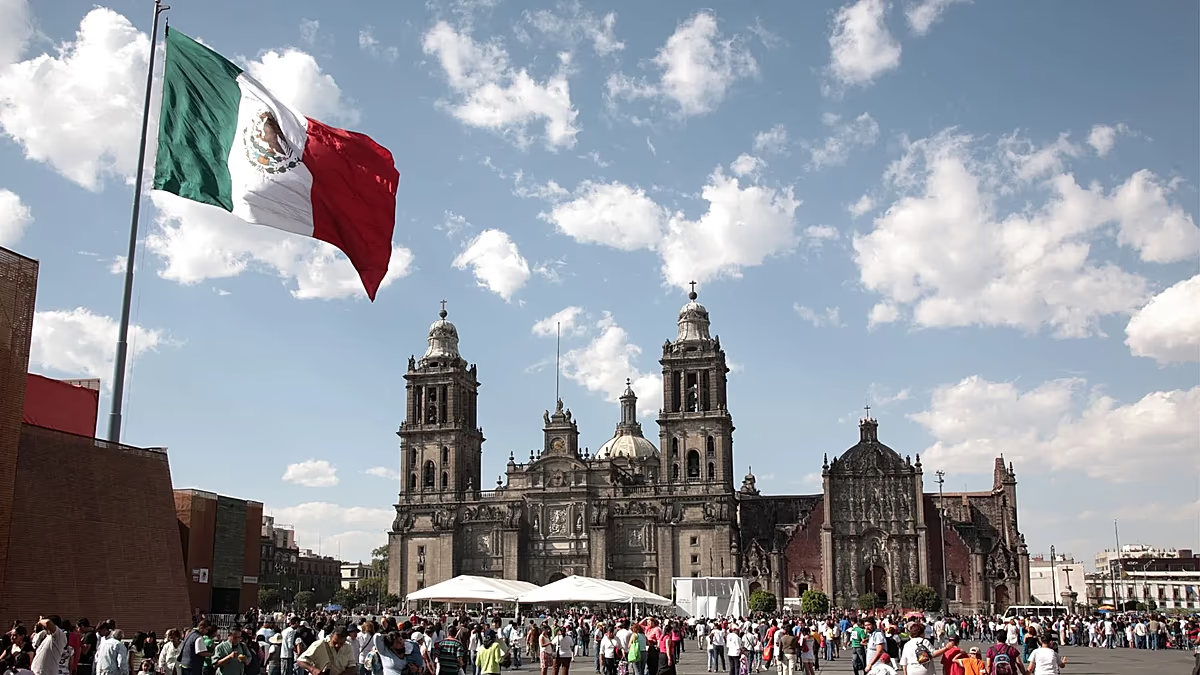
While Mexico will host just thirteen of the 104 matches at the 2026 FIFA World Cup, the country is poised to experience a windfall far greater than a trophy. The spotlight of the global tournament is transforming key host cities like Mexico City, Guadalajara, and Monterrey into epicenters for the rising tide of digital nomadism. This shift is altering the very fabric of urban life. Unlike the fleeting visits of traditional tourists, these new visitors arrive weeks or even months before the first whistle, seeking not just to watch football but to temporarily settle, work remotely, and immerse themselves in the local culture. This influx represents a strategic evolution, positioning Mexico as more than a vacation spot; it’s becoming a vibrant, temporary home for a mobile global workforce, using the World Cup’s energy as a powerful catalyst for long-term change.
The Digital Nomad: A Catalyst for Sustained Growth
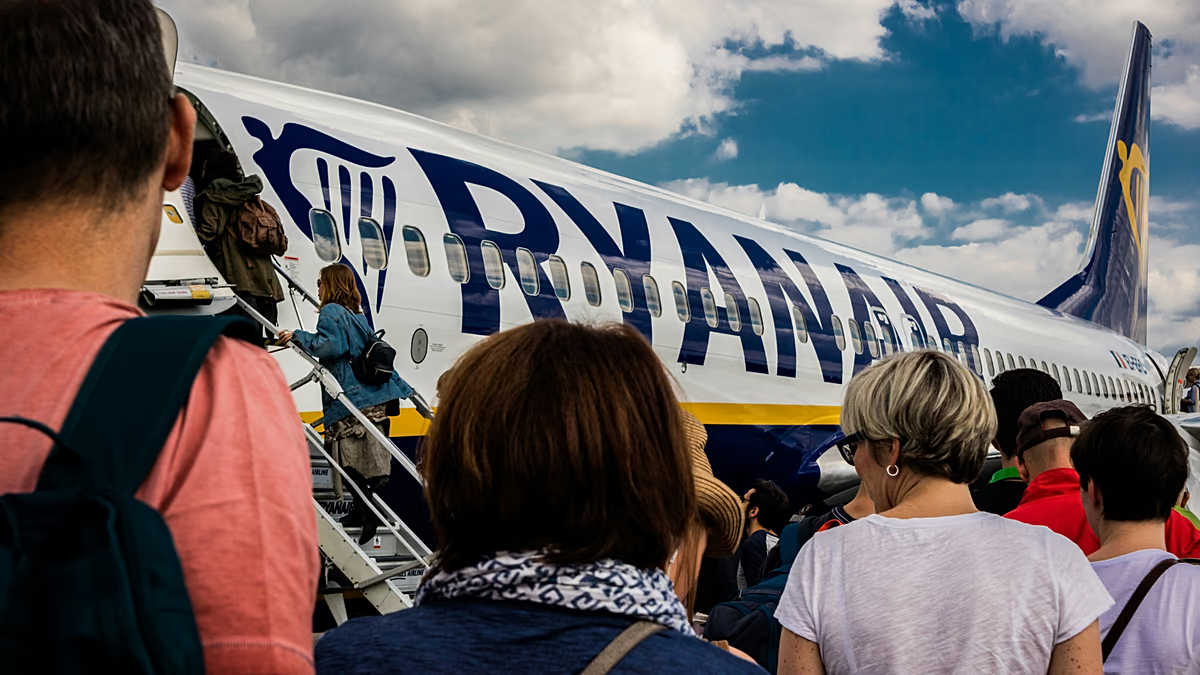
This transformation taps directly into a profound global shift in how people work and live. Studies indicate that over 60% of professionals now aspire to a flexible, location-independent lifestyle. The World Cup acts as a perfect accelerant for this trend, offering a compelling reason for remote workers to choose Mexico as their base. As Adriana Vega, Querétaro’s Secretary of State for Tourism, notes, the tournament has powerfully elevated Mexico’s profile, particularly in Europe. She highlights a significant 16% growth in Spanish arrivals and new direct flight routes, like those from Madrid via Iberojet, which are strengthening vital air bridges. Authorities are proactively crafting “combined experience” packages that merge sport, culture, and beach travel, creating tourist corridors that encourage longer, more exploratory stays across different states.
Economic Ripples Beyond the Stadium
The economic impact of this nomadic wave is both substantial and uniquely distributed. While traditional tourism often concentrates spending in specific zones, digital nomads generate a more organic, community-based economic benefit. Their extended stays lead to sustained demand for medium-term rentals, specialized coworking spaces, local grocery markets, and neighborhood cafes. They utilize public transport, engage with professional networks, and contribute to a more stable revenue stream for service sectors throughout the cities. This model moves beyond the boom-and-bust cycle of event-driven tourism, fostering a more resilient economic ecosystem that benefits a wider array of local businesses and residents long after the final match.
The European Connection: Spaniards Leading the Charge
European travelers, and Spaniards in particular, are at the forefront of this movement. Data from platforms like Airbnb reveal that Spanish visitors are planning exceptionally long and mobile trips for the World Cup, averaging nearly 18 nights and almost four different destinations per journey. This pattern is the hallmark of the digital nomad: blending work with leisure across an extended period. Their interest is further fueled by Spain’s scheduled matches in Guadalajara, making Mexico a central hub on their itineraries. This trend is directly stimulating key infrastructure, from the rental market to the coworking industry, and is set to contribute billions of dollars to the host cities’ economies, driven by this deeper, more engaged form of travel.
Redefining Travel in the Modern Age
Ultimately, this phenomenon signals a fundamental restructuring of what tourism means. It is no longer solely about a brief escape; for a growing demographic, it is about a temporary way of life. The convergence of seamless remote work with the magnetic pull of a mega-event like the World Cup marks a definitive turning point. Mexico finds itself competing not just as a premier sporting venue, but as a dynamic, livable platform for a connected and flexible global generation. The tournament is showcasing the country’s capacity to be a workplace, a community, and an adventure all at once, appealing to those who seek to embed themselves in a destination rather than simply pass through it.
A Lasting Legacy: Life Beyond the Game
The true legacy of the 2026 World Cup for Mexico may therefore be measured in more than stadiums filled or matches won. It is catalyzing a lasting shift in the country’s international identity. As the article concludes, football is being experienced not in mere 90-minute increments, but across weeks of connection, productivity, and local immersion. This transition from passive spectator to active resident-traveler represents a powerful new chapter. By successfully attracting and accommodating the digital nomad community, Mexico is securing a sustainable economic and cultural boost that will resonate well beyond the tournament, firmly establishing itself as a leading destination for the future of work and travel.