



The Contentious Landscape of Lithium Mining in Europe: A Clash of Perspectives
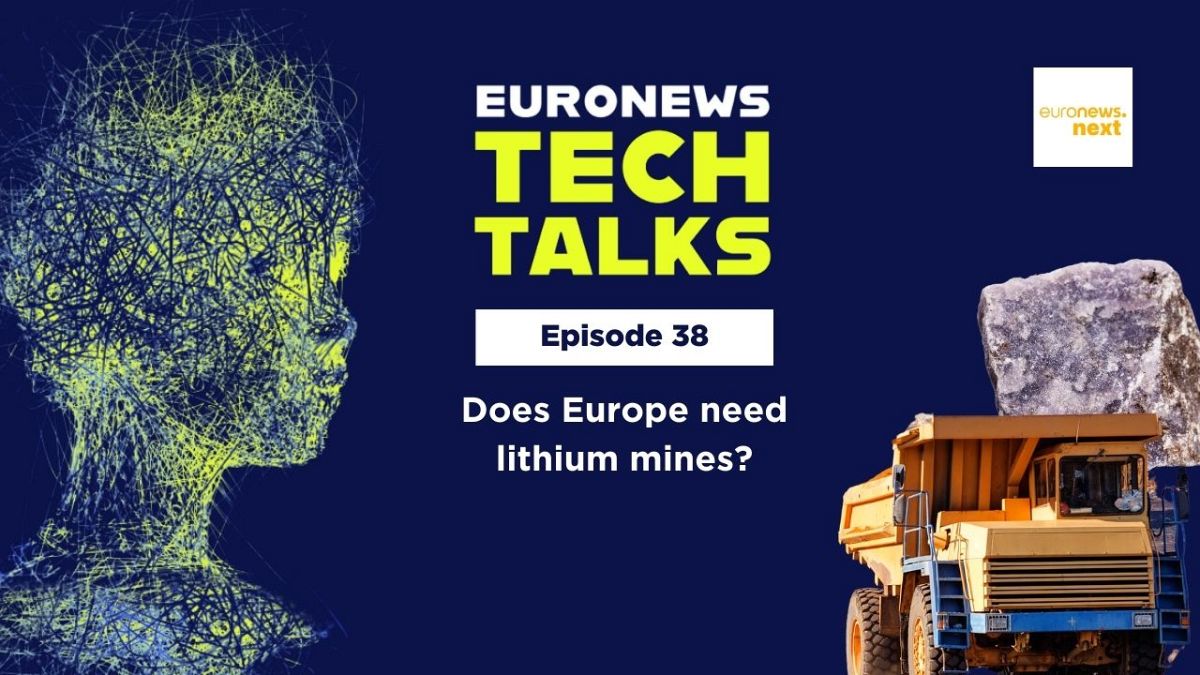
Europe finds itself at a crucial juncture, grappling with the complex dilemma of securing essential resources for its green transition while simultaneously upholding environmental and social responsibility. The continent holds substantial untapped lithium reserves, a critical component in batteries powering electric vehicles and renewable energy storage. However, the prospect of extracting this valuable resource has ignited fierce debate, pitting the urgent need for a sustainable energy future against the potential for environmental damage and social disruption. This debate is particularly intense in countries like Germany, Czechia, Serbia, Spain, Portugal, and Austria, where significant lithium deposits exist. Public resistance to proposed mining projects has been widespread, fueled by concerns over the environmental and societal consequences of extraction.
The Environmental and Social Costs: A Cautionary Tale
Opponents of lithium mining, including organizations like Friends of the Earth Europe, highlight the inherent environmental risks associated with the process. Lithium extraction, particularly through open-pit mining, can lead to deforestation, habitat destruction, and biodiversity loss. The process also requires substantial amounts of water, a precious resource in many European regions, and generates significant waste, including potentially toxic byproducts. Furthermore, the use of chemicals in the extraction process can contaminate soil and water sources, posing risks to human health and ecosystems. Beyond the environmental impacts, critics emphasize the social and economic consequences for local communities. Mining projects often displace residents, disrupt traditional livelihoods, and can lead to social conflicts. While companies frequently promise job creation and economic benefits, these are often temporary, while the long-term environmental and social damage persists, impacting the livelihoods of local populations for generations. This concern is amplified by the involvement of multinational corporations, which may prioritize profit maximization over the well-being of local communities, raising doubts about the equitable distribution of benefits.
Responsible Mining: A Feasible Path or an Illusion?
Proponents of lithium mining argue that with appropriate regulations and responsible practices, the environmental and social impacts can be minimized. They advocate for the adoption of sustainable mining techniques, such as using renewable energy to power operations, implementing water recycling systems, and employing dry stacking methods to reduce the risk of contamination. Furthermore, they stress the importance of transparency and community engagement throughout the mining process, ensuring that local communities are consulted, their concerns addressed, and that they benefit directly from the projects. This approach, they argue, would allow Europe to secure a vital resource for its green transition while minimizing the negative consequences for the environment and local populations.
Europe’s Responsibility: Confronting the Dilemma
The debate over lithium mining in Europe reflects a broader tension between global interdependence and national self-sufficiency. Europe has historically relied on importing raw materials, including lithium, from other parts of the world, often overlooking the environmental and social costs associated with extraction in those regions. The push for domestic lithium production represents a shift towards greater resource independence, but it also necessitates confronting the potential consequences of mining within Europe’s borders. Critics argue that simply shifting the burden of extraction from one location to another does not address the fundamental problem of unsustainable resource consumption. They advocate for reducing the overall demand for lithium through initiatives like promoting battery recycling, exploring alternative battery technologies, and transitioning towards a more circular economy.
A Balanced Approach: Navigating the Complexities
The path forward requires a nuanced and balanced approach that considers both the urgency of the green transition and the need to protect the environment and local communities. A comprehensive strategy should encompass the following elements: Rigorous environmental and social impact assessments for all proposed mining projects, employing the precautionary principle to avoid irreversible damage; Strict enforcement of regulations to ensure responsible mining practices, including minimizing water and energy consumption, managing waste effectively, and protecting biodiversity; Meaningful engagement with local communities to ensure their participation in decision-making processes and equitable sharing of benefits; Investment in research and development of alternative battery technologies and recycling methods to reduce the overall demand for lithium; Promoting international cooperation to establish sustainable supply chains for critical minerals, ensuring responsible sourcing and fair labor practices.
The Future of Lithium in Europe: A Shared Responsibility
The decision of whether or not to pursue lithium mining in Europe is a complex one with far-reaching implications. It requires careful consideration of the trade-offs between securing essential resources for a sustainable future and protecting the environment and the well-being of local communities. A collaborative approach involving governments, industry, civil society, and local communities is essential to navigate this complex landscape and forge a path that balances economic development with environmental and social responsibility. The ultimate goal should be to ensure that the transition to a green economy is just and equitable, leaving no one behind and minimizing the ecological footprint of our technological advancements.