

Amid a steady drizzle that seeped through our rain gear, leaving our hiking group chilled to the bone, a simple wooden shelter emerged like a mirage. Huddled beneath its modest roof, we found our spirits—and our bodies—warmed not by the structure itself, but by the profound hospitality that defines the Via Transilvanica. This was Popas la Cosma, a rest stop deep in Romania’s Eastern Carpathians, run by shepherd Cosma Crăciuneac and his family. In short order, we were sipping afinata, a wild blueberry liqueur, and sharing plates of homemade cheese, salami, and fresh bread. This moment encapsulated the trail’s soul: a 1,600-kilometer path across Romania, conceived not merely for tourism, but as a social project to breathe life into rural communities.
The Via Transilvanica is a remarkable feat of community and passion, brought to life by the NGO Tășuleasa Social without government or EU funding. Its core mission is to unite and revitalize the approximately 400 villages it passes through, many struggling with depopulation. As Alin Ușeriu, the association’s president, emphasized, this is a project built by volunteers for communities, a “path that unites” diverse ethnic regions. Stops like Popas la Cosma, which hosted around 1,500 hikers in one season, illustrate its success. The trail is ever-evolving, with ongoing improvements and a recent 200-kilometer extension, ensuring it remains a living, community-centered initiative.
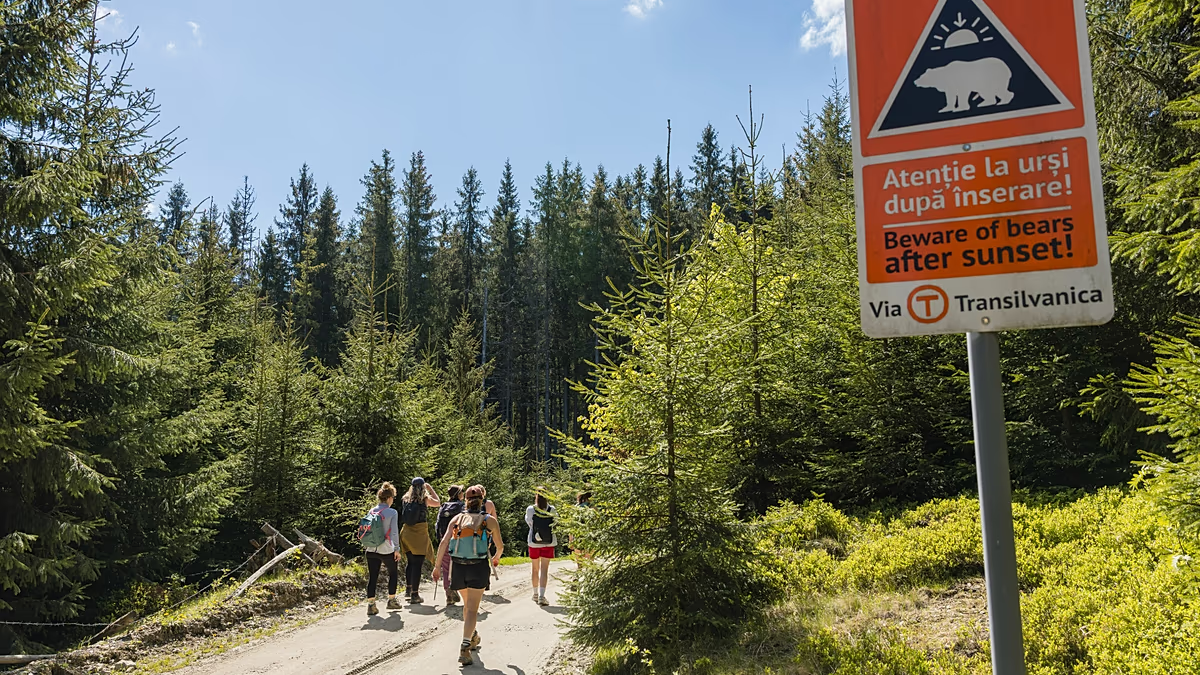
Our journey, guided by Intrepid Travel, wound through the breathtaking Bukovina region, often called the “Switzerland of the East.” For three days, we traversed deep forests of beech and spruce, sun-drenched wildflower meadows, and paths shared with bell-adorned cows. While orange trail markers guided our way, frequent bear warnings added a thrill—though we encountered only birds, butterflies, and the occasional horse-drawn cart. This northern section, celebrated for its raw beauty, offered a serene yet vibrant immersion into Carpathian landscapes, far from crowded tourist trails.
A highlight of the Via Transilvanica is the culinary and human connection. Each lunch was a celebration of local traditions, replacing mundane trail food with feasts like fresh cheese paired with paprika jam or savory sarmale (cabbage rolls). Sharing a shot of afinata with hosts revealed their genuine pride in welcoming hikers. These stops also serve as checkpoints, where travelers collect stamps in a dedicated booklet, marking each completed stage. This simple ritual fosters a tangible sense of journey and achievement, intertwining personal accomplishment with local economies.
The trail is also a vibrant cultural corridor. In Bukovina, we visited UNESCO World Heritage sites like the Sucevița and Moldovița monasteries, their exteriors and interiors adorned with stunning 16th-century frescoes. In the town of Moldovița, artisan Viorica Semeniuc introduced us to the delicate art of painting eggs with intricate designs. Along the path itself, each kilometer marker is a unique sculpture, ranging from mythical creatures to abstract faces, transforming the route into what volunteer Iulian Gabor aptly calls “the largest open-air art gallery in the world.”
Ultimately, the Via Transilvanica is more than a hiking trail—it is a moving tapestry of landscape, art, and human warmth. It demonstrates how a visionary social project can foster sustainable tourism, preserve cultural heritage, and strengthen communities. For travelers, it offers an unparalleled journey into the heart of Romania, where every step tells a story of resilience and beauty. As partnerships, like that between Tășuleasa Social and The Intrepid Foundation, grow, the path continues to evolve, ensuring that this remarkable “path that unites” will inspire and connect wanderers for generations to come.