


The global demand for an unproven traditional remedy is fueling a brutal and devastating black-market trade, one that sees millions of donkeys slaughtered annually for their hides. This substance, known as ejiao, is a gelatin derived from boiling donkey skins and is marketed as a “miracle cure” for a dizzying array of ailments—from infertility and insomnia to anaemia and even cancer. It is also incorporated into some cosmetics. With over six million donkeys killed each year to meet this demand, a thriving and often illegal industry has emerged, one that investigative reports reveal is directly linked to wellness products available for purchase in the UK and around the world. The scale of this slaughter poses an existential threat to donkey populations, particularly in Africa, where charities warn these vital animals could be entirely wiped out if the trade continues unchecked.
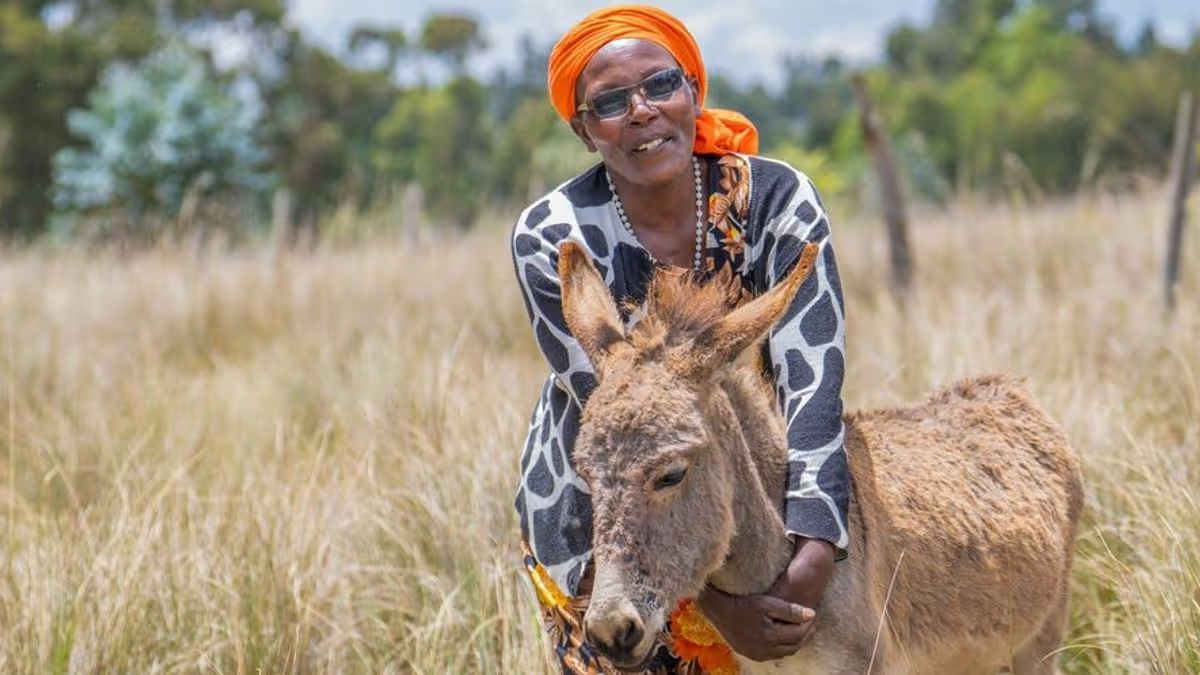
The human cost of this trade is profound and heartbreaking, stripping some of the world’s most vulnerable communities of their livelihoods and stability. In rural Africa, donkeys are not pets but essential partners in survival; they are the tractors, trucks, and lifelines for countless families. They haul water over long distances, transport goods to market, and enable access to farmland. The theft of a single donkey can plunge a household into immediate crisis. Beth Wambui, a 50-year-old dairy farmer and mother of five from Kenya, describes this loss with devastating clarity. After her donkey was stolen and found slaughtered nearby for its skin, she said, “I felt helpless… like someone had cut off my hands. Right now, I am just struggling, my income is gone.” Her story is not an isolated incident but a recurring tragedy, as criminal networks steal and brutally kill these animals, often bludgeoning them with clubs or skinning them alive to harvest their hides for export.
Despite the African Union instituting a continent-wide ban on slaughtering donkeys for their skins in 2024, the illegal trade continues to flourish, driven by relentless international demand. China, where ejiao originates as a traditional medicine, has seen its own donkey population decimated, forcing the industry to source hides from overseas. This has turned parts of Africa into a hunting ground, where the high price per skin fuels a wave of theft and corruption. Dr. Raphael Kinoti, director of the charity Brooke: Action for Working Horses and Donkeys in East Africa, issues a stark condemnation, stating that consumers who purchase these products become “an accomplice to a trade that is depriving people of their livelihoods.” He connects the dots directly from an online purchase to profound suffering: “You are becoming part of an illegal gang that is stealing donkeys in Africa, pushing tens of thousands of people into abject poverty.”
Alarmingly, these controversial ejiao products are readily available to global consumers with a few clicks. An investigation found them sold by third-party vendors on major online platforms like Amazon in the UK, marketed as nutritional snacks, powders, or teas. Listings promote benefits such as being “rich in nutrition,” with prices ranging from around £16 to £19 per item. This easy accessibility exists despite clear warnings from authorities like the UK Food Standards Agency (FSA), which classifies ejiao as an unregulated and unauthorized product. The FSA explicitly advises people not to buy it and recommends that items containing ejiao should not be allowed into the country, calling for strict import audits. The continued sale of these items highlights a significant gap in regulation and corporate responsibility for the supply chains of products sold on major e-commerce sites.
The cruelty inherent in this trade is matched only by its devastating ecological and economic impact. The slaughter is occurring at a rate far beyond what natural populations can sustain, threatening to render donkeys extinct in entire regions of Africa. This loss would create a cascading disaster, as Dr. Kinoti notes, depriving women of a critical labor-saving animal, stripping young men in cities of their transport livelihoods, and even depriving children of their education when families can no longer afford school fees without the income a donkey provides. The crisis has drawn high-level attention, with Queen Camilla witnessing the work of Brooke firsthand during a visit to a donkey sanctuary in Nairobi in 2023, underscoring the severity of the situation.
Confronting this crisis requires a united front of consumer awareness, corporate accountability, and strengthened enforcement. Charities like Brooke are on the ground fighting the trade, supporting communities, and advocating for protection. The final plea from those on the frontline is direct and urgent. As Dr. Kinoti urges, “Cruelty like this cannot be ignored… stopping it will take all of us. Please don’t buy these products.” Every ejiao product purchased, regardless of its marketed promise, perpetuates a cycle of theft, brutal slaughter, and human impoverishment. The path to ending this vile trade begins with recognizing the profound life behind a label and choosing to reject a “miracle cure” that creates nothing but misery.