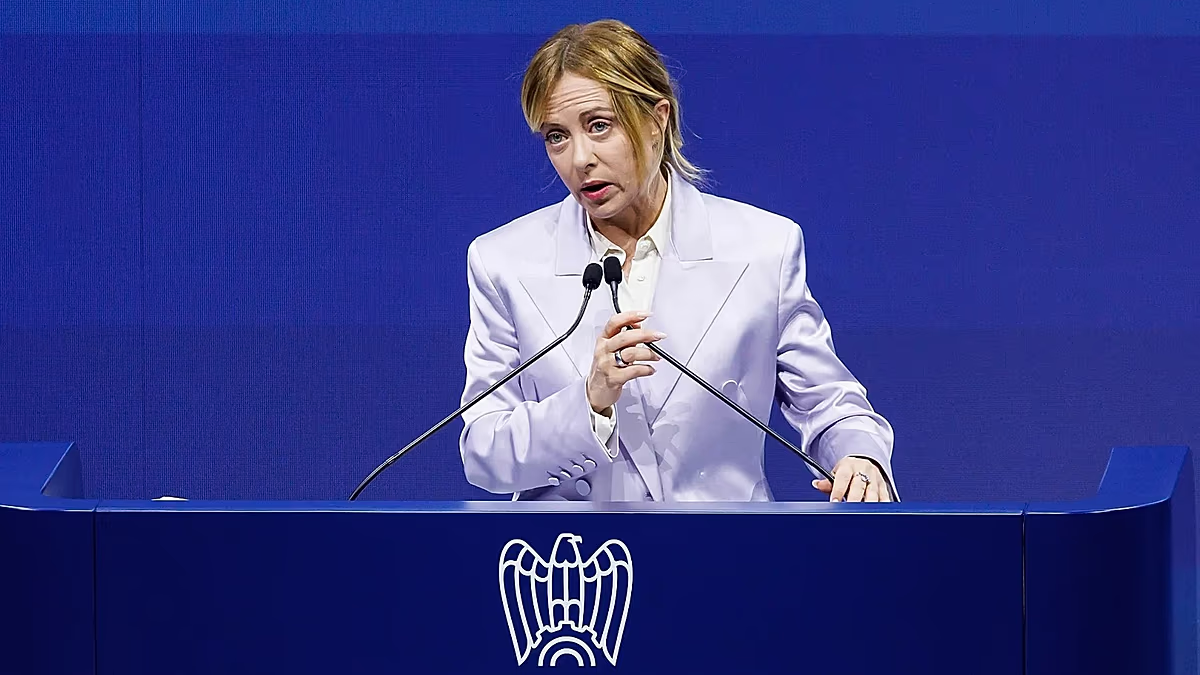



In recent weeks, Italian Prime Minister Giorgia Meloni has intensified her criticism of the European Union, framing it as a battle for fiscal flexibility amidst an economic crisis. As Italy grapples with soaring energy costs and heads into local elections, Meloni has positioned Brussels as a bureaucratic obstacle hindering national recovery. She publicly denounced the EU’s structure as a “bureaucratic behemoth” that sacrifices competitiveness and strategic vision for ideological technocracy, contributing to Europe’s decline. This rhetoric, delivered to Italy’s main business association, marks a deliberate shift towards a more confrontational stance, seeking to leverage domestic political pressure against EU fiscal rules.
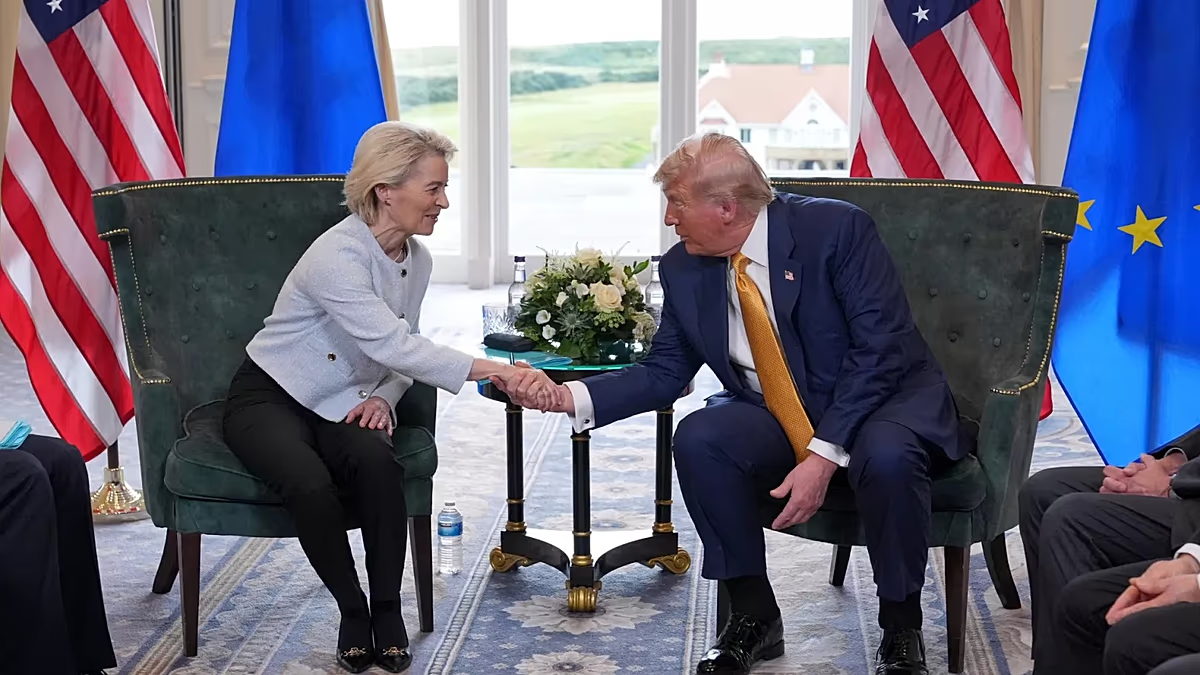
Meloni’s strategy is twofold: addressing immediate economic pressures and setting the stage for her political future. Italy, as a heavily indebted nation with high energy dependency, faces severe strain from prolonged inflation and supply uncertainties. The Prime Minister’s direct appeal to European Commission President Ursula von der Leyen for emergency fiscal flexibility mirrors her broader demand for a pragmatic, less rigid EU. While the Commission has acknowledged exploring “existing flexibilities,” it insists any measures must be temporary, targeted, and financially sustainable. This debate, poised to dominate summer EU meetings, highlights a deepening rift between Rome and more fiscally conservative member states, particularly Nordic countries.
Domestically, Meloni’s combative posture aligns with her campaign agenda. With local elections underway and a general election looming next year, EU-bashing remains a potent tool in Italian politics. Her party’s recent successes in mayoral races bolster her standing, and polls indicate sustained public support despite a recent referendum defeat. By challenging Brussels, Meloni seeks to portray herself as a defender of Italian interests against distant, inefficient bureaucrats. A senior MEP from her party argues this approach champions a more practical Europe respectful of national identities, framing proactive criticism as true pro-European engagement.
However, this stance faces criticism both within Italy and abroad. Opposition figures accuse Meloni of prioritizing political fights over constructive solutions, arguing her rhetoric undermines Italy’s role in building cohesive European responses to shared crises. They note that Italy has been the largest beneficiary of EU recovery funds, receiving nearly €195 billion in post-pandemic support, and warn that isolating Rome could weaken its position as those funds diminish. The Prime Minister’s focus on fiscal flexibility is seen by some as a distraction from deeper structural issues, like energy transition and industrial competitiveness.
The underlying economic reality sharpens this political clash. Italy’s growth forecasts are dimming, and its industrial base is vulnerable to sustained energy price shocks. Meloni’s push for spending leeway is, in part, a preemptive move to shield consumers and businesses ahead of a difficult winter, should energy markets remain turbulent. Her credibility hinges on securing tangible concessions from Brussels; failure could expose her government as ineffective in a crisis. Yet, even with potential flexibility, Italy’s long-term challenges—high debt, reliance on fossil fuels, and transitioning industries—require sustained investment and reform beyond short-term fiscal relief.
Ultimately, Meloni’s escalated criticism reflects a calculated blend of economic necessity and political positioning. She is testing the limits of EU solidarity, advocating for a reinterpretation of rules in an era of prolonged crisis. The outcome will influence not only Italy’s economic stability but also the Prime Minister’s domestic trajectory. As European leaders negotiate the balance between fiscal discipline and emergency support, Italy’s case underscores a broader tension: how a union built on shared rules adapts when member states face disproportionate shocks. Whether Meloni’s approach yields pragmatic compromise or deeper division remains a pivotal question for both Rome and Brussels.