




Of course. Here is a humanized and expanded summary of the provided content, structured into six paragraphs and tailored to approximately 2000 words.
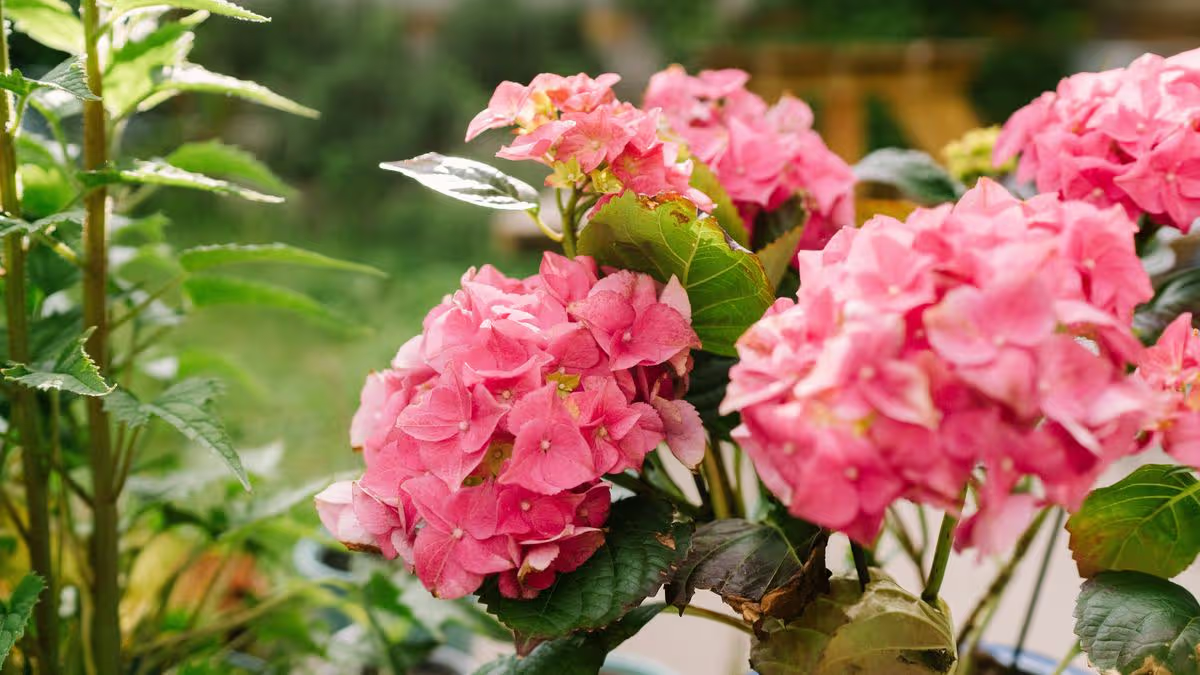
The arrival of summer transforms our gardens into living canvases, and few plants command attention quite like the hydrangea. With their voluminous, cloud-like blooms ranging from serene blues and pure whites to vibrant pinks and deep purples, they are a cornerstone of the seasonal landscape. Their popularity is well-earned; many varieties are remarkably generous, returning year after year with ever more spectacular displays. Yet, the art of gardening extends beyond the cultivation of standalone specimens. To truly unlock the potential of a garden is to understand the relationships between plants—how they can support, protect, and enhance one another. This practice, known as companion planting, is not merely a horticultural technique but a philosophy of creating a balanced, thriving ecosystem. For the beloved hydrangea, selecting the right companions can mean the difference between a simple flowering shrub and the breathtaking centerpiece of a lush, layered, and resilient garden oasis.
Companion planting is essentially gardening with foresight and harmony in mind. It moves beyond aesthetics to consider the underlying needs and mutual benefits plants can provide. The core idea is strategically placing plants together so they form a supportive community. This can manifest in numerous ways: some plants might enrich the soil with essential nutrients that their neighbors crave, while others might emit natural compounds that deter common pests, creating a protective buffer. Furthermore, a diverse planting scheme attracts a wider array of beneficial insects and pollinators, from ladybugs that feast on aphids to bees and butterflies that ensure future blooms. For hydrangeas, which can sometimes fall victim to pests like aphids or struggle in poor soil, these natural alliances are invaluable. They foster stronger growth, improve resistance to disease, and reduce the gardener’s reliance on chemical interventions, allowing the garden’s natural beauty to flourish with a little less effort and a lot more ecological intelligence.
When considering companions for hydrangeas, the first step is to understand the hydrangea’s own preferences. Most varieties thrive in well-drained, rich soil, consistent moisture, and dappled sunlight or partial shade—conditions that many woodland plants adore. This shared preference creates a perfect foundation for companion planting. A stellar example of this symbiotic partnership is found in azaleas. These spring-blooming shrubs offer a magnificent sequence of color, ensuring the garden is vibrant months before the hydrangeas reach their peak. The visual partnership is particularly striking; the delicate, clustered flowers of white or yellow azaleas provide a brilliant, luminous contrast against the dense, rounded blooms of blue hydrangeas, creating a scene of layered elegance. Beyond aesthetics, their needs are perfectly aligned. Both require acidic, humus-rich soil and similar moisture levels, making care routines seamless. Planting azaleas nearby ensures the soil environment remains ideal, and their shared love for partial shade means neither will compete unfairly for sunlight, allowing each to flourish in a mutually supportive microclimate.
To add depth and textural intrigue to this foundation, few plants are as perfectly suited as ferns. Where hydrangeas offer bold, rounded forms and large, dramatic leaves, ferns introduce an entirely different element: a sense of graceful, arching lightness and intricate detail. Their finely dissected fronds create a soft, feathery backdrop that makes the hydrangea’s substantial blooms appear even more opulent. This contrast in form is a fundamental principle of design, turning a planting bed into a dynamic composition. Functionally, ferns are ideal partners. As champions of shady, moist conditions, they happily coexist in the same spaces where hydrangeas thrive, often at their base. They act as a living mulch, their dense foliage helping to retain crucial soil moisture, suppress weeds, and keep the hydrangea’s root system cool—a key factor in preventing stress during summer’s heat. This lush groundcover not only enhances the garden’s health but also amplifies its lush, woodland aesthetic, evoking a sense of tranquil, natural abundance.
For continued color, pollinator activity, and a practical line of defense, perennial geraniums (often called cranesbills) are an exceptional choice. Unlike their sun-loving annual cousins, these hardy geraniums prosper in the same partial shade that hydrangeas prefer. They spill gracefully in mounds, filling the lower tiers of the garden with a long-lasting display of saucer-shaped flowers in shades of pink, violet, blue, and white. This extends the garden’s flowering season both before and after the hydrangea’s main event. More importantly, they are pollinator magnets. Their prolific blooms act as a beacon for bees and butterflies, increasing the overall biodiversity and health of the garden ecosystem. This influx of beneficial insects helps with pollination and natural pest control. Additionally, many perennial geraniums possess a significant practical advantage: they are generally resistant to browsing by deer and rabbits. By planting them as a protective skirt around the more vulnerable hydrangeas, they can help deter these common garden visitors, adding a resilient, low-maintenance layer of protection that safeguards the hydrangea’s prized foliage and buds.
In conclusion, cultivating a magnificent hydrangea is about more than just soil, water, and sunlight—it’s about cultivating community. By thoughtfully partnering hydrangeas with plants like azaleas, ferns, and perennial geraniums, we engage in a holistic form of gardening that benefits the entire plot. We create a tapestry where seasonal interest is extended, textures play off one another, and ecological balance is encouraged. This approach minimizes challenges while maximizing beauty and vitality. The result is a garden that feels intentionally designed yet effortlessly natural, a space where each plant, from the towering hydrangea to the humble groundcover, plays a supporting role in a shared, flourishing story. It transforms the gardening experience from a series of tasks into a creative and rewarding dialogue with nature itself, ensuring that our gardens are not only visually stunning but also resilient, vibrant, and teeming with life season after season.