


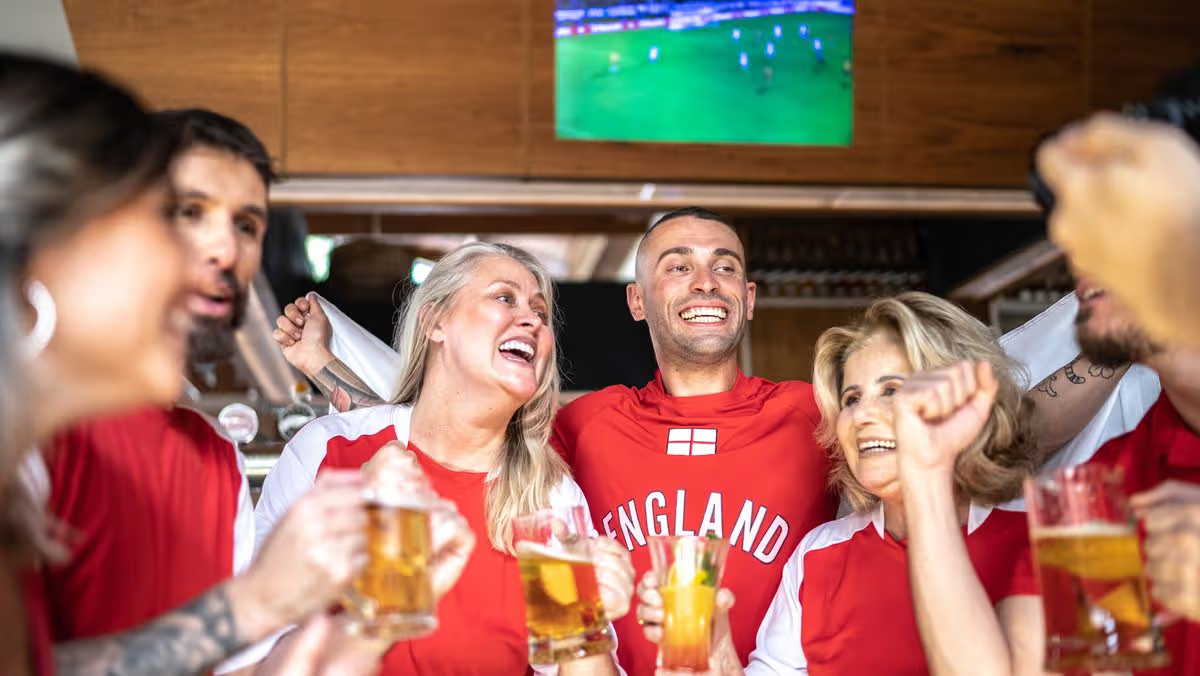
As England prepares for its opening World Cup clash against Croatia tomorrow night, the nation is buzzing with anticipation for what promises to be the biggest sporting event of the year. A new survey reveals that an estimated 22 million people across the UK are planning to tune in and cheer on the Three Lions as they kick off their campaign in Texas. With later kick-off times and extended opening hours for many venues, a significant quarter of fans intend to immerse themselves in the communal party atmosphere, heading to pubs or official fan zones. This tournament, marking a return to the traditional summer schedule after the winter edition in 2022, has generated particular excitement, with many reporting they are more eager for this World Cup than the last. While just over half of supporters will watch the first game from the comfort of their own homes, and one in five will gather at the houses of friends or family, the data suggests a nation ready to engage passionately with the beautiful game once more.
The survey, conducted by the taxi and private hire vehicle company Veezu, has also pinpointed the UK city expected to be the epicenter of activity for this inaugural match: Manchester. A full third of residents in Manchester reported plans to watch the game at a pub or fan zone, setting the stage for a vibrant and crowded night out. Close behind in second place is Sheffield, where 32% of locals plan to head out, demonstrating the northern cities’ strong football culture. In a perhaps surprising turn, Cardiff claims third place, with over 30% of Welsh residents planning to go out to watch the England match—though the survey tactfully notes they did not specify which team they would be supporting. This highlights the tournament’s power to draw in audiences beyond national loyalties, simply for the love of the event.
The list of cities gearing up for a bustling evening extends well beyond the top three. Southampton (29%), Leeds (28%), and London (27%) are all poised for significant crowds, followed closely by Nottingham, Birmingham (both at 26%), and Liverpool (25%). This geographical spread illustrates the nationwide scope of World Cup fever, with major urban centers from England and Wales preparing to welcome throngs of fans. The common thread is a desire for shared experience, moving the viewership from private living rooms into public spaces where the collective tension, joy, and despair of the match can be felt and amplified by the crowd.
Beyond the logistics of where people will watch, the survey captures a palpable sense of optimism, particularly among younger generations. Forty percent of all respondents believe England can go all the way and win the World Cup. This confidence is most pronounced among Millennials and Gen Z, with nearly 60% and 56% respectively backing England to lift the trophy. This contrasts sharply with the more cautious outlook of those aged 55 and over, among whom only 27% are predicting an English victory. This generational divide likely reflects the differing weight of footballing history; older fans carry the memories of decades of near-misses and heartache, while younger supporters are perhaps buoyed by the relative success of recent tournaments and a more perennial hope.
The preferred setting for a potential championship celebration further underscores the social nature of this event. When asked where they would want to be if England (or their chosen team) were to win, 40% of respondents declared they would not want to be at home alone. Instead, they crave a shared moment, with 22% specifically selecting the pub as their ideal venue for celebration. This aligns with the broader finding that a quarter of those surveyed are most looking forward to the social aspect—the chance to bond with family and friends over the games. Furthermore, about three in ten adults are excited by the prospect of increased community spirit across the country, and one in five eagerly anticipates the uniquely “buzzy atmosphere” that is set to transform pubs nationwide throughout the tournament.
In summary, the data paints a picture of a nation eagerly embracing the World Cup as a major communal festival. Sally Krouma, a spokesperson for Veezu, aptly summarized the sentiment: “The tournament has always been about more than football, it’s about bringing people together.” She notes that the survey shows millions choosing to enjoy the games socially, out in their communities. As England braces for that first whistle against Croatia, it’s clear that the action on the pitch in Texas will be mirrored by a nationwide wave of gatherings, camaraderie, and shared passion, from the busy streets of Manchester to pubs across Cardiff, reaffirming football’s enduring role as a powerful social unifier.