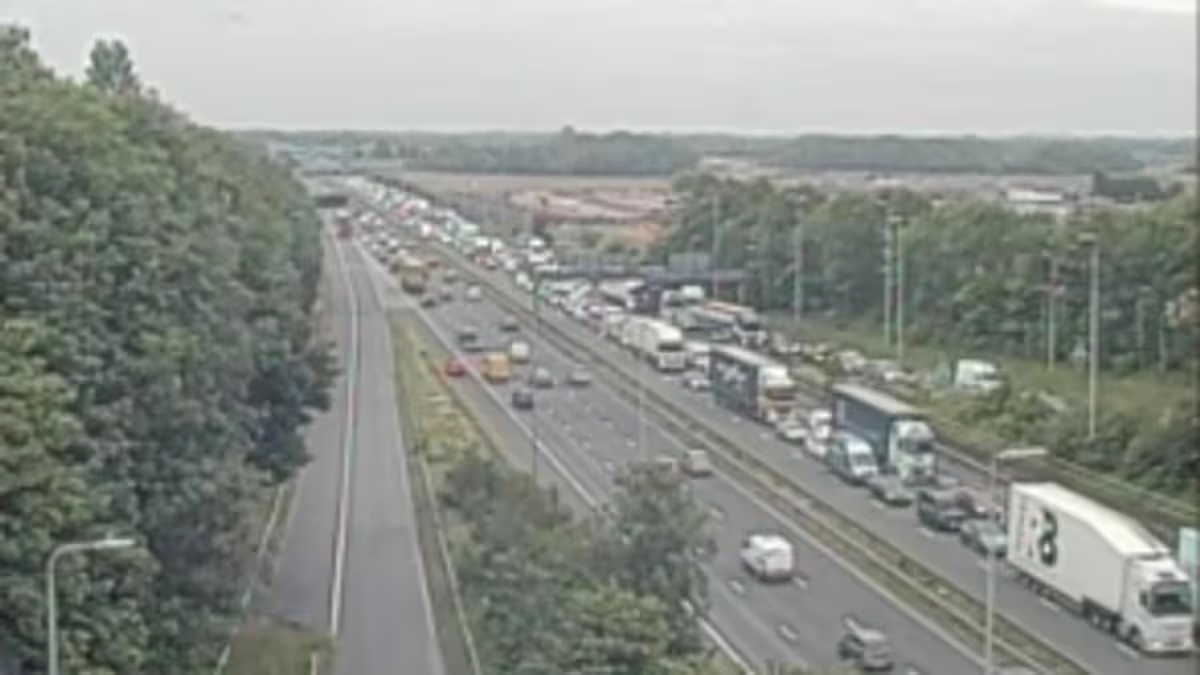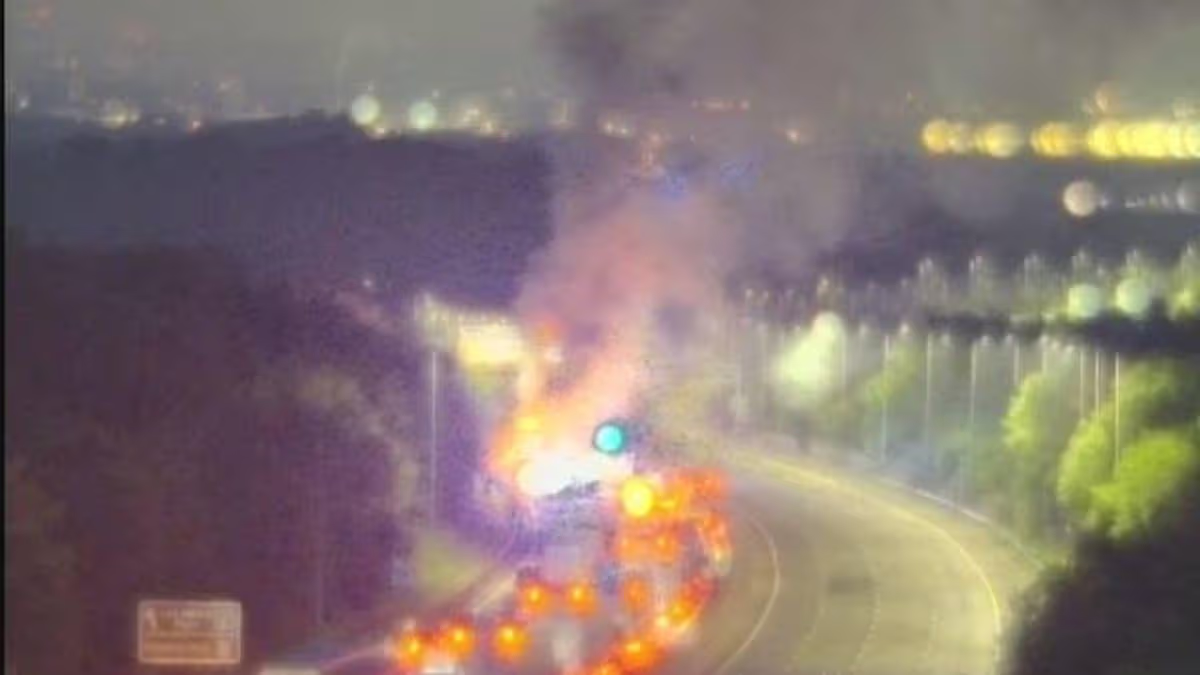
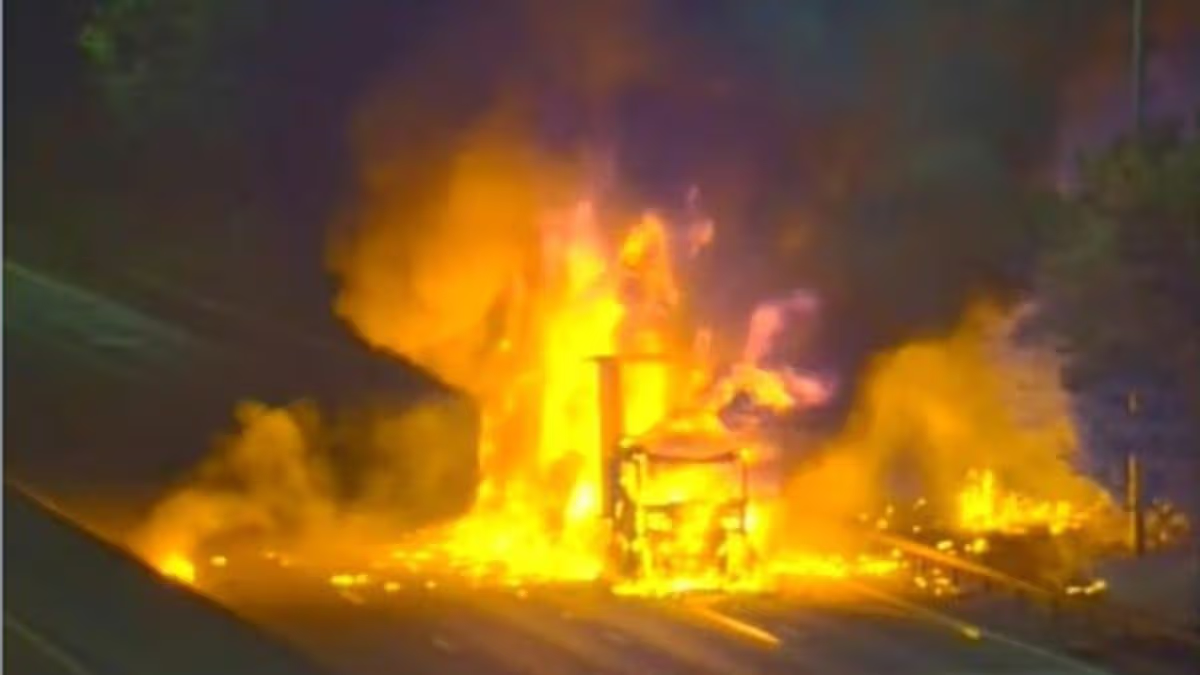


A major incident has effectively severed one of the United Kingdom’s most critical motorway arteries. The M25, the bustling orbital motorway encircling London, is currently closed in both directions between junctions 26 and 28 in Essex following a severe collision involving multiple heavy goods vehicles. The incident, which occurred in the early hours, has resulted in a large and intense fire, creating a scene of significant disruption and danger. Adding to the chaos, a separate, unrelated incident has necessitated a full closure between junctions 27 and 26, meaning the entire stretch from J28 to J26 is now impassable. This dual closure has created a substantial blockage on this vital stretch of road, causing extensive delays and compelling drivers to seek lengthy alternative routes through the surrounding county network.
Emergency services responded with considerable force to the dangerous scene. Essex Police are leading the investigation at the location, with National Highways Traffic Officers present to manage the severe traffic repercussions. The aftermath of the collision and subsequent fire is described as severe, with the intense blaze causing substantial damage to the vehicles and the road surface itself. The primary focus for all crews on site is safety—ensuring the scene is secure for investigators and that the wreckage, once cooled, can be safely removed. Currently, all traffic that was trapped between the incident site and the nearest junctions has been carefully extracted, a complex task given the scale of the blockage and the proximity of the fire.
The process of clearing this major incident is methodical and will be lengthy. Essex Police accident investigation teams are meticulously working at the scene to gather essential evidence before the two gutted HGVs can be recovered. This forensic work is crucial for understanding the cause of the collision but inevitably extends the duration of the closure. Following the departure of the investigators and the removal of the vehicle wreckage, a full assessment of the road surface and infrastructure must be conducted. The intensity of the fire raises serious concerns about potential damage to the road itself, including the integrity of the tarmac and any safety barriers or signage in the vicinity.
Consequently, National Highways has stated that significant repairs or clean-up operations are likely to be required before the M25 can be safely reopened. The scale of these necessary works cannot be understated; they may involve resurfacing lanes, repairing damaged safety barriers, and replacing melted road markings or signage. At this early stage, with the investigation ongoing and the full extent of the damage yet to be determined, authorities cannot provide any estimated timeframe for reopening. The public is advised that the closure is expected to remain in place for a considerable period, certainly throughout the day and potentially longer, until all safety-critical repairs are completed.
The impact of this closure on regional and national travel cannot be overstated. The M25 is a fundamental component of the UK’s transport network, used by tens of thousands of vehicles daily for commuting, freight movement, and cross-country travel. The blockage between J26 and J28 is causing severe congestion on the official diversion routes, which guide traffic onto already busy A-roads through Essex. This is leading to widespread disruption across the county’s road network, with knock-on delays affecting journeys far beyond the immediate motorway section. Hauliers, in particular, face major logistical challenges, with critical deliveries delayed and supply chains disrupted.
For the travelling public, the advice from authorities is unequivocal: avoid the area entirely unless your journey is absolutely essential. Drivers already caught in the disruption are urged to exercise patience and follow the direction of traffic officers and clearly signed diversions. Those planning journeys should check live traffic updates from National Highways and travel news services before setting out, and seriously consider postponing travel if possible. The message is clear: this is not a short-term obstruction but a major incident requiring extensive recovery, and the road will remain closed for as long as it takes to ensure it is safe for the millions who rely on it. The situation underscores the fragility of our interconnected transport systems and the widespread consequence when a key junction in that network is forced offline.