
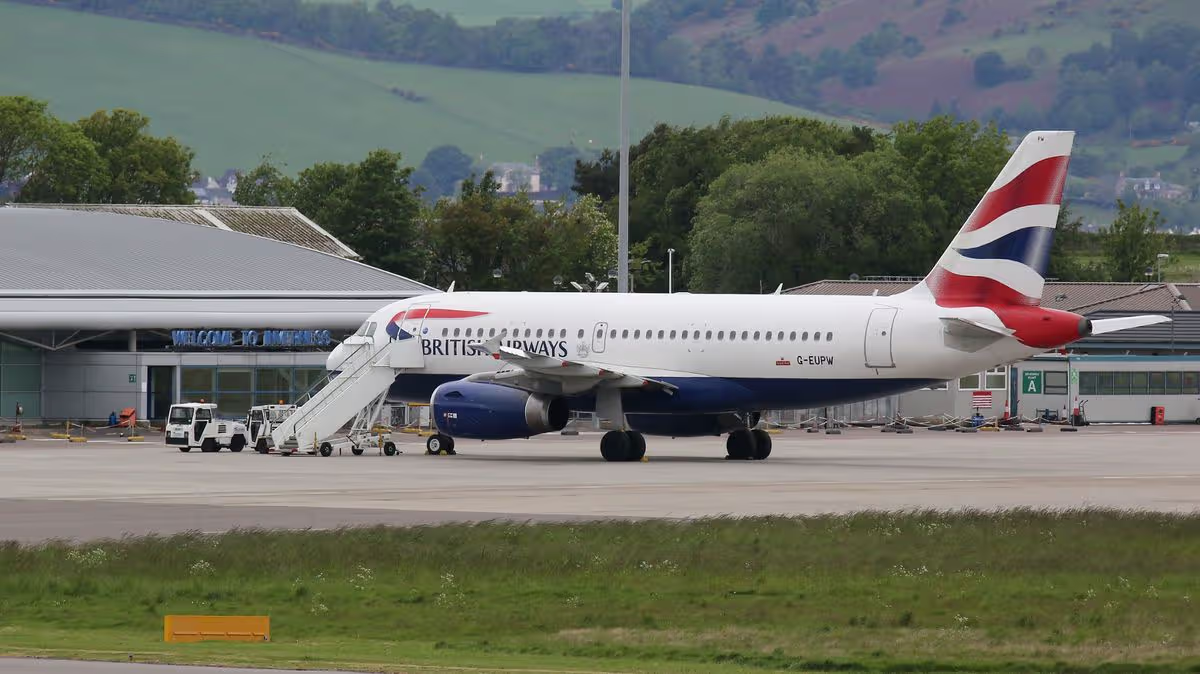


A recent series of disruptions at Inverness Airport has left travelers frustrated and highlighted the delicate balance of regional air travel. The latest incident, involving a canceled KLM service, follows two other flight cancellations at the airport just last week, which collectively impacted approximately 200 passengers. This pattern underscores how a single hiccup in the tightly choreographed ballet of air travel can create significant ripple effects, particularly for a hub like Inverness that serves as a critical gateway to the Scottish Highlands. For communities reliant on these connections, each cancellation is more than an inconvenience; it represents a severed link to international business, family, and tourism networks, emphasizing the profound reliance on these vital air bridges.
The specific chain of events began on the evening of June 10th. A KLM flight scheduled to depart from Amsterdam Schiphol at 9:50 PM and arrive at Inverness Airport by 10:30 PM was abruptly grounded. This cancellation did not merely affect that night’s passengers; it had an immediate and inevitable consequence for the following day’s schedule. The aircraft that was supposed to overnight in Inverness and then operate the early morning return service was not in position. Consequently, the key morning connector flight from Inverness back to Amsterdam, scheduled for a 6:25 AM departure, also failed to operate. This domino effect illustrates the inherent vulnerability of regional routes that often rely on a single aircraft performing a round-trip “shuttle” service, where a problem at any point breaks the entire cycle.
In response to inquiries about the dual cancellation, a spokeswoman for KLM attributed the grounding to “a technical problem.” While this standard industry explanation is factual, it encompasses a vast range of potential issues, from minor maintenance alerts that must be addressed for safety to more significant mechanical faults. For the stranded passengers, the technical cause is often secondary to the practical ramifications. The cancellation of both the inbound and outbound legs meant that travelers in both the Netherlands and Scotland saw their plans upended. Some were likely embarking on holidays, others traveling for business, and many may have been connecting to KLM’s extensive global network via Schiphol, facing disruptions that extended far beyond the Scottish Highlands.
The human impact of such cancellations is profound and multifaceted. Passengers in Inverness counting on the early morning flight for a day of meetings in Amsterdam, or a timely connection to a long-haul destination, were suddenly tasked with seeking alternative arrangements. Given Inverness’s size, rebooking options are not as plentiful as from major hubs, potentially forcing travelers onto lengthier train journeys to Edinburgh or Glasgow airports. Conversely, visitors looking forward to a Highland holiday found their arrival delayed by at least a day, affecting hotel bookings, car rentals, and planned itineraries. The stress of last-minute logistics, coupled with the financial and emotional toll, turns a routine journey into an ordeal, testing patience and loyalty.
This incident does not occur in isolation. Coming on the heels of two other cancellations at the airport the previous week, it points to broader challenges facing regional aviation. Airlines operate on razor-thin margins, and regional aircraft fleets can be stretched thin, with little redundancy to absorb technical or operational setbacks. For an airport like Inverness, each canceled flight represents a significant portion of its daily traffic, magnifying the local economic and community impact. The recurring nature of these events prompts questions about resilience and contingency planning, not just for the airlines, but for the airport and the region it serves, which depends on reliable air links for its economic vitality and connectivity.
Ultimately, the story of these canceled flights is a microcosm of modern travel—a blend of sophisticated logistics and inherent fragility. While KLM’s technical explanation is a reminder of the uncompromising safety standards that rightly govern aviation, the aftermath is a very human story of disrupted plans and adapted journeys. For the Highlands, ensuring the reliability of these air connections is paramount. As the industry navigates post-pandemic recovery, operational pressures, and the push toward sustainability, the needs of regional passengers must remain a clear priority. The goal must be to transform these incidents from a recurring frustration into a rare exception, preserving Inverness’s vital role as a welcoming and well-connected gateway to one of the world’s most majestic landscapes.