


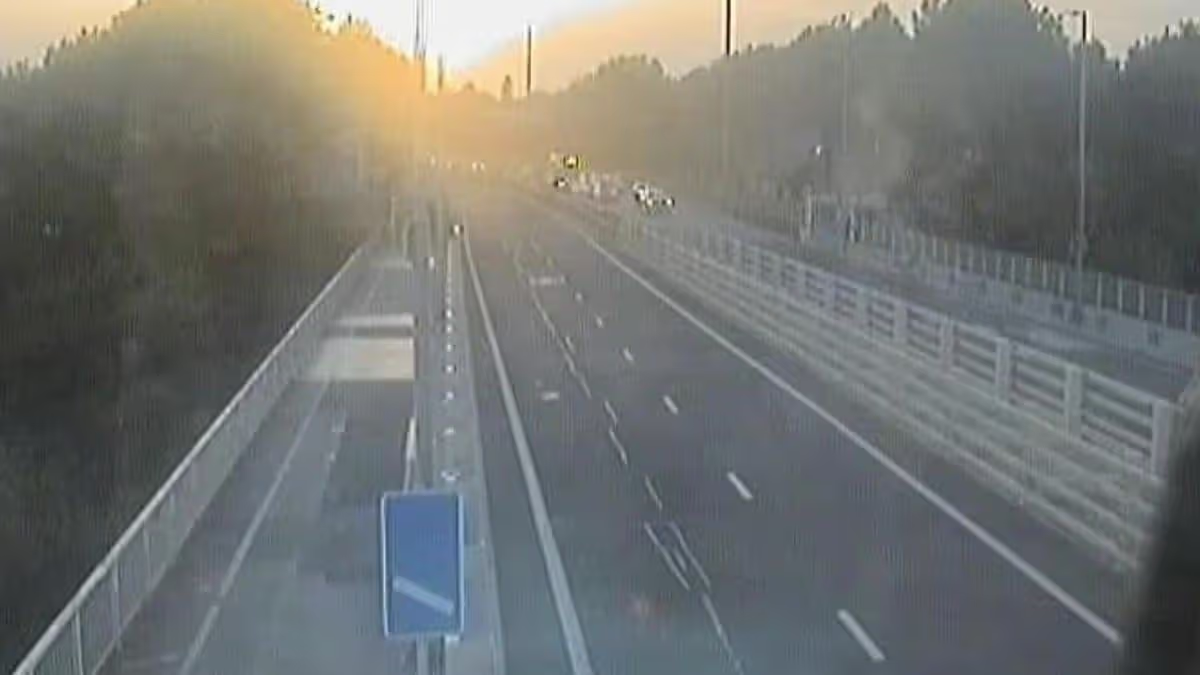
The Severn Bridge Stands Silent: A Night of Disruption on the M48
The familiar, constant hum of tires against tarmac has fallen silent over one of Britain’s most iconic river crossings. The M48 Severn Bridge, a vital artery connecting England and South Wales, is currently closed, its lanes empty and its towering cables standing sentinel over a stilled estuary below. What began as a police-led incident has escalated into a major transportation shutdown, with authorities now warning that the vital link may not reopen until the early hours of tomorrow morning. For the countless commuters, hauliers, and travellers who depend on this structure, the closure has transformed a routine journey into a night of significant delay and logistical headache, underscoring just how fragile our interconnected infrastructure can be.
The Ripple Effects of an Unplanned Closure
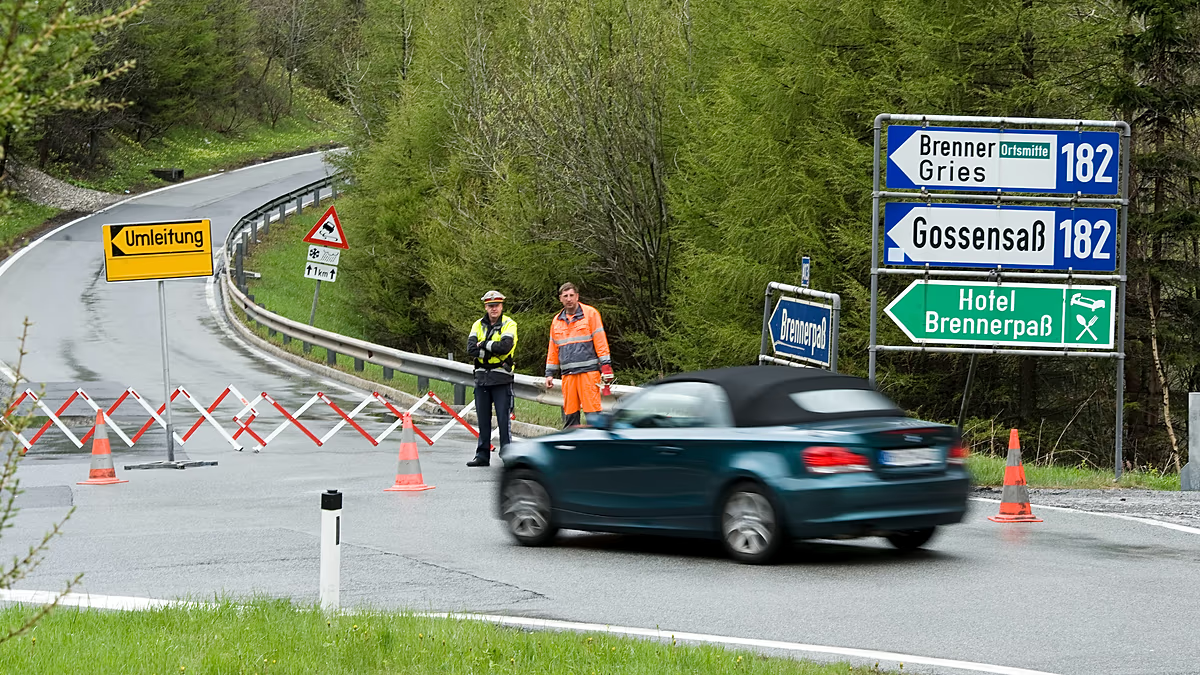
The impact of such a closure is immediate and far-reaching. The Severn Bridge is not merely a piece of engineering; it is a crucial economic and social lifeline. With the bridge out of action, all traffic is being forcibly diverted to the newer Prince of Wales Bridge, the M4’s primary crossing, which is now bearing the full, crushing weight of the region’s traffic. Social media feeds and traffic alert apps are alight with images of solid red lines stretching for miles, as tailbacks build on approach roads in both Gloucestershire and Monmouthshire. Each stranded vehicle represents a personal story of disruption: a family returning home late from a holiday, a shift worker anxious about getting to their job, a delivery driver facing costly delays. The closure is a stark reminder that when one key piece of the network fails, the strain on alternatives is immense and felt by all.
Navigating the Uncertainty: Official Guidance and Patience Required
In the face of this unfolding situation, the message from National Highways, the body responsible for England’s motorways, is one of caution and managed expectation. Their latest update provides a timeframe, but not a guarantee, stating: “The event is expected to clear between 00:45 and 01:00 on 29 May 2026.” This careful language highlights the unpredictable nature of the ongoing incident, which remains under the control of the police. While details of the original cause are typically scarce in the early stages, the priority for all emergency services is the safety and welfare of all involved. For the public, the instruction is clear: avoid the area entirely, plan for substantial delays if travel is absolutely necessary, and allow extra hours for any journey that would normally involve this critical route.
The Human Cost Beyond the Congestion
Beyond the inconvenient traffic statistics lies a more human narrative. Picture the paramedics on the other side of the bridge, their route suddenly lengthened, navigating unfamiliar diversion routes in a race against time. Consider the local businesses near the alternate crossing, perhaps seeing an unexpected late-night surge in weary customers, or conversely, those near the closed bridge experiencing a sudden drop in passing trade. Families waiting for loved ones are left checking their phones for updates, their anxiety growing with each passing minute. The closure is more than an infrastructure issue; it is a shared experience of waiting and frustration for thousands of people, each with their own plans upended by circumstances entirely beyond their control.
A Historical Lifeline Temporarily Halted
The enforced stillness of the bridge tonight offers a strange, momentary glimpse into the past. Before the first Severn Bridge opened in 1966, the estuary was a formidable barrier, with crossings dependent on ferries or a long detour upstream. The bridge, and later its sibling, revolutionised life and commerce in the region. To see it now, empty and quiet, is a jarring sight. It momentarily reverses decades of progress, forcing a return to a slower, more fragmented mode of travel. This historical perspective perhaps makes the current inconvenience easier to bear, a reminder of the ordinary miracle of the crossing we usually take for granted as we speed across it, often barely glancing at the majestic views it affords.
Looking Ahead to a Return to Normalcy
As the night progresses towards the estimated resolution time, the hope is for a safe and swift conclusion to the police incident. The focus will then shift to the complex process of safely reopening the bridge, checking its infrastructure, and finally releasing the pent-up traffic. When the barriers are lifted and the first cars are allowed across, it will mark the end of a disruptive chapter, but the memory of tonight’s gridlock will linger. It serves as a powerful lesson in the interconnectedness of our transport systems and the quiet resilience required of everyday people when plans go awry. For now, the communities on both sides of the Severn wait, adapting as best they can, looking forward to the moment when their steel-grey lifeline hums back to life, reconnecting Wales and England once more.