An Unprecedented Threat: The UK Braces for a Historic and Dangerous Heatwave
British authorities have raised the alarm to its highest possible level, issuing only the nation’s second-ever ‘Red’ heat-health alert, as a potentially record-breaking heatwave bears down on the country. The UK Health Security Agency (UKHSA) has warned that forecast temperatures, predicted to soar to 38°C (100.4°F) this week, pose a severe risk to life, even for healthy individuals. This stark alert transcends public health, explicitly flagging significant dangers to the nation’s critical infrastructure, including transport networks and the supply of food, water, and energy. The situation underscores a dramatic escalation in the severity of summer weather events in the UK, moving beyond discomfort to a genuine national emergency.
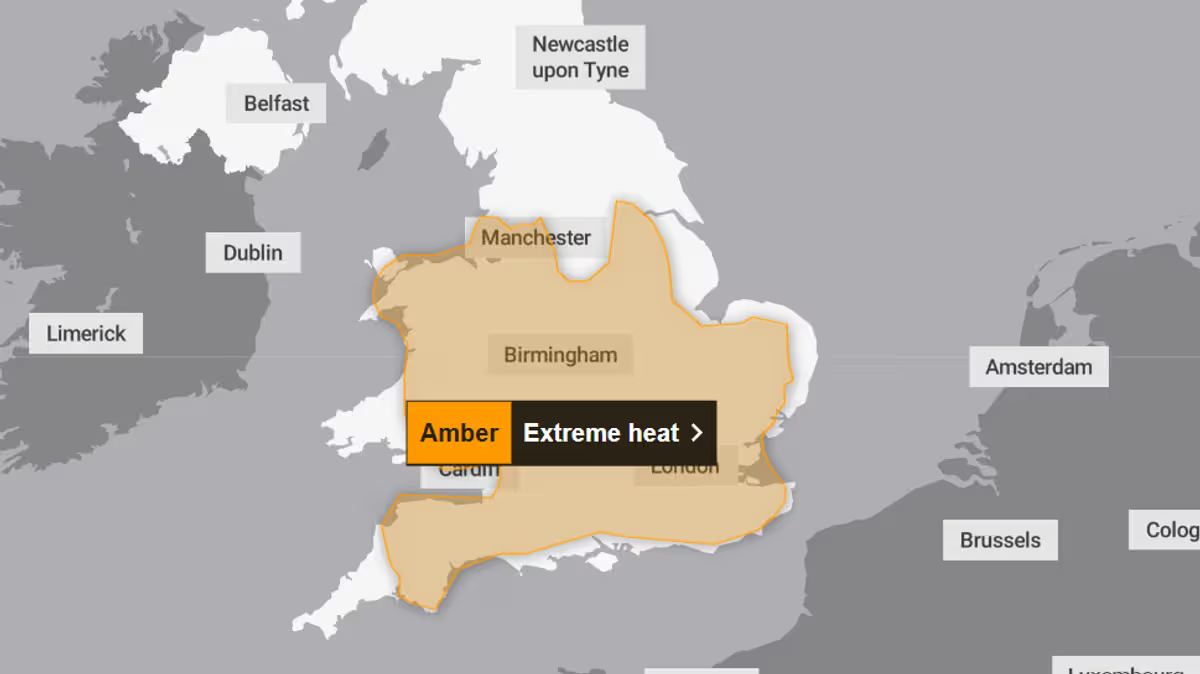
The alert is geographically sweeping, placing six English regions—London, the East of England, the South East, South West, East Midlands, and West Midlands—under the critical ‘Red’ classification from Wednesday through Thursday. An ‘Amber’ alert, still signalling considerable risk, covers the North West, North East, and Yorkshire and the Humber. Health chiefs have directed NHS and social care services to urgently enact preparedness plans. Dr. Agostinho Sousa of the UKHSA emphasised the gravity of the forecast, urging both services and the public to comprehend the exceptional danger. The declaration of a Red alert signifies an acknowledgment that the heat’s impacts will ripple far beyond hospitals and care homes, potentially straining the very foundations of daily life and commerce.
At the core of the warning is a dire message of personal risk. The UKHSA stresses that during such an extreme event, the entire population is vulnerable. The agency has disseminated clear, vital guidance for staying safe. Key advice includes keeping homes cool by closing blinds on sun-facing windows, drinking plenty of water while avoiding alcohol, and strenuously avoiding the sun during the peak heat hours of 11am to 3pm. For those who must venture out, recommendations are to cover up with hats and sunscreen, seek shade, and carry water. Crucially, the guidance highlights a communal responsibility to protect the most vulnerable, urging the public to check on elderly neighbours, those living alone, and people with pre-existing health conditions.
The human element of this crisis cannot be overstated. Simple acts become matters of safety: ensuring medicines are stored correctly in cooling homes, never leaving children or pets in vehicles even momentarily, and avoiding strenuous activity during the day. The alert also extends to leisure, advising caution around water for those seeking to cool down. This comprehensive list of precautions paints a picture of a daily life profoundly disrupted by the heat, where routine decisions require careful thought for personal and collective wellbeing. It transforms the summer sun from a welcome guest into a hazardous force to be actively managed and mitigated.
This health crisis unfolds alongside a major meteorological event. The Met Office has extended its own extreme heat warning, with temperatures expected to challenge the UK’s all-time June record of 35.6°C. The prediction of 38°C or 39C signals not just a hot spell, but a historic climatic moment. The convergence of the Met Office’s amber weather warning and the UKHSA’s top-tier health alert creates a powerful, unified message from the nation’s leading scientific and health bodies: this is an exceptional and perilous situation.
Ultimately, this second-ever Red alert serves as a sobering milestone. It is a testament to the escalating intensity of heatwaves in a changing climate and a rehearsal for a future where such events may become more frequent. The coming days will test the resilience of the British public, its health services, and its infrastructure. Success will hinge on heeding the stark warnings, embracing both personal caution and community spirit, and understanding that in such extreme heat, vigilance and care are the most essential tools for survival. The nation’s focus must now shift from forecast to action, as it prepares to endure an unprecedented test of its summer resilience.