


Paragraph 1: A Historic and Dangerous Heatwave
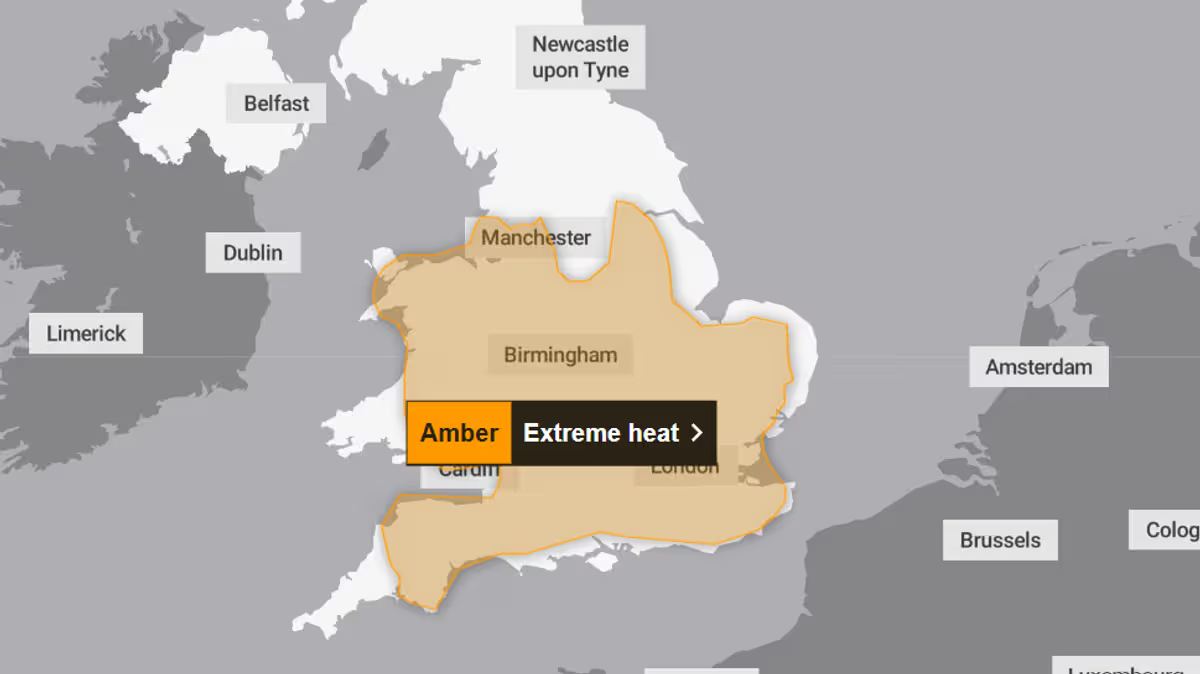
The United Kingdom is facing a historic and dangerous meteorological event, one so severe it has triggered the Met Office’s highest-level alert: a Red Weather Warning for Extreme Heat. This is not merely a spell of “good summer weather”; it is an exceptional heatwave expected to shatter long-standing records, with temperatures forecast to soar beyond 38°C in parts of central and southern England and Wales. The warning, in effect from Wednesday to Thursday, signals a level of peril that is rare in the UK’s temperate climate. Authorities are conveying a sense of grave urgency, as this impending heat poses a fundamental threat not just to comfort but to public health, infrastructure, and daily life. The situation is starkly underscored by the UK Health Security Agency (UKHSA), which warns of significant strain on health services and a predicted rise in deaths, particularly among vulnerable populations.
Paragraph 2: Understanding the Gravity of a Red Warning
A Red Warning is fundamentally a call to “Take Action.” It represents a complete escalation from standard summer heat or even amber-level alerts. Its core message is unambiguous: this level of heat is a direct threat to life for everyone, not just the traditionally vulnerable. While the elderly and those with pre-existing health conditions are at heightened risk, the intensity of this forecasted heat means that even fit and healthy individuals are in danger of suffering heatstroke or severe dehydration. The warning also anticipates widespread systemic failures. Infrastructure built for a cooler climate will be pushed to its limits, with risks including melting road tarmac, buckling railway lines, and potential power grid stress. Furthermore, the phenomenon of “tropical nights,” where temperatures remain above 20°C after sunset, deprives the human body of its crucial chance to cool down and recover.
Paragraph 3: Immediate Personal Safety Measures
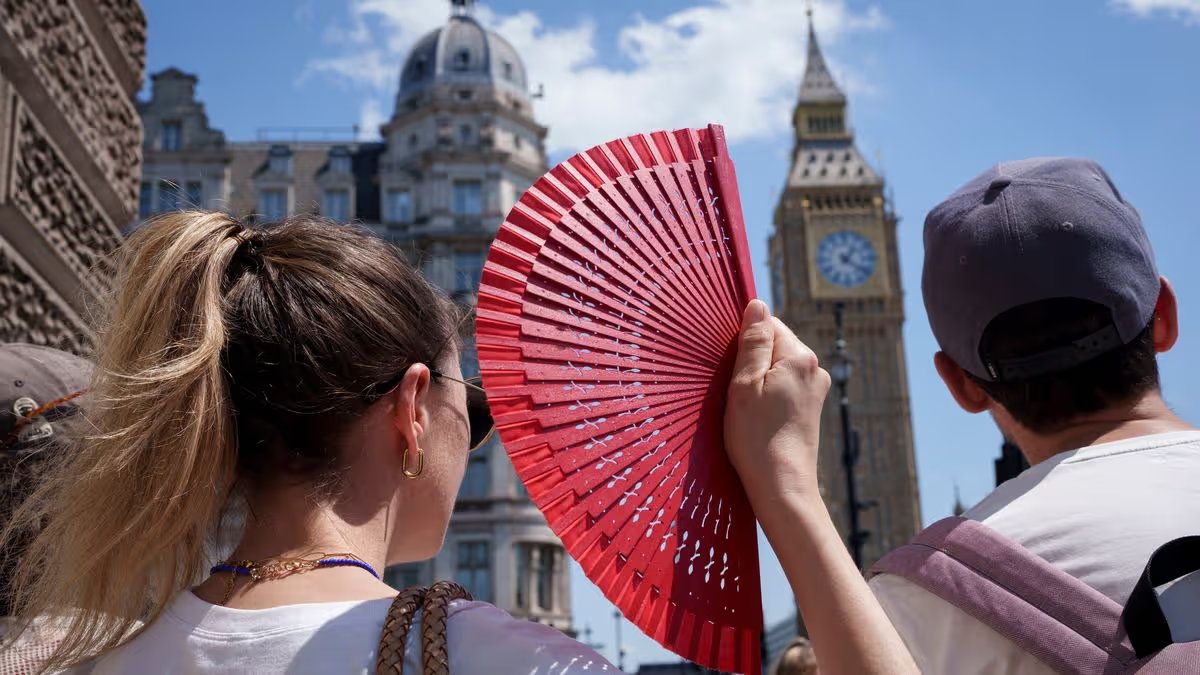
Personal safety during this period requires a conscious and disciplined change in routine. The most critical rule is to avoid the sun during its peak intensity between 11:00 AM and 3:00 PM. Staying indoors in a cool space is strongly advised. Hydration is paramount; water should be consumed regularly throughout the day, even before thirst is felt, while diuretics like alcohol and caffeine should be avoided. All strenuous outdoor exercise must be postponed. It is vital for everyone to recognize the signs of heat-related illness: heavy sweating, dizziness, a rapid pulse, headache, and nausea signal heat exhaustion. If someone exhibits these symptoms, they must be moved to a cool place, given water, and have their skin cooled. If their condition does not improve within 30 minutes, or if they become confused or lose consciousness, it is a medical emergency—heatstroke—and 999 should be called immediately.
Paragraph 4: Protecting Your Home and Community
The effort to stay safe extends into our homes and neighbourhoods. Inside the house, the focus should be on keeping indoor spaces as cool as possible. This involves closing blinds, curtains, and windows on sun-facing sides during the day to create a barrier against the heat. Windows can then be opened at night once the outdoor air is cooler than inside. Crucially, this is a time for community vigilance. We must proactively check on those who are isolated, elderly, or have underlying health conditions, as they may not recognize their own deterioration. Infants and pets are also exceptionally vulnerable to overheating and require careful monitoring and a consistently cool environment.
Paragraph 5: Navigating Travel and Water Risks
Travel plans should be critically reassessed. Non-essential journeys by road or rail are strongly discouraged, as severe disruption, delays, and cancellations are highly likely. For those who must drive, preparing the vehicle with ample water, checking coolant levels, and ensuring a phone is fully charged are essential precautions. Paradoxically, the search for relief can lead to other dangers. While the urge to seek cool water is understandable, extreme caution is required near rivers, lakes, or the coast. UK waterways remain cold year-round, and sudden immersion can trigger a deadly cold-water shock response, causing involuntary gasping and drowning. The advice is to enter the water slowly and, if in trouble, to remember the lifesaving mantra: “Float to Live” by leaning back, spreading limbs, and floating until the shock passes and help arrives.
Paragraph 6: A Collective Call for Caution and Compassion
In conclusion, the issuance of this rare Red Warning is a clear signal that the coming days demand our utmost respect and caution. This heatwave transcends the inconvenience of a hot day; it is a severe weather event with a demonstrably increased risk of serious injury, illness, and mortality. The combined guidance from the Met Office and UKHSA forms a vital blueprint for navigating this crisis: stay out of the sun, hydrate diligently, cool your living space, avoid unnecessary travel, check on others, and understand the signs of heat distress. By heeding these warnings and adopting a mindset of collective responsibility and compassion—prioritizing the safety of ourselves and those around us—we can mitigate the dangers of this extreme weather and protect our communities through this unprecedented challenge.