



Here is a summary and humanization of the provided content, expanding it to six paragraphs.
The landscape of tobacco and nicotine use in the United Kingdom has been fundamentally reshaped with the passage of the historic Tobacco and Vapes Act. This landmark legislation, which has now received Royal Assent, empowers the government to enact some of the world’s most stringent measures against smoking and youth vaping. Its most heralded provision is the creation of a “smoke-free generation,” effectively ensuring that anyone born on or after January 1, 2009, will never legally be sold tobacco products. This bold, preventative approach aims to phase out smoking for good. However, the act’s scope extends far beyond traditional cigarettes, taking decisive aim at the runaway epidemic of underage vaping with a suite of new regulatory powers that could revolutionise the e-cigarette market itself.
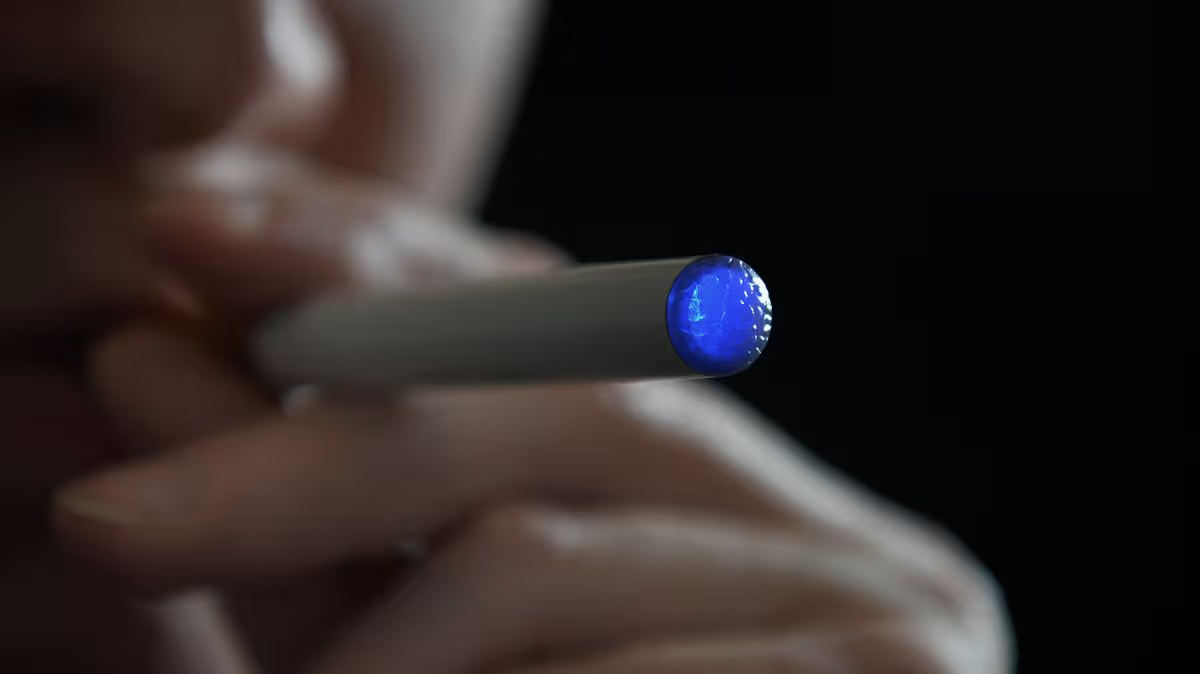
A central and innovative tool within this new legal framework is the potential mandate for so-called “smart vapes.” The government now has the authority to require manufacturers to build digital age-verification technology directly into vaping devices. Imagine a vape that remains locked unless its user verifies their age through a connected smartphone app, or one that uses Bluetooth to confirm an adult profile before it can be activated. This moves the line of defence from the point of sale—which has proven vulnerable—directly to the point of use. As Conservative MP and Chair of the All-Party Parliamentary Group for Responsible Vaping, Euan Stainbank, emphasised, these technological safeguards are crucial. He welcomed the new powers, urging ministers to “look at making positive changes extending protection from the point of sale to the point of use.”
This push for smart technology is driven by a growing concern among MPs and health experts about the direction of the vaping industry. They warn of an emerging “gamification” of e-cigarettes, where devices are equipped with features, lights, or even games that reward frequent use, making them dangerously appealing to younger audiences. The technology to prevent this already exists; beyond simple age locks, “geofencing” capabilities could theoretically disable a device within the GPS boundaries of a school or playground. The call from Parliament is for the government to use its new powers proactively, forcing this technology to be used for good—to create barriers for children rather than incentives. As former Health Secretary Lord Andrew Lansley stated, the act provides the “great opportunity” to implement technology ensuring “only verified adults would be able to use vapes.”
Complementing these potential high-tech solutions are more immediate, tangible crackdowns on the retail environment. Health Secretary Wes Streeting has announced a robust enforcement strategy to tackle the shops illegally selling vapes to minors. Rogue retailers will face on-the-spot fines, and a new £30 million funding package will establish a specialized national “vaping enforcement squad” within Trading Standards, comprising 120 officers dedicated to rooting out illicit sales. Furthermore, the act will drastically curtail the visibility of vaping. From next summer, advertisements, billboards, and sponsorships by vaping companies will be outlawed. The government will also consult on forcing vapes into plain, standardized packaging and mandating they be hidden from view under the counter, mirroring the strict rules long applied to cigarettes.
The overarching philosophy behind these dual strategies—the high-tech and the high-street crackdown—is a clear recognition of vaping’s dual nature. Public health authorities, including England’s Chief Medical Officer Professor Sir Chris Whitty, staunchly affirm that “marketing vapes at children is utterly unacceptable.” The act’s powers are designed to stop this categorically. Yet, there remains a consensus that regulated, controlled vaping has a vital role as a cessation tool for adult smokers. The challenge, and the goal of this legislation, is to sever the product’s dangerous appeal to the young while preserving its utility for those seeking a less harmful alternative to tobacco. It is a delicate balance, attempting to walk the fine line between adult choice and child protection.
Ultimately, the Tobacco and Vapes Act represents a comprehensive and unprecedented attempt to reset the nation’s relationship with nicotine. By raising a smoke-free generation, it looks to end the smoking epidemic for good. Simultaneously, by reining in the wild west of the vaping market with both blunt enforcement and sophisticated technology mandates, it aims to prevent a new generation from developing a nicotine addiction through brightly coloured, flavoured e-cigarettes. The success of this ambitious legislation will hinge on the effective implementation of these new powers, the willingness to compel industry innovation for public health, and the relentless pursuit of those who profit from selling addiction to children. The law is now in place; the hard work of building a healthier future has just begun.