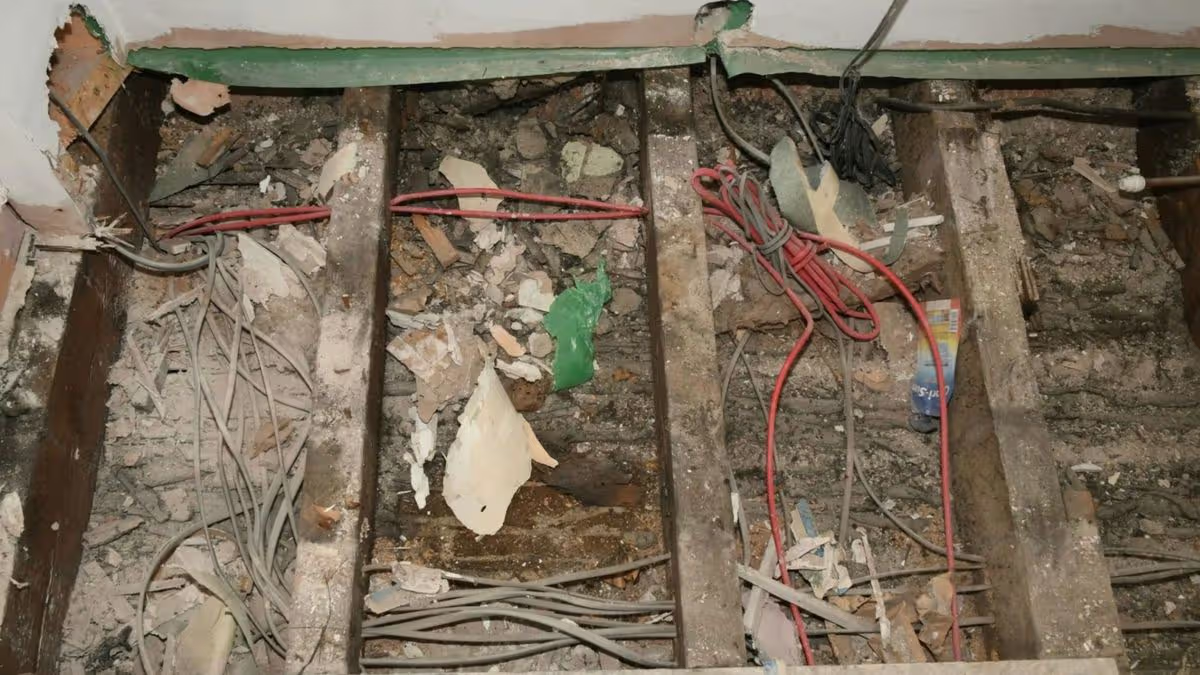



As the United Kingdom endures a record-breaking heatwave, a critical and potentially life-saving warning is being issued to households across the nation. Amidst the sweltering temperatures, experts are urging Britons to prioritize electrical safety, with a particular emphasis on ensuring that smoke alarms are fully functional. The connection between extreme heat and fire risk is often underestimated. During periods of high temperatures, electrical systems and appliances are placed under significant strain and are far more susceptible to overheating. This elevated risk makes proactive safety checks not just a recommendation, but an essential household duty to protect families from the devastating consequences of a fire.
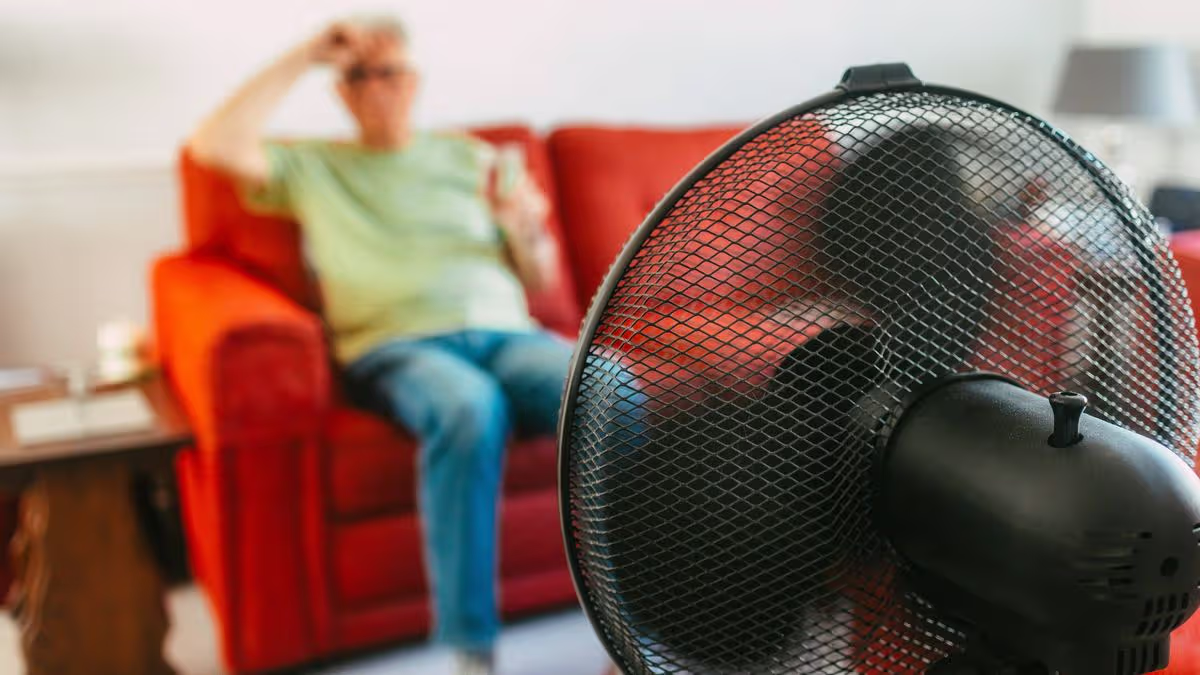
The immediacy of this warning is underscored by the exceptional weather conditions currently gripping the country. The Met Office has confirmed that May has set yet another temperature record, with the mercury failing to drop below 21.3°C at Kenley Airfield in south London, officially classifying the past night as “tropical.” In such relentless heat, the instinctive response for many is to seek constant relief from cooling appliances, particularly electric fans. However, this common practice is now under serious scrutiny from safety professionals. Ian Palmer-Smith, an appliance repair expert at Domestic & General, issues a stark caution against leaving fans running overnight. He emphasizes that while the temptation is understandable, “if a fault occurs in the equipment while you are asleep, you are putting both yourself and your family at risk.” This sentiment is strongly echoed by licensed electrician David Miloshev, who advises turning fans off before sleep as a fundamental precaution against electrical fires.
Beyond the direct threat of fire, medical and sleep experts are highlighting a range of health concerns associated with sleeping with a fan blowing all night. Dr. Kiran Dintyala points out that fans act as powerful circulators of dust, pollen, and other airborne allergens. For individuals with asthma or allergies, this can trigger severe reactions, including sneezing fits, congested airways, and itchy eyes. Furthermore, the constant stream of air can severely dry out the immediate environment. This dry air parches nasal passages and mucous membranes, which can lead to a sore throat—especially for mouth-breathers—as well as sinus congestion, headaches, and even nosebleeds. The consequence is a night of poor, irritated sleep rather than restful recovery from the day’s heat.
The physical discomfort extends beyond respiratory issues. Dr. Dintyala also notes that the concentrated stream of cool air can cause muscles to tense and stiffen overnight, leading to waking up with unexplained aches and pains. Sleep expert Martin Seeley, CEO of Mattress Next Day, expands on this, specifically advising against directing fan airflow onto any area of pre-existing muscle pain, such as from exercise or desk work, as it can exacerbate the condition. Seeley also underscores the dehydration risk, explaining that the dry environment created by a fan can lead to mild dehydration, which in turn amplifies feelings of daytime drowsiness and fatigue. His recommendation is clear: to mitigate these combined health risks, it is safest to leave the fan off during sleep, regardless of how humid the night may feel.
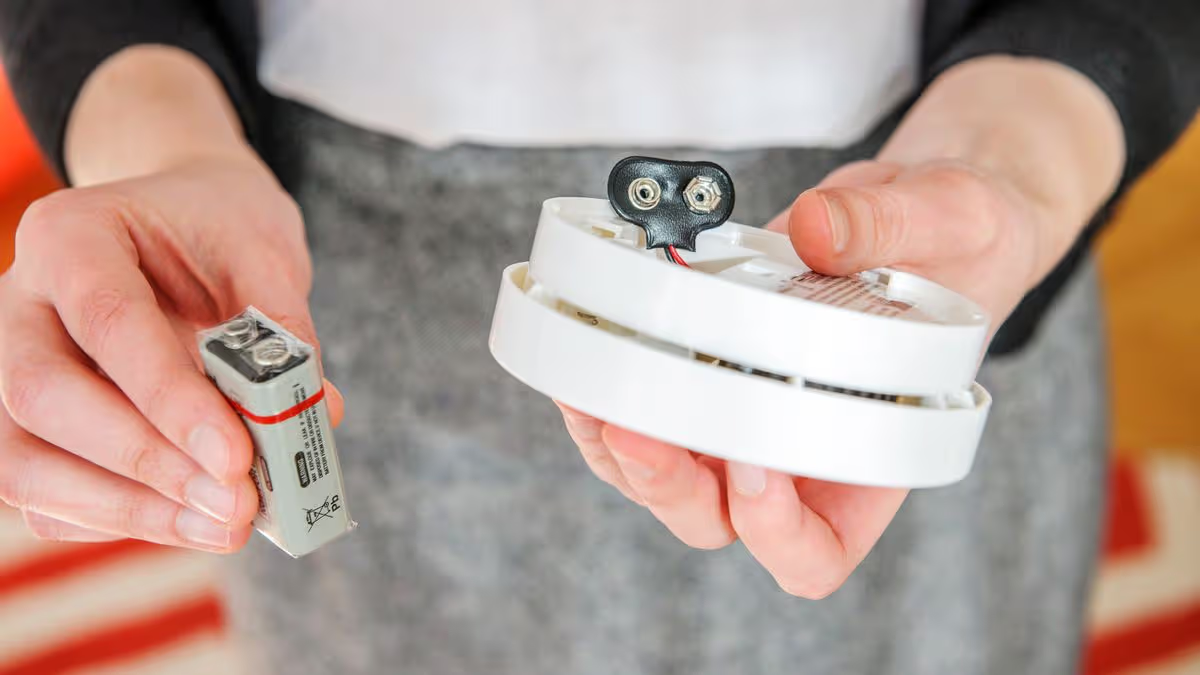
Given these interconnected risks—from electrical fire hazards to various health pitfalls—the advice from all quarters converges on a single, simple action: the imperative need to verify that your smoke alarms are working. In a scenario where overheated appliances or faulty wiring could spark a fire, and where individuals may be sleeping more deeply due to heat exhaustion or be susceptible to allergen-filled air, a functioning smoke alarm becomes the most crucial guardian of household safety. Checking the battery, testing the alarm sound, and ensuring units are not expired or dust-clogged is a five-minute task that could make the ultimate difference. It is a non-negotiable step in responsible summer preparedness.
Therefore, as the heatwave continues to break records, the message is one of proactive vigilance. The British public is encouraged to resist the short-term comfort of an all-night fan in favor of safer, healthier alternatives for cooling, such as using fans intermittently before bed, keeping hydrated, and employing lighter bedding. Most importantly, this period of heightened electrical strain serves as a vital reminder to perform essential home safety maintenance. Ensuring your smoke alarms are in perfect working order is the simplest yet most effective way to safeguard your loved ones, providing peace of mind and critical early warning during a season that, while beautiful, brings with it these unique and serious dangers.