




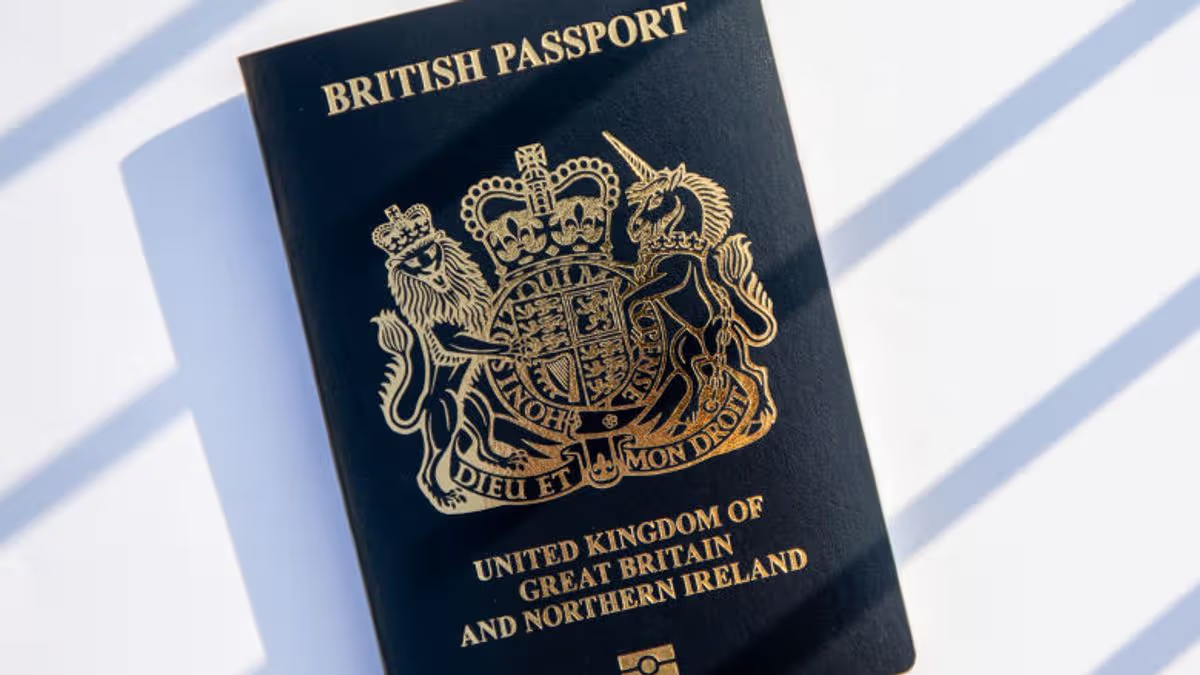
With the summer travel season upon us, many Brits are eagerly anticipating well-deserved holidays. However, amidst the excitement of booking flights and hotels, there’s a critical document that demands a thorough inspection long before you reach the airport: your passport. While most travellers are aware of the need to check their passport’s expiration date, a far more insidious set of issues could see you turned away at the border. Beyond simply having enough valid months left, the physical condition of your passport is paramount. Airport security and border authorities have zero tolerance for any document that appears tampered with or damaged in a way that could compromise its security features. What might seem like a minor tear or a small water stain to you could be interpreted as a potential breach of the document’s integrity, rendering it invalid for travel regardless of its expiration date. This summer, with travel already facing disruptions from various global events, ensuring your passport is not just valid but also pristine is a non-negotiable step in your pre-holiday preparations.
So, what exactly constitutes “damage” severe enough to jeopardise your travel plans? The UK government provides clear, albeit strict, guidelines. Any issue that affects the legibility or security of the personal details page—the one with your photo and information—is a major red flag. This includes unreadable text, laminate that is peeling or lifting away, or any cuts to the page itself. Water, chemical, or ink spills that cause discolouration or smudging on this page are also problematic. For the newer blue e-Passports, specific issues like torn perforated passport numbers or a cracked personal details page will lead to rejection. Furthermore, if the embedded electronic chip or its antenna is visibly pushing through the back cover or the personal details page, the passport is considered compromised. Essentially, if anything obstructs the clear reading of your data or suggests interference with the passport’s security technology, you will almost certainly be denied boarding.
It is important to distinguish between catastrophic damage and normal wear and tear. The government notes that damage confined to the passport’s cover or to blank visa pages in the middle of the booklet may not necessarily invalidate the document, provided it does not affect any security features. The key test is whether the personal details and observation pages are fully intact and legible, and whether any official visas or entry stamps within are untouched and verifiable. A worn cover, a bent corner, or even minor scribbles on a blank page might not be grounds for refusal on their own. However, this is a grey area where border officers have significant discretion. The safest course of action is to err on the side of caution; if you have any doubt about the condition, particularly if damage is near the critical personal pages, it is not worth the risk of having your holiday—and your finances—ruined at the departure gate.
If your passport does exhibit any of these serious flaws, you must replace it immediately. The standard renewal process, which can be done online via the GOV.UK website, typically takes around three weeks but can extend to six during peak periods. The cost for an adult passport is £102. This timeline means that checking your passport now, weeks before your travel, is absolutely essential. The process requires a new digital photo and a credit or debit card for payment. Notably, if you are replacing a damaged passport (as opposed to one that is simply expired), you will need to ask someone to confirm your identity online, adding an extra step to the procedure. Given these potential delays, procrastination is your worst enemy. A last-minute discovery of a damaged passport could spell disaster for imminent travel plans.
For those who discover damage with travel looming in less than three weeks, all is not lost, but it will come at a premium. The Passport Office offers a Fast Track service for precisely this scenario. This allows you to book an appointment at a passport office, usually within a week, where you can submit your application in person. The processed passport is often available for collection the very next working day. This expedited service, however, carries a significantly higher price tag: £192 for a standard adult passport, or £206 for the 54-page frequent traveller version. While this is a substantial additional expense, it is a reliable solution for urgent cases and is undoubtedly cheaper than forfeiting the cost of non-refundable flights and accommodation. It underscores the old adage that an ounce of prevention—in this case, a timely passport check—is worth a pound of cure.
In conclusion, as you finalise your summer holiday arrangements, place your passport at the top of your checklist. Take it out of its drawer, examine it under good light, and scrutinise it against the government’s strict criteria. Look for lifted laminate, water marks, tears on the photo page, and the condition of the embedded chip. Do not assume that a passport with a valid date is automatically a ticket to travel. In the eyes of border control, its physical condition is equally important. By taking this proactive step now, you can either proceed with peace of mind or initiate a renewal with ample time to spare. After the stresses of recent years, your well-earned summer getaway should begin with excitement, not with an avoidable and heartbreaking setback at the airport. A few minutes of inspection today can ensure your journey starts smoothly, letting you focus on the pleasure of your holiday ahead.