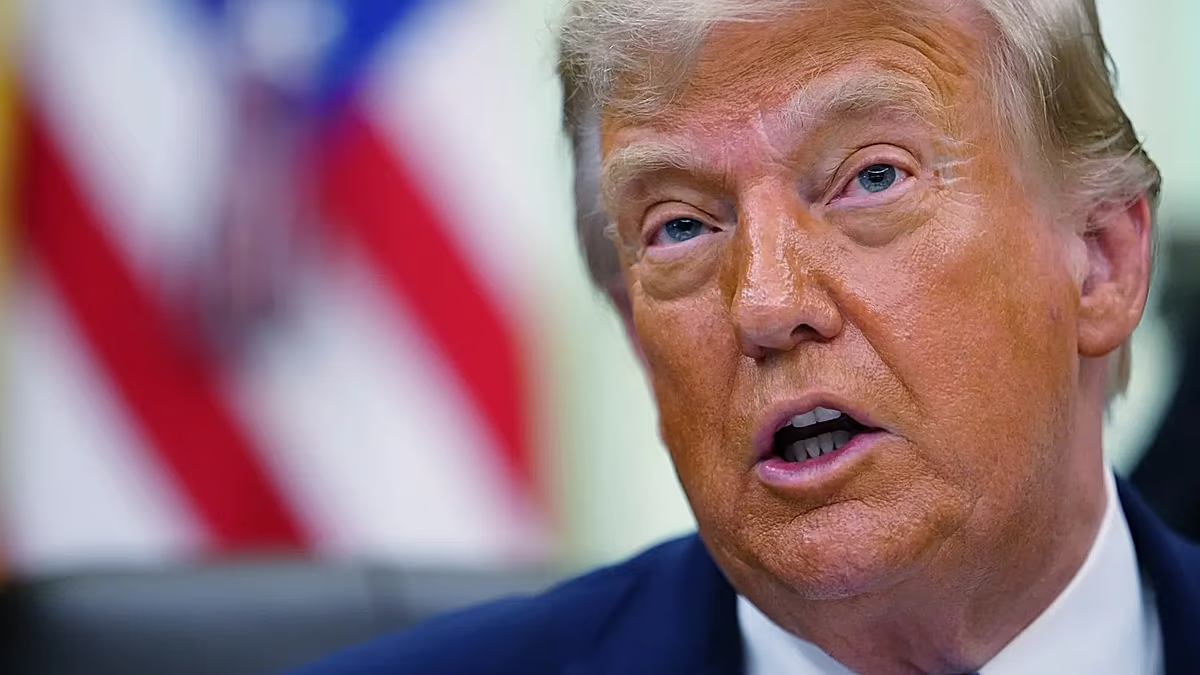


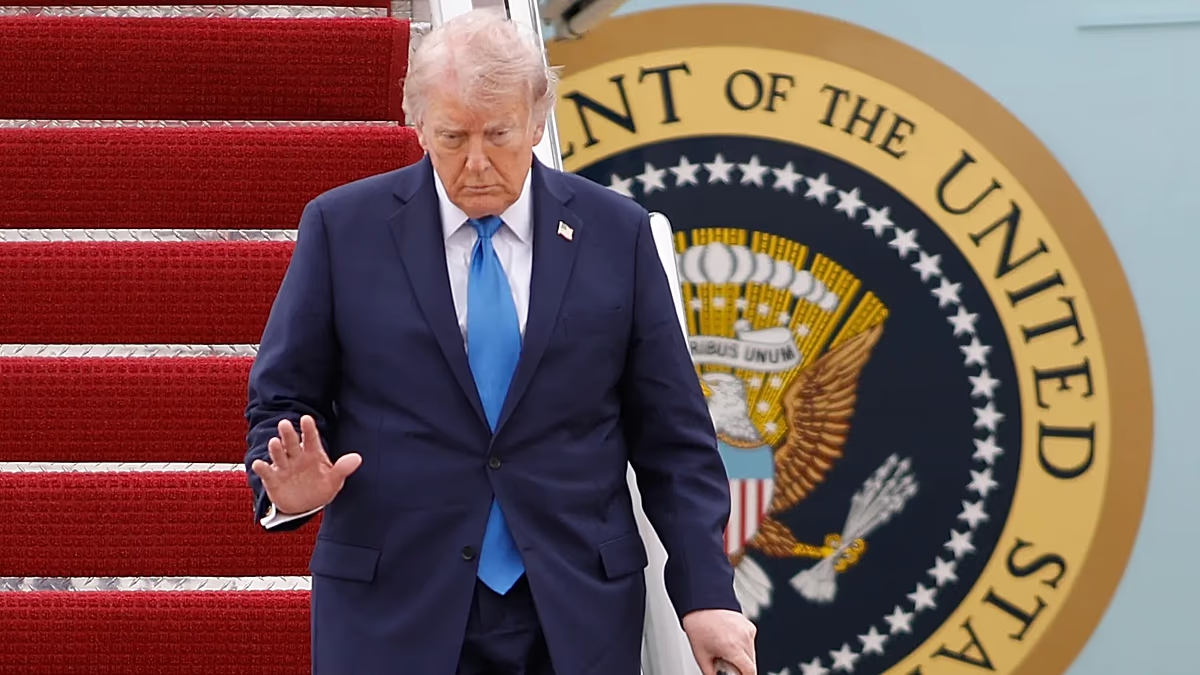
In April 2026, the simmering conflict between the United States and Iran reached a critical moment of diplomatic stalemate. U.S. media reported that President Donald Trump would convene his top national security advisors later on a Monday to discuss next steps, signaling that behind-the-scenes efforts to negotiate had effectively frozen. According to correspondents, a new proposal from Tehran—focused on reopening the strategically vital Strait of Hormuz and ending the U.S. naval blockade there, while postponing talks on nuclear issues—was seen in Washington as falling short of American demands. The diplomatic mood darkened further after Trump canceled a planned trip by his envoys, publicly stating that if Iran wanted to talk, their leaders would need to come to him. This posture underscored a deep-seated impasse, leaving observers to wonder whether either side was willing to make the first move toward compromise.
Amid this tense pause, Iranian Foreign Minister Abbas Araghchi embarked on a whirlwind diplomatic tour, shuttling between key capitals to rally international support and assign blame. After visits to mediator Pakistan and Oman, he arrived in St. Petersburg, where he was scheduled to meet with Russian President Vladimir Putin. In public remarks, Araghchi pointedly criticized the United States for the failure of earlier talks, arguing that “excessive demands” from Washington had derailed progress. Despite the public deadlock, backchannel communications reportedly persisted; Iranian state media indicated that written messages outlining Tehran’s red lines—including on nuclear matters and the Strait of Hormuz—had been passed to the U.S. via Pakistan. These quiet exchanges suggested that neither nation had entirely closed the door to dialogue, even as their public positions remained firmly at odds.
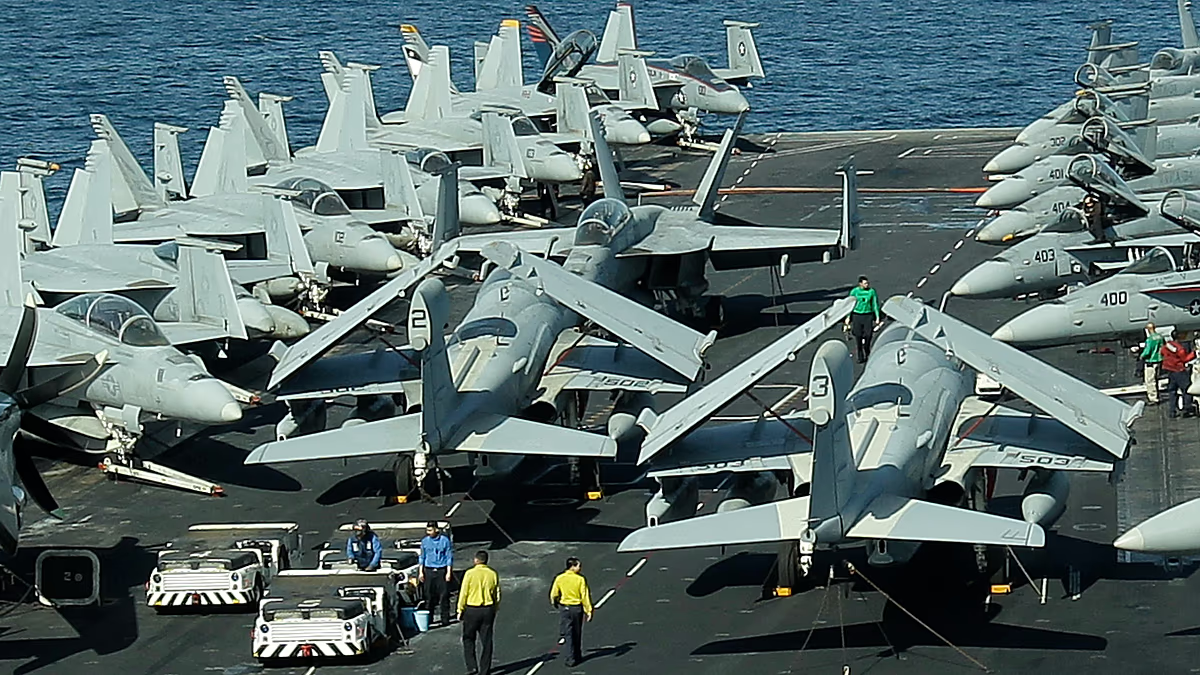
At the heart of the standoff lay the Strait of Hormuz, a narrow maritime chokepoint through which a significant portion of the world’s seaborne oil transits. Iran’s effective closure of the strait had sent shockwaves through global markets, disrupting energy and fertilizer supplies and driving prices sharply higher. This move not only amplified geopolitical tensions but also raised alarms about potential food insecurity in vulnerable, import-dependent nations. In response, the United States enforced a naval blockade targeting Iranian ports, further militarizing the waterway. For both nations, control of the strait represented more than a tactical objective—it was a symbol of national resolve and strategic leverage in a high-stakes confrontation.
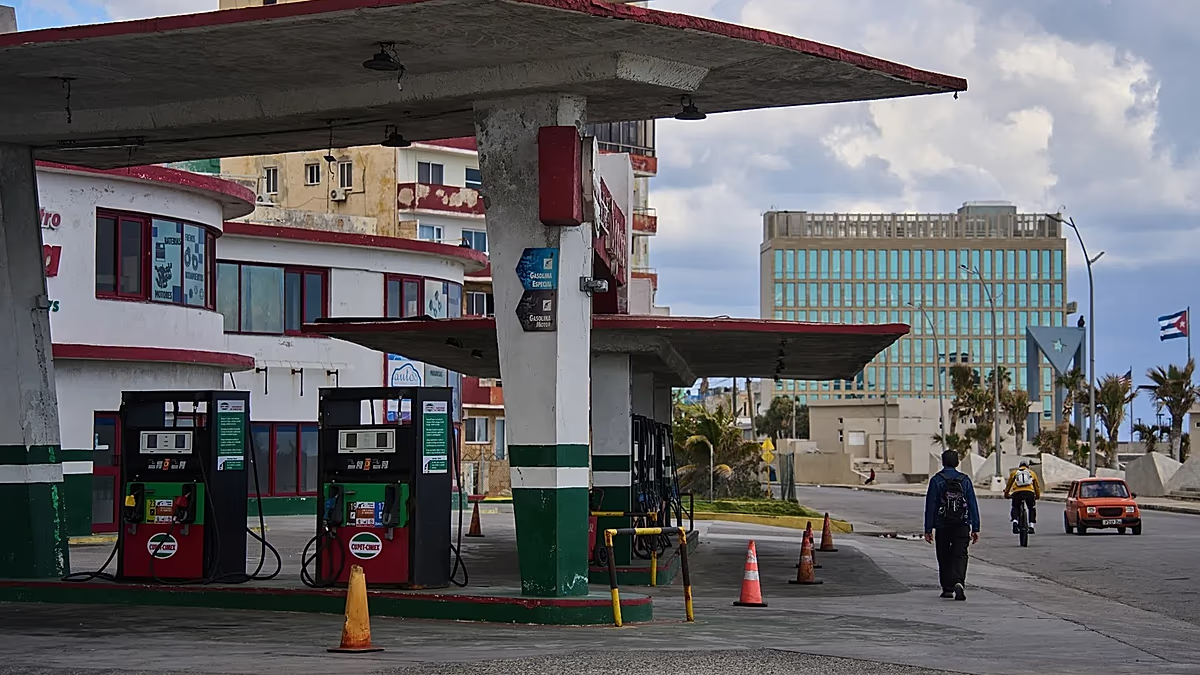
The economic repercussions of the crisis were being felt acutely within the United States as well. With domestic fuel prices climbing amid the Hormuz closure, President Trump faced mounting political pressure at home, especially with midterm elections on the horizon. Polls indicated that the war was unpopular with the American public, adding a layer of electoral urgency to the administration’s calculations. Meanwhile, Iran’s Revolutionary Guards signaled no retreat, declaring that maintaining their blockade and its “deterrent effects over America” was a definitive strategy for Tehran. This hardline stance from the IRGC highlighted internal dynamics within Iran, where security elites appeared unwilling to cede ground, even as diplomats like Araghchi engaged in regional shuttle diplomacy.
The international dimension of the crisis continued to widen, drawing in global powers and regional actors. Oman, which shares oversight of the Strait of Hormuz with Iran, had hosted Araghchi for talks focused on securing safe passage through the waterway—a concern the foreign minister described as “an important global issue.” The planned meeting with President Putin in Russia further illustrated Tehran’s efforts to cultivate alliances and counter American influence. For Moscow, the conflict presented both risks and opportunities: a prolonged standoff could destabilize energy markets, but it also allowed Russia to position itself as a key diplomatic player and a partner to Iran amid Western pressure.
As of late April 2026, the situation remained fragile yet static—a tense ceasefire prevailed on the ground, but the underlying economic and diplomatic pressures continued to build. Oil prices edged upward on markets, tempered only by faint hopes that a deal might eventually materialize. The world watched as two nations, entrenched in their positions, navigated a landscape of blockade and brinkmanship, with global stability and energy security hanging in the balance. The coming days would reveal whether closed-door discussions could pave a path toward de-escalation, or whether the stalemate would harden into a more permanent and perilous divide.