



Of course. Here is a humanized and expanded summary of the content, structured into six paragraphs.
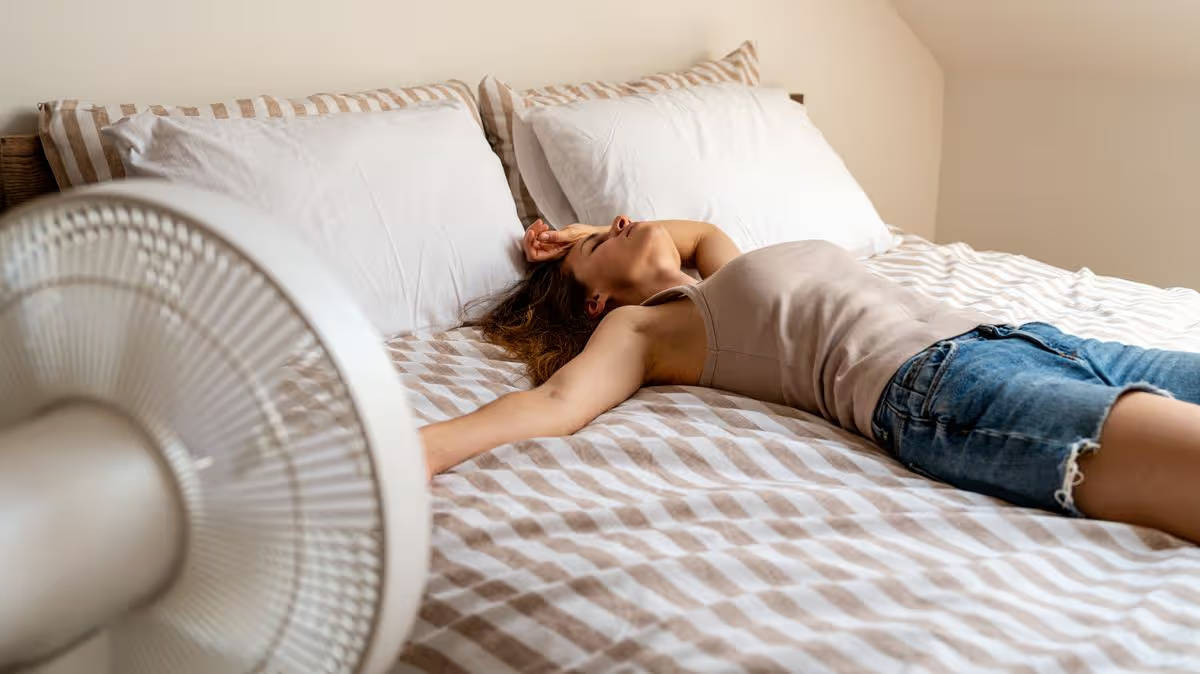
As a record-breaking Bank Holiday heatwave grips the nation, with thermometers threatening to shatter May records, the universal impulse is to seek any available relief. Britons are digging out their trusty electric fans, seeing them as a lifeline against the stifling, sleepless nights. However, a chorus of sleep experts is issuing a counterintuitive warning: that comforting whir of an oscillating fan might be a double-edged sword, potentially causing more problems than it solves as we toss and turn in the heat.
The meteorological backdrop for this advice is exceptionally sultry. The Met Office forecasts suggest this isn’t just a brief spike but a prolonged event, with central and southern England bracing for temperatures to soar into the mid-30s Celsius. Eighteen counties could see peaks of 34°C or above, potentially making Monday and Tuesday the hottest May days ever recorded in the UK. With an official heatwave—defined by three consecutive days above regional thresholds—firmly in place and the promise of “very warm” conditions stretching into June, the search for a cool night’s sleep has become a pressing concern for millions.
This is where the experts urge caution. Dr. Kiran Dintyala, in consultation with Sleep Advisor, explains that while a fan’s breeze feels instantly cooling, its constant operation creates a cascade of unintended effects. The primary issue is air quality: fan blades, often laden with a season’s worth of dust, pollen, and other allergens, churn these particles directly into the breathing space of sleepers. For those with asthma or allergies, this can trigger severe reactions, including sneezing fits, itchy eyes, and difficulty breathing, utterly defeating the goal of restful sleep.
Beyond allergies, the mechanical breeze poses a direct physiological challenge. The steady stream of air accelerates evaporation, drying out both the room’s atmosphere and, crucially, our mucous membranes. This can lead to parched nasal passages, sore throats (especially for mouth-breathers), and even nosebleeds. Martin Seeley, CEO of Mattress Next Day, adds that this dryness can ironically trigger congestion, as the body overproduces mucus in response to the arid airflow, potentially leading to sinus pressure and headaches by morning. Furthermore, the concentrated cool air can stiffen muscles, leaving you aching as if you’ve slept in a draft.
The experts collectively emphasize that these effects can compound the very fatigue you’re trying to escape. Dehydration, exacerbated by the fan’s drying action and the night’s heat, is a key culprit. Even mild dehydration can amplify daytime drowsiness and cognitive fog, meaning you could wake from a fan-cooled sleep feeling even more exhausted. Seeley particularly advises against directing the airflow onto any pre-existing muscle pains, as the constant cold exposure can worsen stiffness and discomfort, turning a night of potential recovery into one of added ache.
Ultimately, while the lure of the fan is undeniable during a historic heatwave, the consensus from sleep professionals is to reconsider it as an overnight solution. Their guidance suggests a more holistic approach: prioritize staying hydrated throughout the day and night, seek alternative cooling methods like lighter bedding or a cool shower before bed, and ensure your fan is meticulously cleaned if you must use it. The goal is to achieve restful sleep without trading the discomfort of heat for the hidden pitfalls of dust, dryness, and dehydration that a whirring fan can bring into your bedroom.