


A Fragile Path Toward Peace: High-Stakes Negotiations Amidst Tension
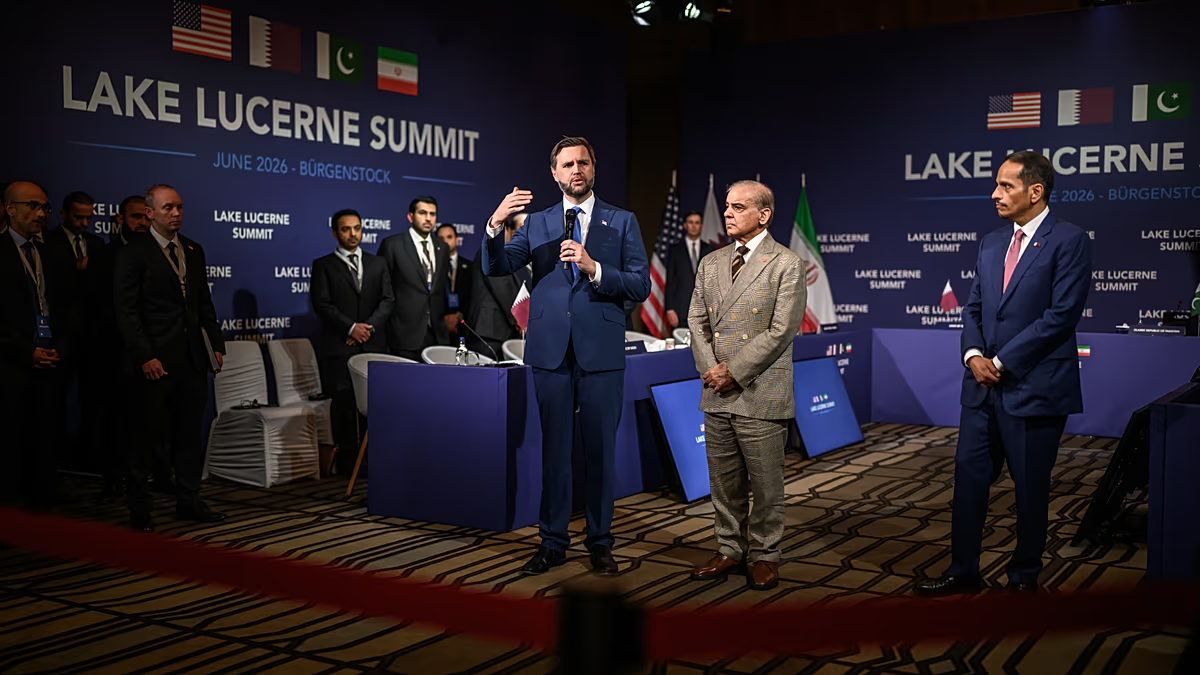
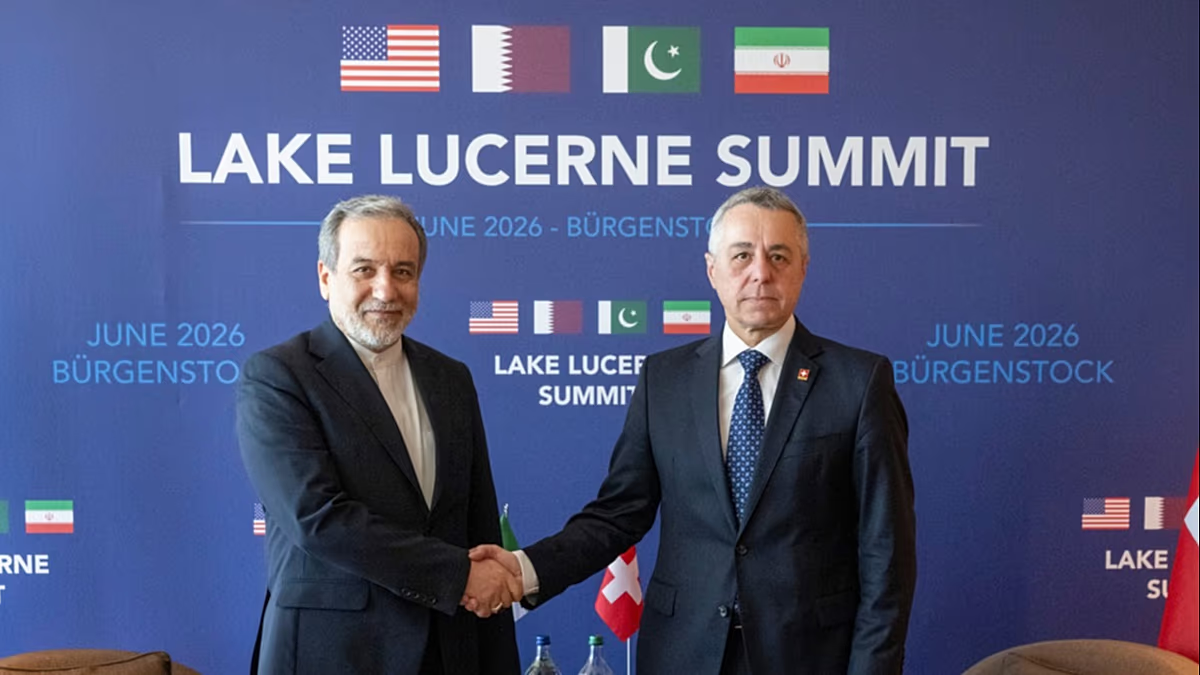
In a world weary from conflict, a glimmer of cautious hope emerged from Switzerland as high-level negotiations aimed at permanently ending the war in Iran concluded their initial phase. The talks, which began on a tense note, adjourned early Monday, with plans for lower-level discussions to continue throughout the week. The most concrete outcome so far is an agreement between Iran and the United States to establish a “de-confliction cell.” This joint mechanism, which will include the Lebanese government, is tasked with a critical mission: to “ensure the adherence of the termination of military operations in Lebanon.” Mediators Pakistan and Qatar, who shepherded this preliminary framework, heralded the step as significant progress. However, the atmosphere remains thick with skepticism. Iran’s state-run media celebrated a “remarkable breakthrough,” while the United States withheld immediate comment, underscoring the fragile and tentative nature of these early agreements.
The Lebanese Tinderbox: A Core Stumbling Block
The fighting in Lebanon represents the most volatile and critical obstacle to a lasting peace. The proposed de-confliction cell is a direct response to the ongoing, deadly exchanges between Israel and the Iran-backed Hezbollah militant group. Israel, which occupies parts of southern Lebanon, insists it must retain full freedom to strike militants who launch attacks into northern Israel. This stance creates a fundamental tension with the cell’s goal of enforcing a cessation of hostilities. The success or failure of this new mechanism is seen as the first real test of the entire negotiation process. As Iranian Foreign Minister Abbas Araghchi noted, the “tireless” mediation has delivered major progress, but the true measure will be whether the cell can actually silence the guns in Lebanon. Iran has strategically linked the Lebanon conflict to any broader ceasefire deal, making its resolution non-negotiable for Tehran.
Diplomatic Theatre Amidst Provocative Rhetoric
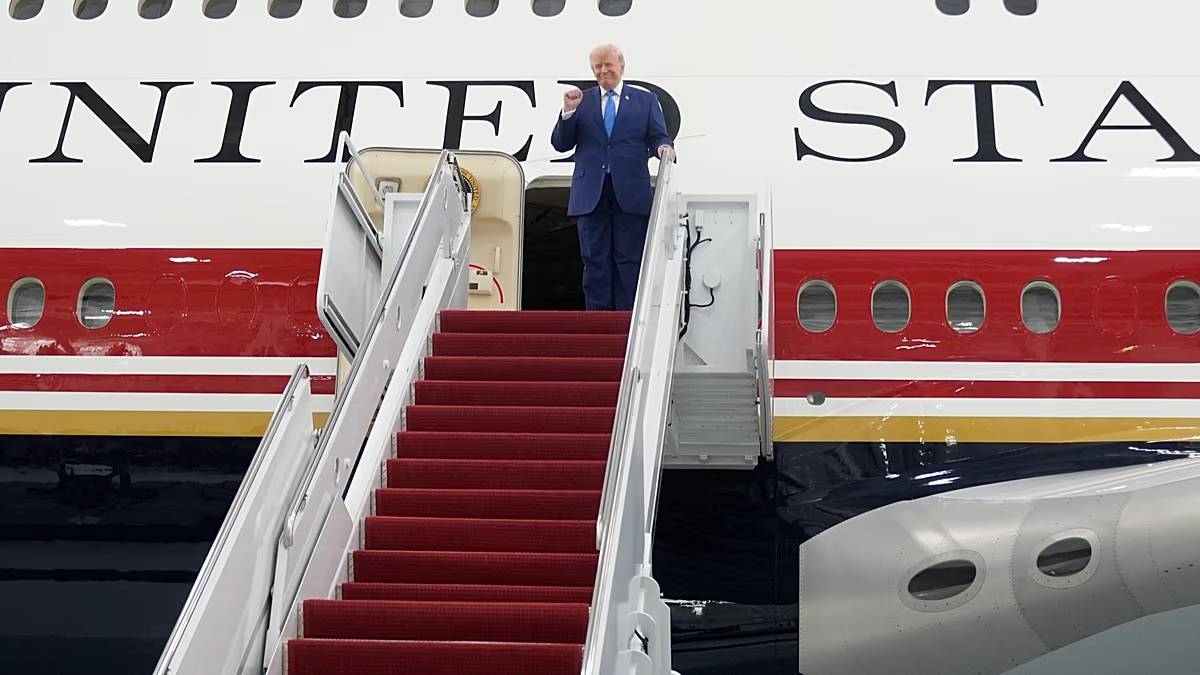
The negotiations in Switzerland were almost derailed before they truly began by provocative rhetoric from afar. U.S. President Donald Trump ignited tensions by taking to social media to issue a stark warning: “Iran must immediately stop their highly paid PROXIES in Lebanon from causing trouble… If they don’t, we’ll hit Iran very hard again, just like we did last week, only harder!!!” This blunt post complicated the delicate task of U.S. Vice President JD Vance and the mediating teams, who were on the ground trying to keep Iran engaged in good faith. Iran’s lead negotiator, parliamentary speaker Mohammad Bagher Ghalibaf, fired back on the same platform, advising the U.S. to “be careful about their statements,” and warning, “it is we who act.” This exchange highlighted the profound distrust between the nations and set a combative tone that negotiators had to work diligently to overcome.
Beyond Lebanon: Hormuz, Nukes, and a 60-Day Clock
While Lebanon dominated the headlines, the talks encompassed a wider, more complex set of issues that threaten global stability. Two other critical flashpoints were on the agenda: the Strait of Hormuz and Iran’s nuclear program. In a move that sent ripples through global energy markets, Iran again shut the strategic Strait of Hormuz over the weekend—a chokepoint for about a fifth of the world’s seaborne oil. The U.S. contested this, stating maritime traffic continued, but the incident underscored the high stakes. Negotiators engaged in what were described as “robust” discussions on establishing mechanisms to keep the vital waterway open. Furthermore, the shadow of Iran’s nuclear ambitions loomed over the proceedings. All of this is happening under a self-imposed 60-day diplomatic clock, a process seeking a permanent deal to end a U.S.-Israeli offensive that began in late February and has been under a fragile truce since April.
The Human Cost and the Long Road Ahead
Behind the diplomatic jargon of “de-confliction cells” and “framework agreements” lies a pressing human reality. The wars in Iran and Lebanon have exacted a devastating humanitarian toll, with countless lives lost, cities shattered, and millions displaced. The talks in Switzerland, however fraught, represent one of the most serious attempts to chart a path out of this cycle of violence. The involvement of regional powers Pakistan and Qatar as neutral mediators has been instrumental in fostering dialogue where direct communication often fails. Yet, the path forward is perilously narrow. Every inflammatory statement, every tactical military move, and every act of brinkmanship like closing a major shipping lane threatens to unravel the painstaking progress made at the negotiating table.
A Cautious Conclusion: Hope Tempered by Reality
As the world watches, the negotiating teams prepare for another week of intricate, behind-the-scenes diplomacy. The creation of the de-confliction cell is a small but necessary first step—a technical solution to a deeply political and military problem. Its success hinges on the willingness of all involved parties, including Hezbollah and Israel, to subordinate their immediate tactical interests to a broader, uncertain peace. The coming weeks will reveal whether the momentum from Switzerland can be sustained or if it will collapse under the weight of historical animosity and present-day provocations. For now, the outcome hangs in a delicate balance, offering a fragile hope for peace that is all too easily extinguished, reminding us that the road from war to peace is often the most difficult journey of all.