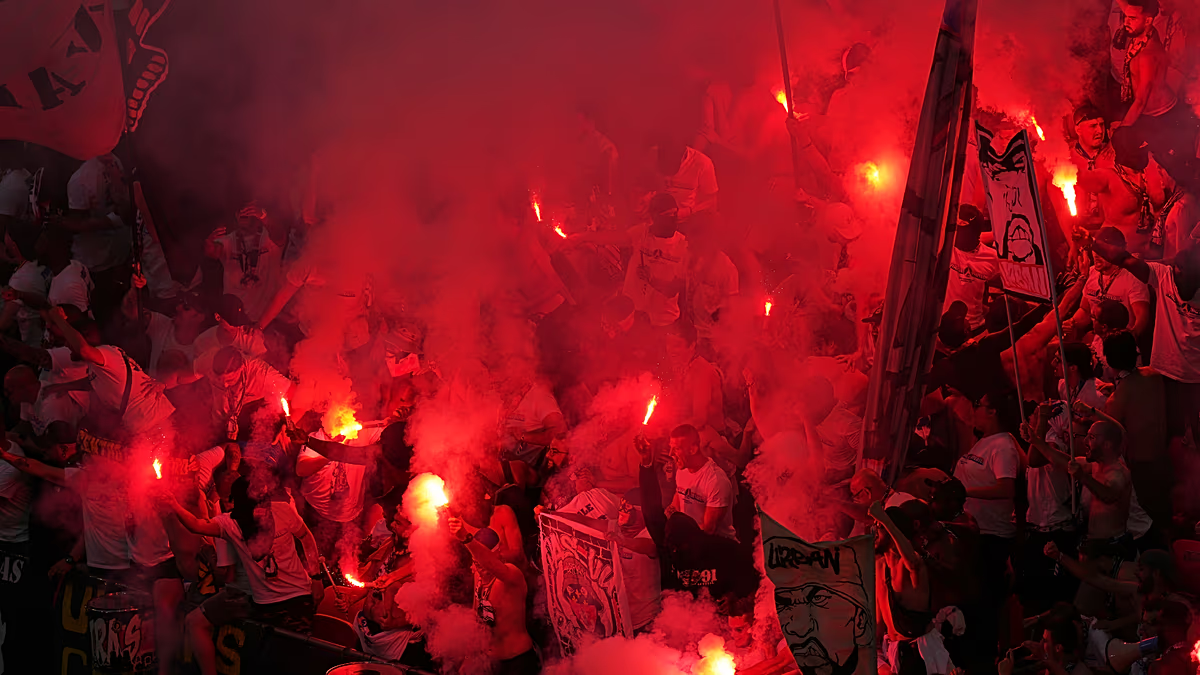
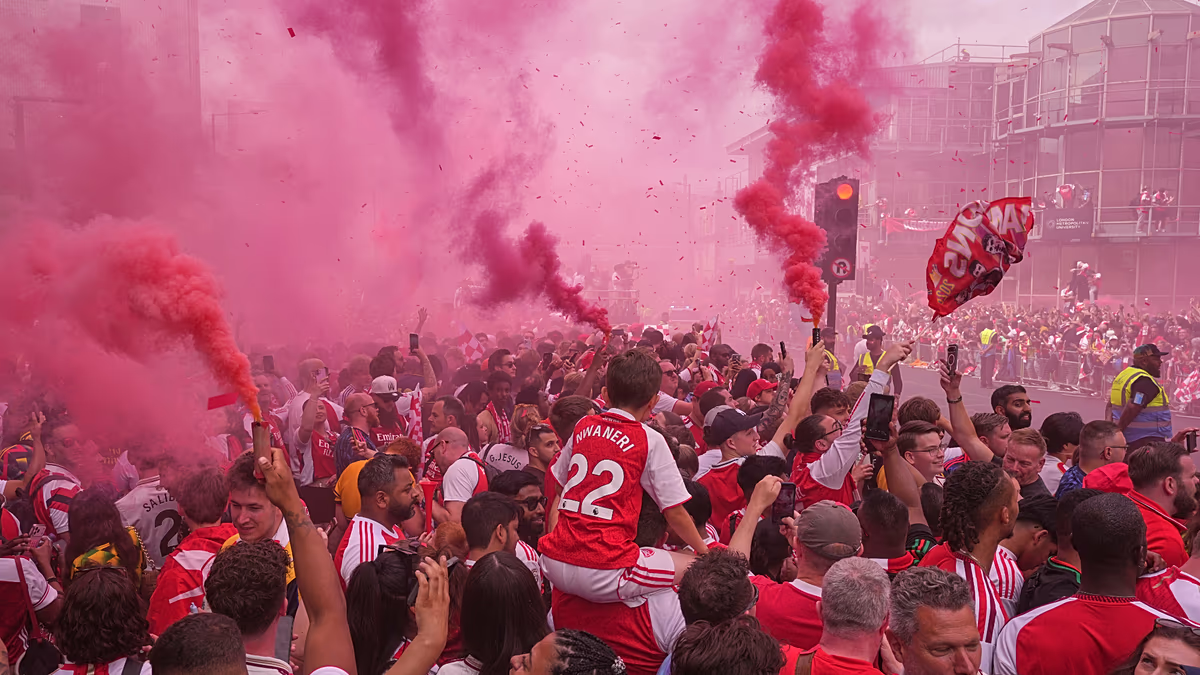


Celebrating a historic season for Arsenal Football Club, thousands of supporters painted the streets of London a vibrant red on Sunday, creating a sea of jubilant fans. The air was thick with smoke from flares and echoed with triumphant chants as two open-top buses, carrying the heroes of the campaign, slowly navigated the capital. This was not merely a parade; it was a cathartic release and a collective embrace of achievement, marking the end of a long-awaited journey back to the summit of English football and affirming the club’s power on the European stage. For a fanbase defined by its passion and, in recent years, its patience, this moment was the tangible reward for years of unwavering belief and support.
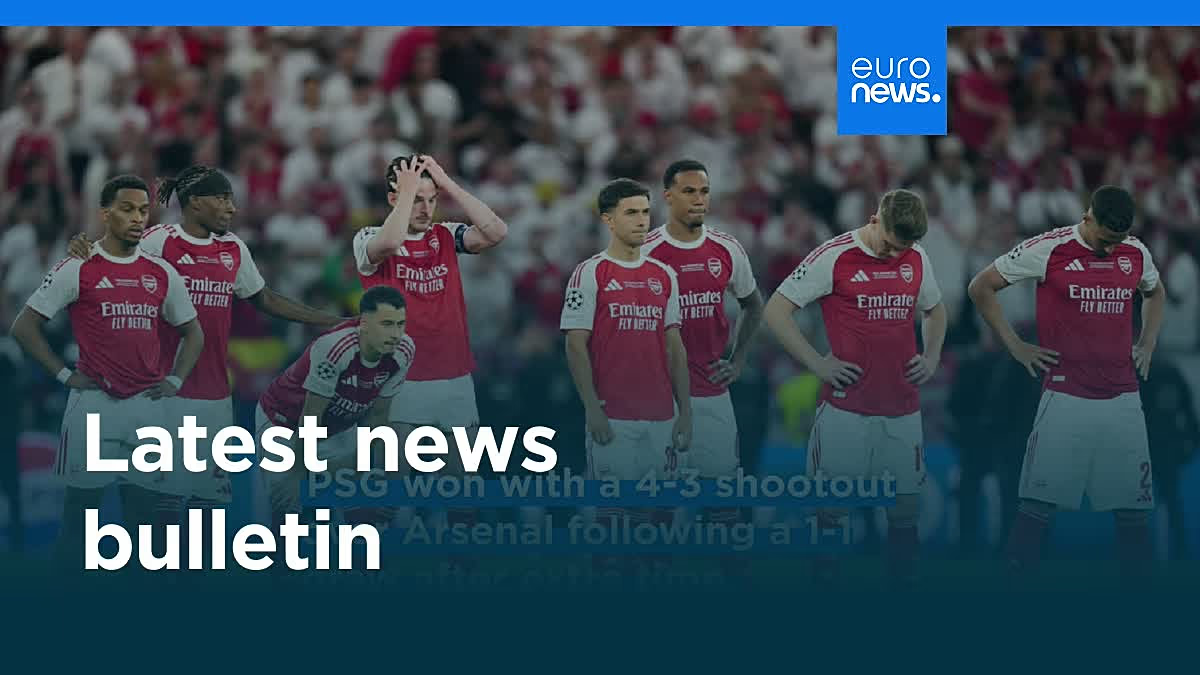
The primary focus of the elation was the men’s team, which had just returned from a heartbreaking but valiant effort in Budapest. Though they fell to Paris Saint-Germain in a penalty shootout in the UEFA Champions League final, there was no sense of mourning on the streets. Instead, the disappointment was overshadowed by the monumental domestic success secured just days prior: Arsenal’s first Premier League title in 22 years. The title was clinched without kicking a ball, as Manchester City’s draw with Bournemouth finally rendered Mikel Arteta’s squad uncatchable at the league’s summit. This triumph, achieved through a season of relentless consistency and dazzling football, has etched the names of these players and their visionary manager alongside the legends of the Invincibles and other celebrated sides in the club’s storied history. The parade, therefore, became a celebration of a renewed identity and a restored standard of excellence.
Alongside the men’s bus rolled a second, equally bedecked vehicle carrying the Arsenal women’s team, whose brilliance provided a parallel narrative of glory. They were celebrating their victory in the FIFA Women’s Champions Cup from February, a landmark achievement that underscored the club’s dominance and pioneering spirit in the women’s game. Their presence was a powerful statement of unity, illustrating that Arsenal’s success is a holistic club endeavor. Seeing both teams share this spotlight resonated deeply with fans, reinforcing the idea of one club, one community, achieving at the very highest levels across the entire football landscape. Their continental trophy served as a bookend to a season where Arsenal’s red and white colors flew proudly across Europe.
The significance of the day reverberated far beyond the gathered crowds in North London. Messages of congratulations poured in from political leaders, acknowledging the club’s cultural impact and its role as a beacon for the community. Meanwhile, from Sydney to Seattle, supporters gathered in pubs, fan clubs, and public squares, replicating the celebrations in spirit across the globe. This worldwide network of fans, connected by a shared love for the club, turned a local parade into an international event. It was a testament to Arsenal’s global family, for whom this success was a shared victory, a moment of pride that crossed continents and time zones, uniting strangers under a common banner.
The atmosphere itself was one of pure, unadulterated joy and community. Families stood shoulder-to-shoulder with lifelong friends, all singing in unison. For older supporters, it was a poignant flashback to the era of Arsène Wenger’s early dominance, a feeling many feared they might not experience again. For a younger generation, this was their first true taste of championship euphoria, a core memory being forged in real-time. The players on the buses, visibly moved by the overwhelming display of affection, reciprocated by lifting trophies, snapping photos with their phones, and interacting with the sea of faces below. It was a shared exchange of gratitude—the players thanking the fans for their faith, and the fans thanking the squad for delivering the dream.
In the final analysis, the parade was more than a review of silverware; it was the celebration of a club rediscovering its soul and its winning identity. It marked the culmination of a strategic project under Mikel Arteta and the women’s team’s continued excellence, a journey from doubt and rebuilding to tangible, glorious success. As the smoke from the flares gradually cleared and the buses completed their route, the feeling left behind was one of profound optimism. This day was not an endpoint, but a promise—a declaration that Arsenal is well and truly back, competing for and winning the biggest honors, and that this vibrant, united community will be there every step of the way. The red tide that swept through London was a powerful symbol of a present fulfilled and a future brimming with possibility.