


The Triumph of Paris: PSG Secures Back-to-Back European Glory
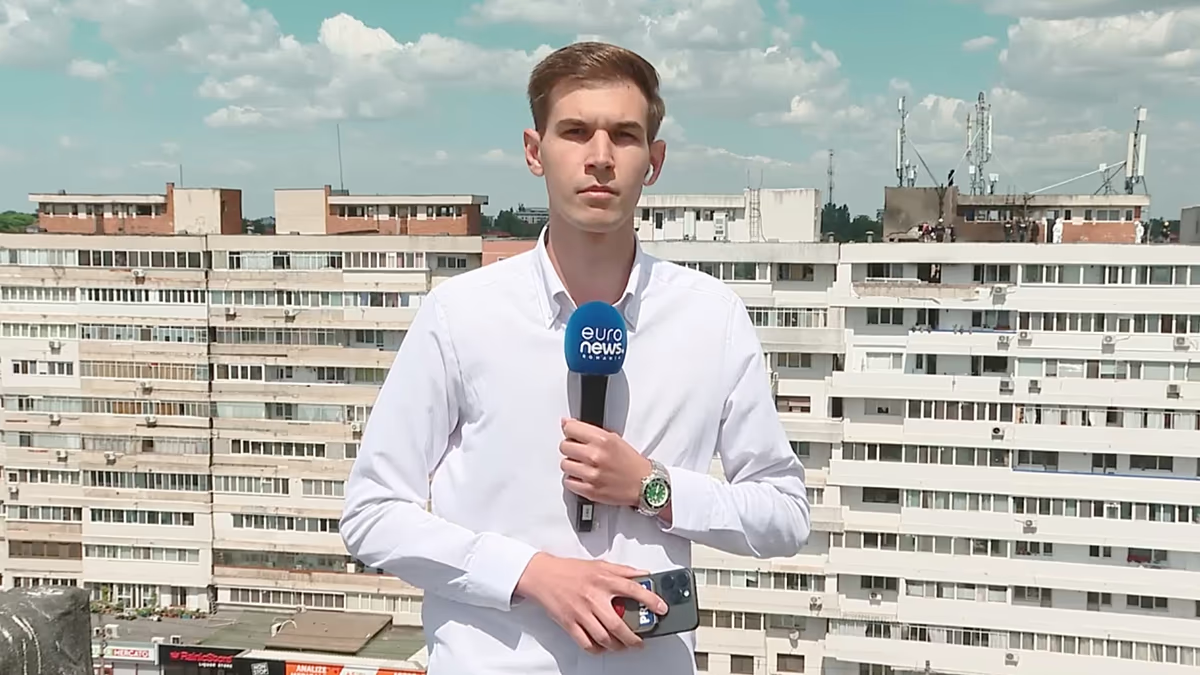
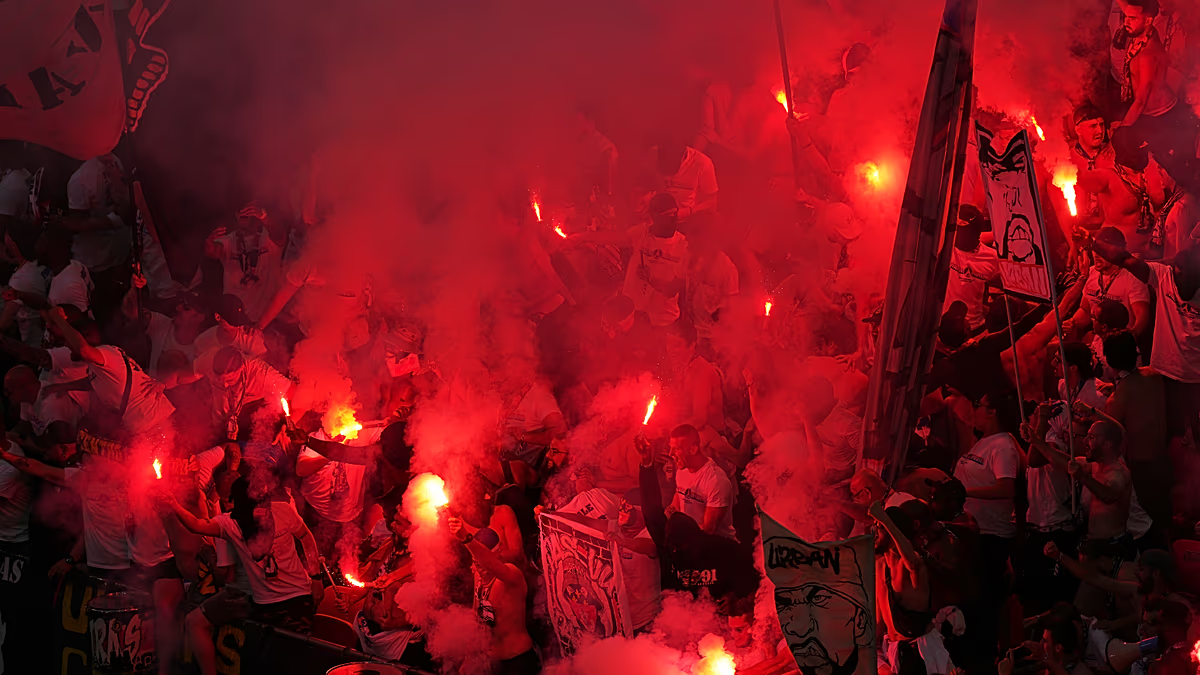
In a heart-stopping climax to the European football season, Paris Saint-Germain cemented its modern dynasty by defeating Arsenal in a dramatic penalty shootout to claim the UEFA Champions League title for a second consecutive year. The air at the Parc des Princes in Paris, a venue pulsating with nervous energy even from a distance, grew thick with anticipation as the fate of the trophy rested on a handful of kicks from twelve yards out. When the final, decisive penalty secured their victory, a seismic wave of pure, unadulterated joy erupted. The stadium, packed with fervent supporters, transformed into a roaring sea of celebration—a cacophony of cheers, screams, and tearful embraces that echoed across the French capital. This was more than just a win; it was a historic validation of a project, a moment of communal ecstasy for a city and a club that has fervently chased this pinnacle of success.
The journey to this ecstatic moment was paved with intense drama on the pitch in Budapest. After a fiercely contested match that ended 1-1 following ninety minutes of regulation and a grueling thirty minutes of extra time, the specter of penalties loomed. For Arsenal, appearing in their first final in two decades, the opportunity to etch their name on the iconic trophy was palpable. Yet, under the immense pressure of the spot-kick decider, their dream painfully unraveled as two penalties went astray. Paris Saint-Germain, steeled by the experience of last year’s triumph, displayed a cooler nerve, missing only one, and ultimately emerged victorious from the tense, unforgiving lottery. It was a brutal yet poetic conclusion, highlighting the razor-thin margins between immortality and heartbreak at the very peak of the sport.
With this victory, Paris Saint-Germain entered an exclusive and hallowed chapter of football history. They became the first club since Real Madrid’s legendary three-peat from 2016 to 2018 to successfully defend the Champions League title, a feat that cements their status as a contemporary European superpower. This achievement is a monumental testament to the squad’s resilience, tactical discipline under manager Luis Enrique, and profound winning mentality. In an era defined by intense competition and parity, securing the continent’s biggest prize twice in a row is a staggering accomplishment. It marks the culmination of years of ambition and investment, transforming PSG from perennial contenders into a bona fide legacy club, their name now forever linked with one of the sport’s most difficult repeat achievements.
As the final whistle confirmed their victory in Budapest, the connection between the team abroad and their faithful at home was instantaneous and electric. Across Paris, but most fervently within the Parc des Princes where thousands had gathered to watch on giant screens, an eruption of collective catharsis swept through the streets. Strangers hugged, songs echoed into the night, and the iconic blue and red colors of PSG painted the city. These scenes of unbridled celebration were a powerful human display of what football means—the shared identity, the released tension, and the profound communal pride in a collective achievement. For the supporters, many of whom have weathered decades of near-misses and disappointments in Europe, this back-to-back triumph was a sweet, tangible reward for their unwavering passion and loyalty.
This victory is also a significant personal triumph for manager Luis Enrique, whose tactical blueprint and relentless drive have sculpted this PSG side into a relentless force. His leadership in navigating a campaign filled with pressure and expectation, culminating in this nail-biting final, underscores his elite pedigree. For the players, it is the crowning moment of their season—a validation of their hard work, sacrifice, and ability to perform under the brightest lights and most intense scrutiny. They have carried not only their own ambitions but also the hopes of an entire nation’s footballing prestige on their shoulders, and they delivered in the most dramatic fashion imaginable.
In conclusion, the 2024 UEFA Champions League final will be remembered as a historic night where Paris Saint-Germain transcended a mere football match to achieve a legendary repeat. The images of ecstatic Parisians celebrating amidst a storm of confetti, contrasted with the heartbreak of a valiant Arsenal side, capture the beautiful agony and euphoria inherent in the sport. By joining the select group of clubs to win consecutive European crowns, PSG has not just won a trophy; it has solidified its place in football’s pantheon. This victory resonates as a story of nerve, history, and the unbreakable bond between a team and its city, a night where Paris once again became the undisputed capital of European football.