


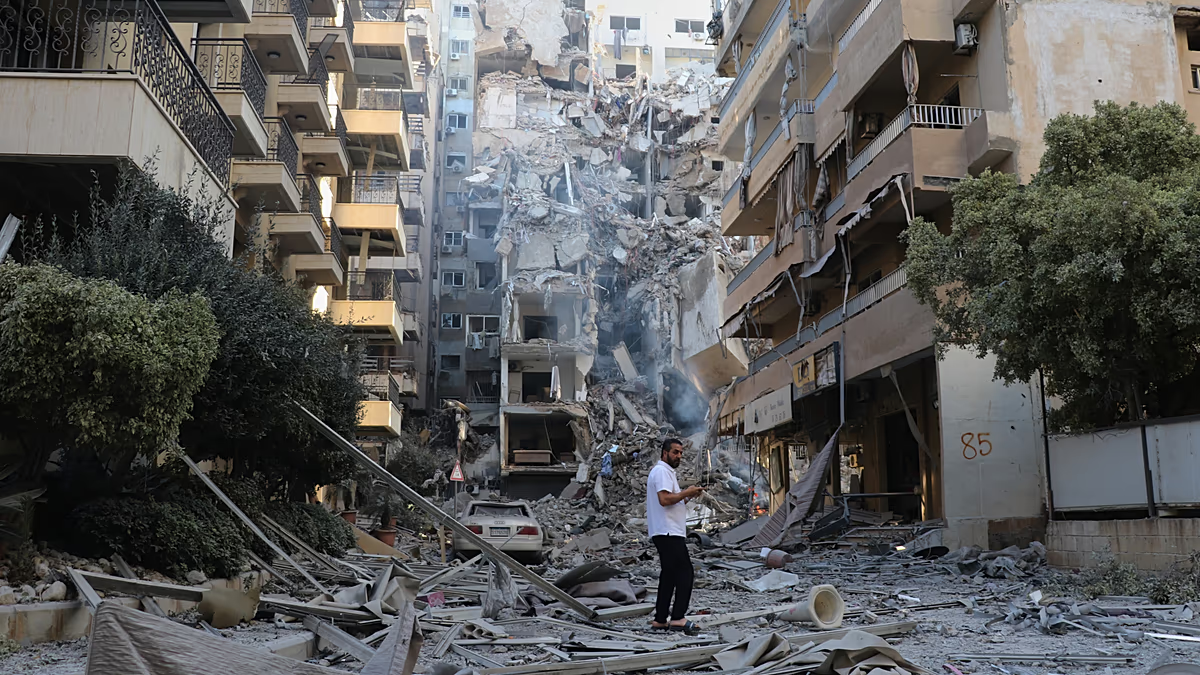
The aftermath of the recent strikes paints a somber picture in Tyre, a city historically celebrated for its vibrant culture and ancient ruins. Smoke still lingers in the air, a hazy testament to the violence, as residents cautiously return to neighborhoods now unrecognizable. Streets are carpeted with shattered glass and debris from shattered windows and fractured walls, turning once-bustling avenues into obstacle courses of destruction. People navigate these paths not as commuters, but as inspectors, confronting the damage to their homes, their shops, and their vehicles—the tangible foundations of their daily lives. This initial assessment is fraught with practical hardship, as local officials report that disruptions to electricity and key medical services are severely hampering the critical early phases of rescue and recovery, leaving communities not just wounded, but isolated and vulnerable in the immediate wake of the attack.
This devastation stems from an expanded Israeli military campaign across southern Lebanon, which Israel states is targeting Hezbollah infrastructure and rocket launch sites. However, the reverberations of these strikes extend far beyond any single military objective. The action has triggered fresh waves of displacement, forcing families who may have already fled previous skirmishes to flee once more, deepening a cycle of instability and fear. Each new escalation chips away at the fragile sense of security along the border, raising palpable and widespread anxieties that these exchanges could spiral into a broader, more devastating conflict—a fear that hangs over every conversation and colors every glance toward the horizon.
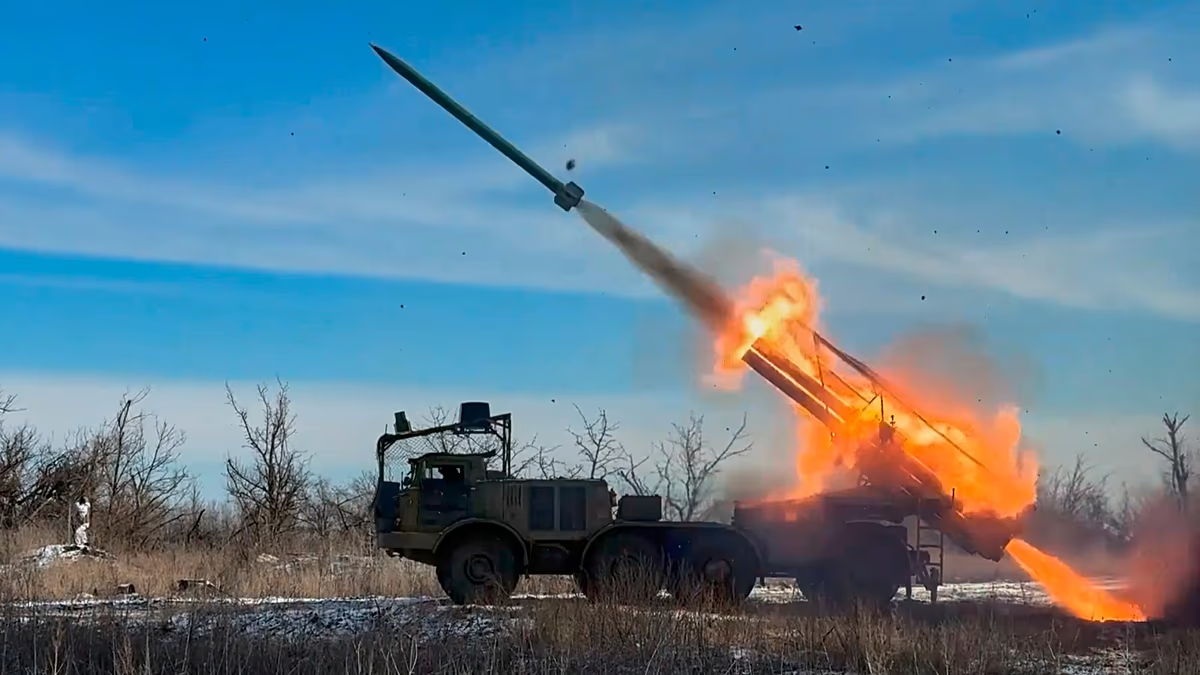
In response, Hezbollah has continued its own barrage of rocket and drone fire, ensuring that the cycle of retaliation remains unbroken and the tension remains acute. On the ground in Tyre, this means that the work of assessment is conducted under a persistent shadow of threat. Authorities and aid organizations are moving through the city, cataloging the scope of harm not only to contemporary homes and businesses but also to precious heritage sites, the very archaeological treasures that define Tyre’s identity and place in human history. Amidst this inventory of loss, residents voice another, urgent concern: the fate of the city’s tourism-dependent economy. The beaches, ruins, and hospitality that sustain countless livelihoods are now backdrop to conflict, threatening to cripple an already strained economic lifeline for the long term.
Humanitarian agencies are sounding a clear alarm, warning that the continued violence risks deepening the crisis along Lebanon’s entire southern coast. The instability is not contained; it ripples outward, affecting supply chains, access to basic goods, and the capacity of local systems to support human life. The warning underscores that further waves of displacement are a near certainty if tensions remain high, potentially overwhelming already stretched resources in other areas and creating a cascading humanitarian emergency. Each rocket and each counter-strike pushes more families toward the brink, deciding between the danger of home and the uncertainty of flight.
The human reality here is one of suspended normalcy, where the rhythm of daily life—going to work, sending children to school, planning for the future—has been violently disrupted. Behind the operational terminology of “infrastructure” and “launch sites” are living rooms now exposed to the elements, shops that will not reopen tomorrow, and vehicles that will not carry families to safety. The growing fear is not merely of another strike, but of an enduring erosion: of economic survival, of community cohesion, and of the historical legacy embodied in stones now potentially damaged. This is a crisis measured in both immediate trauma and long-term despair.
Ultimately, the scene in Tyre represents a microcosm of a dangerously escalating standoff. While military narratives may focus on tactical gains, the human narrative tells of compounded loss—of safety, of stability, and of hope. The rising smoke will eventually dissipate, but the decisions made by both sides in the coming days will determine whether the people of Tyre and southern Lebanon face a future of rebuilding or a future of further ruin. The path toward recovery requires not just clearing debris, but a cessation of the cycle that creates it; a need felt deeply by every resident surveying the damage to their shattered home.