

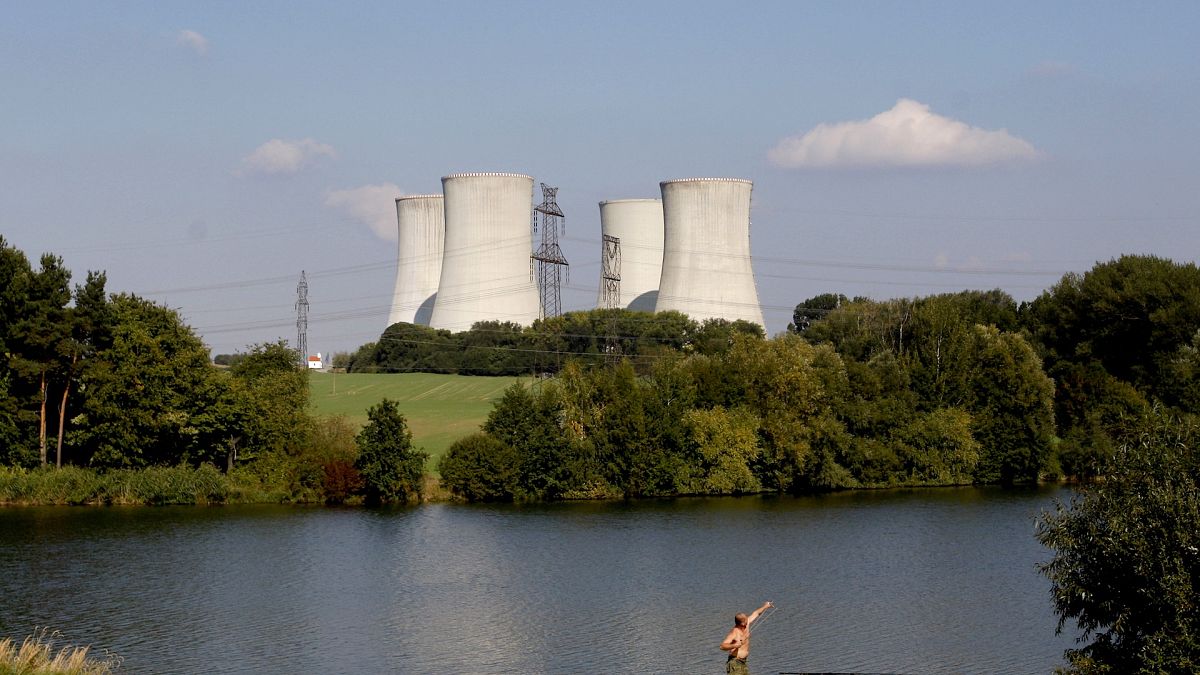
European nuclear energy is essential for achieving decarbonisation and energy security, but the construction of new reactors faces significant challenges related to financial viability, logistical execution, and governmental involvement. According to a recent report by S&P Global Ratings, authored by Claire Mauduit-Le Clercq and Emmanuel Dubois-Pelerin, the financial strain on utilities is alarming, as the costs to build new nuclear reactors exceed €10 million per megawatt. Specifically, a pair of European Pressurised Reactors could require up to €50 billion in investment, exceeding the capacity of most European utilities and posing considerable financial risks. Moreover, the costs of nuclear projects far outstrip those of comparable renewable energy installations, highlighting the economic burden that new nuclear constructions impose on utilities already grappling with tight budgets and credit ratings.
Despite the economic challenges, nuclear power remains a critical component of Europe’s energy strategy, especially in light of increasing energy demands and geopolitical tensions arising from events like Russia’s invasion of Ukraine. The European Union relies on nuclear energy for approximately 20% of its total electricity generation, providing reliable, low-carbon power that can complement the intermittent output of renewables such as solar and wind. Furthermore, as older nuclear plants approach decommissioning—many of which are over 40 years old—there is an increasing urgency to invest in new reactors to maintain energy stability and independence. The growing electrification of industries, including data centers, further underscores the need for consistent, decarbonised energy sources capable of meeting future demands.
Given the colossal costs associated with nuclear construction, strong government involvement is imperative for funding new projects. The report highlights that no single European utility, devoid of state support, can realistically undertake new reactor builds on its own. Current financing models rely heavily on taxpayer or consumer backing, incorporating mechanisms such as subsidised state loans, regulated asset bases (RAB), and contracts for difference (CfDs) to distribute costs and mitigate economic risks. Countries like the Czech Republic, Poland, and Slovakia are examples where government partnerships and state financing play crucial roles in developing new reactors. For instance, Poland’s plans for up to six nuclear reactors are designed not only to stimulate energy independence but also to facilitate decarbonisation efforts, exemplifying how state support is a fundamental element in advancing nuclear initiatives across Europe.
While constructing new reactors presents formidable financial and political challenges, the report suggests that recommissioning recently closed facilities could provide a quicker, less expensive alternative. This notion is being explored in countries like Belgium and Spain, yet it faces resistance, particularly in nations such as Germany, where public opposition and regulatory hurdles complicate efforts to reactivate old plants. Such complexities underline the necessity for a balanced dialogue between the urgent need for energy stability and the political ramifications associated with nuclear energy.
Moreover, the lack of finalized investment decisions in countries like France and Poland adds to the uncertainty surrounding the future of nuclear power in Europe. Despite plans to build multiple new reactors, the absence of robust financing frameworks and clear timelines poses significant obstacles that threaten to stall progress. As nuclear energy stands at a crossroads, its role in the continent’s energy future is dependent on innovative funding structures, the agility of governmental support mechanisms, and public acceptance. Strengthening supply chains for raw materials, diversifying energy portfolios, and enhancing the economic landscape for utilities are essential steps needed to ensure that nuclear energy can transition from a costly, politically fraught option to a viable and indispensable energy source.
In conclusion, the landscape for nuclear energy in Europe is characterized by its potential juxtaposed with daunting challenges. The high costs, long timelines, and continuing reliance on government support present formidable barriers to new nuclear projects, compounded by the urgent need to replace aging reactors. As nations explore various pathways, including recommissioning existing facilities, the central tenet remains clear: the future of nuclear power in Europe hinges on a comprehensive approach that balances financial realities with strategic energy requirements. Strong state backing and innovative funding models must coalesce to support the development of new reactors and ensure that nuclear energy contributes effectively to the continent’s energy mix and goals for a sustainable energy future.