


A Major Delivery Amid Rising Tensions: South Korea’s Strategic Oil Supply
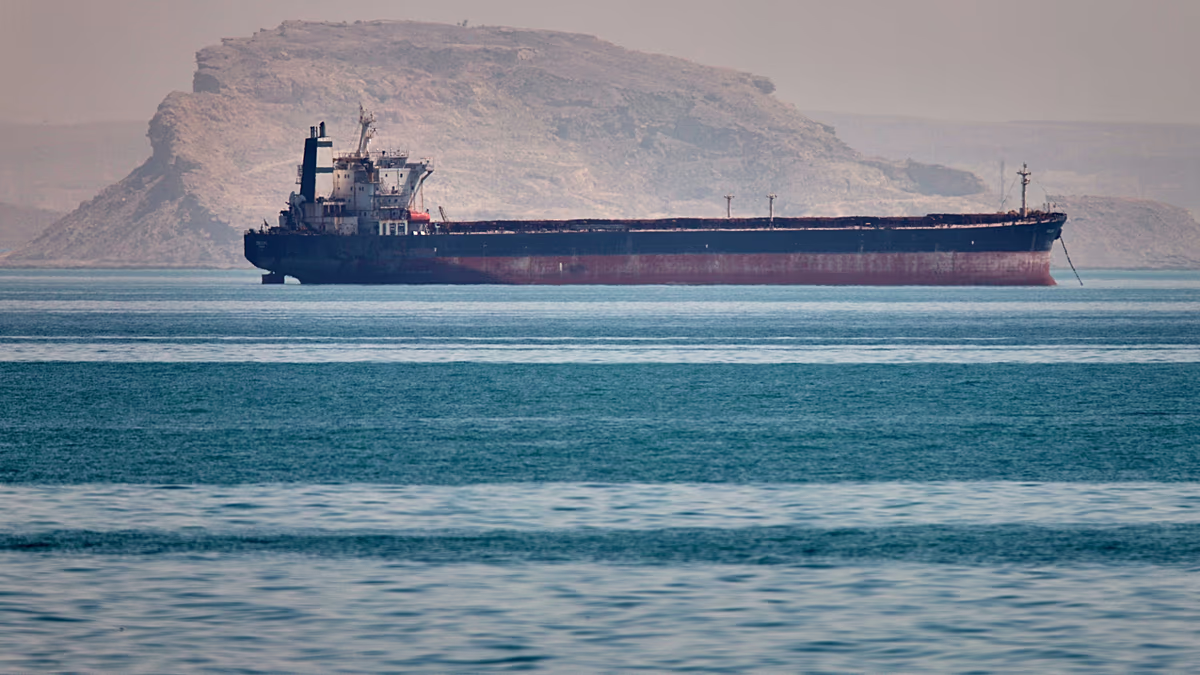
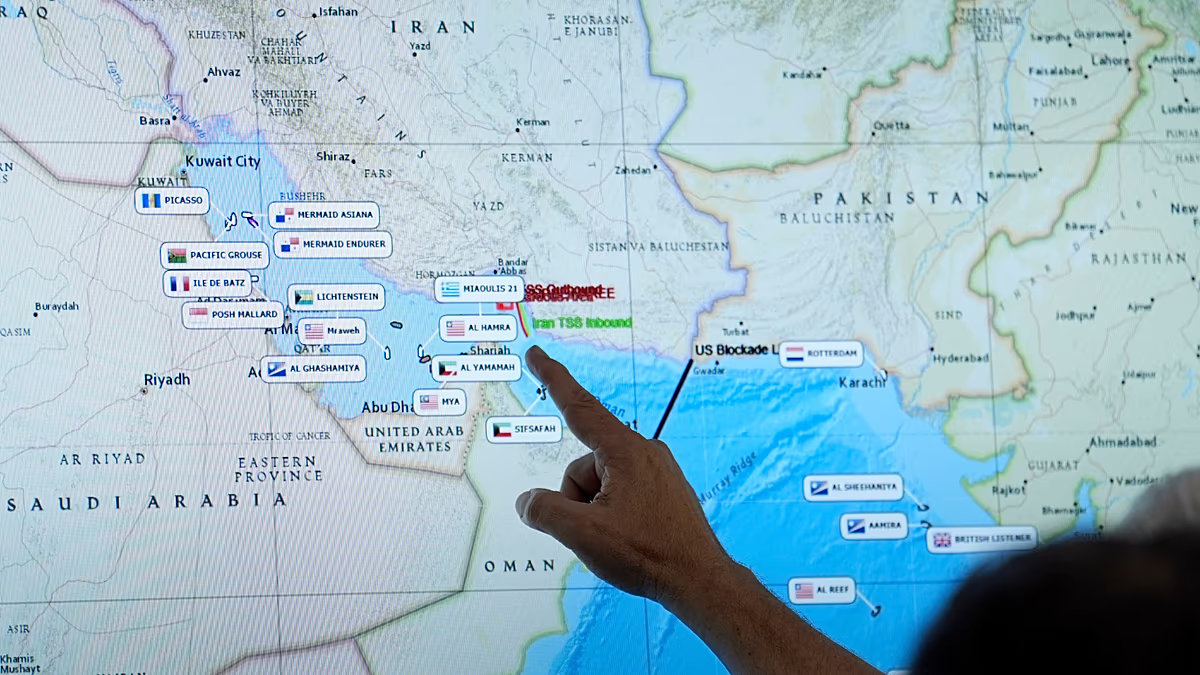
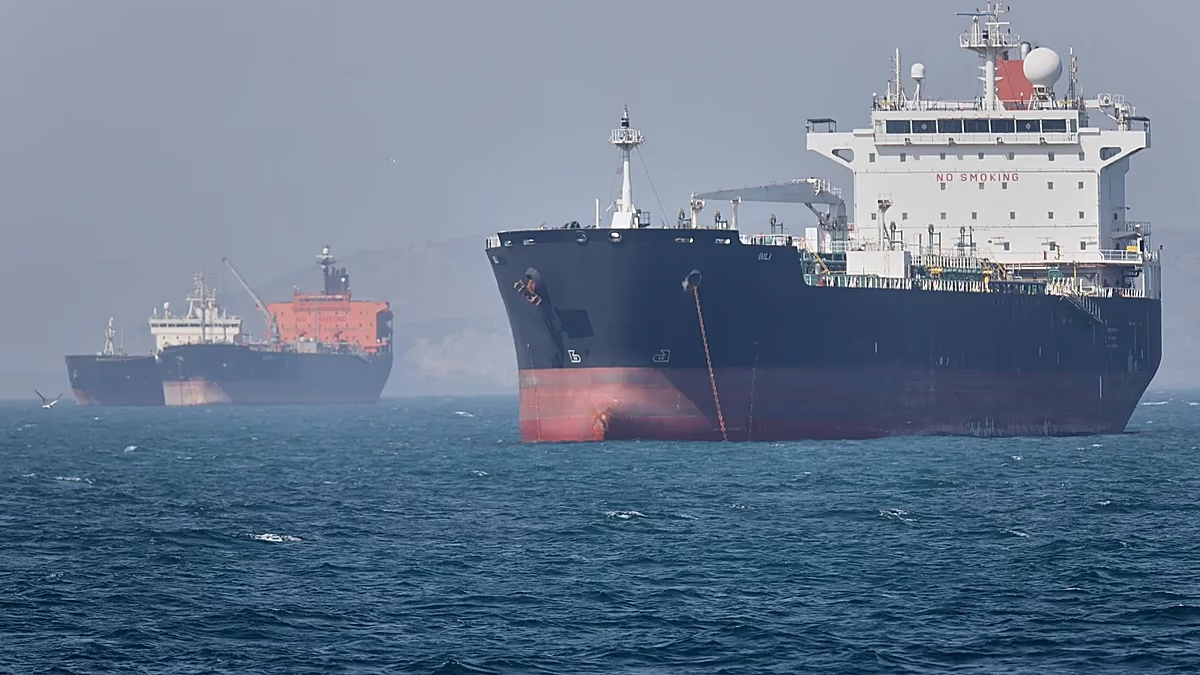
In the early hours of Friday morning, the Malta-flagged oil tanker Odessa completed a tense and significant journey, arriving safely near the port city of Seosan in South Korea. According to HD Hyundai Oilbank, the major South Korean refinery company awaiting the cargo, the vessel’s voyage began in the volatile Strait of Hormuz around mid-April. Its arrival marks the successful conclusion of a maritime passage through one of the world’s most strategically sensitive and dangerous shipping lanes, delivering a lifeline of energy to a key East Asian economy. This single ship carried one million barrels of crude oil, a massive consignment intended for processing at one of South Korea’s largest refineries. The delivery starkly highlights the persistent and profound reliance of industrial powers like South Korea on the petroleum resources of the Persian Gulf, a dependence that remains critical despite the region’s escalating instability.
The scale of this particular shipment underscores its national importance. Estimates suggest the one million barrels represent between 35% and 50% of South Korea’s entire daily crude consumption. This figure transforms the Odessa from a mere commercial vessel into a vessel of strategic national interest, emphasizing that every successful transit through the Gulf is a crucial event for the country’s energy security and economic continuity. HD Hyundai Oilbank, the recipient, operates with a daily processing capacity of up to 690,000 barrels, converting raw crude into essential fuels like diesel, gasoline, and naphtha. This processing feeds the nation’s industries, transportation networks, and households. The context for this delivery is especially pressing, as Seoul is reportedly enforcing strict price caps to shield its industrial sector from the economic fallout of the ongoing conflict involving Iran, making the secure and affordable flow of crude even more vital.
The Odessa’s journey from the Strait of Hormuz to South Korean waters occurred against a backdrop of dramatically escalating military tensions between the United States and Iran. Just one day before the tanker’s arrival, on Thursday, three US destroyers operating in the Strait of Hormuz were targeted by Iranian missiles and small craft. While the American ships reportedly avoided significant damage, the incident prompted an immediate US military response. Washington launched strikes targeting Iranian military infrastructure, specifically aiming at launch sites and command hubs believed to be involved in the attack. This exchange represents a serious flare-up in a prolonged period of brinkmanship, threatening the very shipping lanes that are essential for global energy supplies.
The political rhetoric surrounding the clash intensified rapidly. US President Donald Trump, commenting on the incident, described Iranian authorities as “lunatic” and issued a stark warning. He asserted that the broader understanding with Tehran remained intact but cautioned that the US response would be “significantly more severe” if a formal agreement to de-escalate the situation is not concluded immediately. This statement frames the US strikes as a measured warning, while threatening far greater retaliation should diplomacy fail. Conversely, Tehran presented a completely different narrative. Iranian officials characterized the skirmishes not as an attack but as a justified “exchange of fire,” claiming it was a response to alleged American aggression against Iranian vessels in the area. They further asserted that their actions had caused notable damage to US hardware, contradicting the US assessment of no major damage.
These hostile actions erupted at a moment of potential, albeit fragile, diplomacy. According to reports, the clashes broke out while Iranian officials were actively considering a US-led proposal designed to de-escalate tensions and specifically to secure the vital Strait of Hormuz for international shipping. The timing suggests a complex dance of coercion and negotiation, where military actions and diplomatic overtures exist simultaneously. The safe passage of the Odessa through this maelstrom is therefore a minor miracle of logistics and timing, a testament to the relentless necessity of commerce even amidst the drumbeats of conflict. For South Korea and other nations dependent on Gulf oil, the situation presents a grim paradox: the urgent need for energy requires these dangerous transit routes to remain open, even as the geopolitical conditions making them dangerous worsen.
In conclusion, the arrival of the Odessa in South Korea is more than a routine commercial delivery; it is a microcosm of global interdependence and geopolitical risk. It highlights the critical energy lifelines that connect industrial economies to volatile regions, the staggering scale of individual shipments that can power a nation, and the fragile context in which these shipments must now navigate. The simultaneous occurrence of a major oil delivery and a serious military clash in the Strait of Hormuz underscores the precarious balance the world maintains. As refineries like HD Hyundai Oilbank convert this crude into the fuels that power a modern economy, the diplomats and military forces wrestle over the security of the routes that bring it to them. The safe unloading of this cargo offers temporary relief for South Korea, but the ongoing tensions promise continued uncertainty for every tanker that must follow in the Odessa’s wake.