


The European Union stands at a critical juncture in its energy policy, caught between the immediate pressures of rising costs and geopolitical instability and the long-term imperative of transitioning to a clean energy future. In a bold strategic move, a leaked draft proposal from the European Commission reveals a plan to fundamentally reshape electricity taxation. The core objective is to make electricity cheaper than natural gas, directly countering the current fiscal imbalance that often penalizes clean power. This initiative is driven by a potent mix of crises: renewed energy price shocks linked to conflict in the Middle East, which are costing the EU an estimated €500 million extra per day for fossil fuels, and mounting strain on power grids as electrification accelerates. The proposal is a partial answer to industry calls for lower bills and a clear signal that the EU intends to use its tax levers to actively encourage the electrification of transport, heating, and industry, rather than passively maintaining incentives for continued fossil fuel dependence.
However, the path to achieving this tax shift is fraught with political and legislative complexity. Recognizing that a direct overhaul of the EU’s core energy taxation directive—which requires unanimous approval from all 27 member states and has been stalled since 2021—is likely impossible, the Commission is opting for a clever procedural workaround. Instead, it aims to embed a broad “electrification principle” within forthcoming electricity market design rules, which can be passed by a qualified majority. This principle would legally oblige member states to reduce the tax differential between electricity and gas. Environmental NGOs have noted this tactical maneuver, which underscores the deep-seated resistance to harmonizing tax policy across the bloc. The stark national disparities this system creates are vividly illustrated by the case of Italy, where a recent study reveals a “striking paradox”: households pay electricity taxes up to four times higher than on gas, while small businesses face a electricity tax burden over twenty times greater. This effectively punishes citizens and companies investing in the very technologies essential for the energy transition.
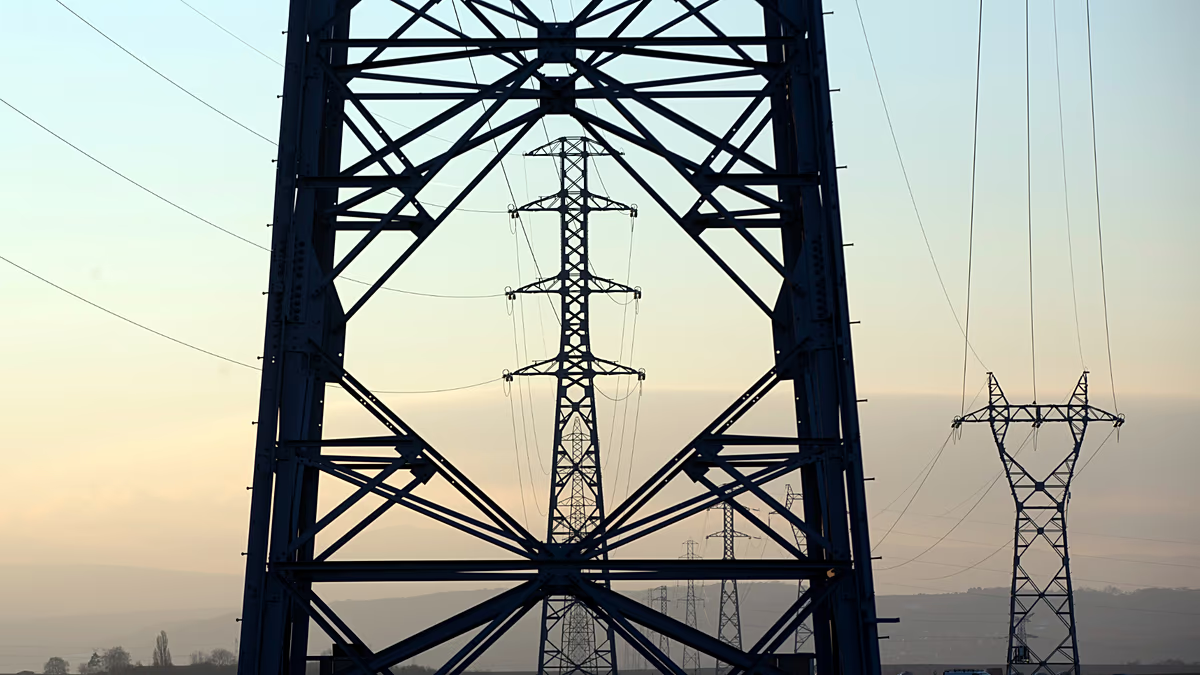
Beyond the tax code itself, the Commission’s draft confronts another major driver of high electricity bills: the soaring cost of grids and associated levies. For many consumers, these fixed charges now eclipse the cost of the actual electricity consumed. Network charges and national taxes together can constitute nearly half of a household bill. These costs are poised to skyrocket further, with annual grid investments needed to integrate renewables and support electrification potentially doubling to €100 billion. To manage this, the proposal advocates a fundamental redesign of tariff structures, moving away from flat rates toward dynamic pricing. The vision is a more efficient grid where consumers are financially rewarded for using power when renewable generation is high and grid congestion is low—charging electric vehicles or running industrial processes at sunny or windy times, for instance. This shift demands a parallel digital revolution, necessitating the mass rollout of smart meters to provide the real-time data and automation required for consumers to benefit from these variable rates.
Inevitably, this comprehensive plan faces significant headwinds in negotiations. Taxation remains a fiercely guarded national competence, and any perceived infringement from Brussels sparks resistance. Some member states are concerned about the loss of fiscal revenue from lowering electricity taxes, while others question the broader market interventions. Sweden, for example, has already voiced strong opposition to aspects of the grid plan, even halting a cross-border cable project in protest against proposed use of congestion charges. The Commission’s challenge is to persuade capitals that the short-term fiscal trade-offs are outweighed by long-term gains in industrial competitiveness, energy independence, and climate goal attainment. The proposal tries to balance this by offering governments flexibility, particularly for energy-intensive industries, allowing them to reduce electricity taxes to near zero to protect vital manufacturing sectors from being undercut by global competitors with lower energy costs.
The ultimate success of this policy hinges on its ability to create a virtuous cycle. By making electricity systematically cheaper than gas, the EU aims to unleash a wave of investment in electrification, from heat pumps to electric arc furnaces in industry. This surge in demand for clean electricity would, in theory, justify and accelerate the massive required investments in renewable generation and modernized grids. Meanwhile, dynamic pricing and smart meters would help flatten demand peaks, using the existing infrastructure more efficiently and delaying the need for some costly upgrades. The Commission has set concrete deployment targets for smart meters, aiming for at least 50% of customers to have them by 2030, which is crucial for turning this vision into a practical reality for everyday citizens.
In conclusion, the leaked draft proposal represents a holistic and politically astute attempt to steer the European energy system through its current turbulence toward a more resilient, electrified future. It connects the dots between tax policy, market design, grid investment, and consumer technology, acknowledging that the energy transition cannot succeed if clean electricity is not the most economically rational choice for consumers and businesses alike. Scheduled for formal presentation on July 15th, this legislative package will ignite intense debate across Europe. It is more than a technical adjustment; it is a test of the EU’s political will to align its fiscal rules with its climate ambitions and strategic interests, ensuring that the architecture of the energy market actively builds the clean future it has promised.