


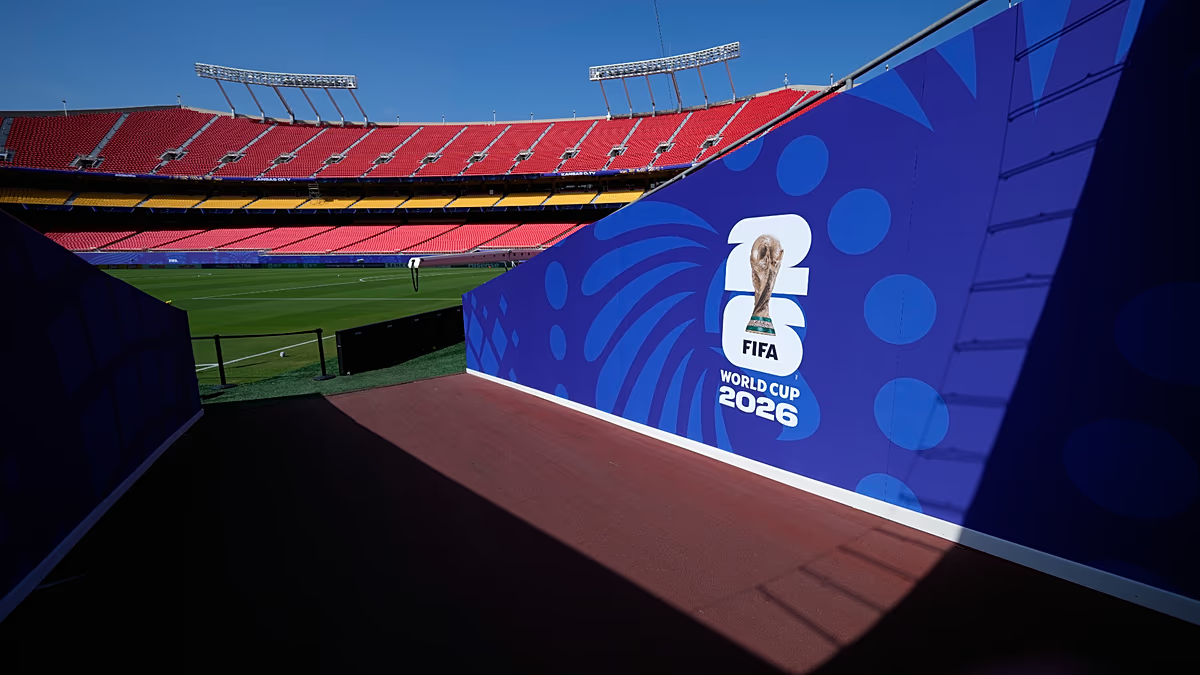
The 2026 FIFA World Cup represents an unprecedented chapter in football history. Spanning three host nations—the United States, Canada, and Mexico—the tournament will feature 48 teams competing across 104 matches in 16 different cities. This grand spectacle promises to unite the globe in a celebration of sport, culminating in the ultimate prize: the lifting of the iconic golden trophy. As the excitement builds for this historic event, fans worldwide are dreaming of witnessing the drama firsthand, from the opening group stage clashes to the final whistle at New York/New Jersey’s MetLife Stadium. However, for many, securing a ticket to the world’s most-watched sporting event has become a daunting and prohibitively expensive challenge, casting a shadow over the inclusive spirit of the game.
In a surprising and innovative move aimed at addressing access, Airbnb has stepped into the fray with a unique initiative. The company is offering fans the chance to secure free match tickets by booking select accommodations in the host cities. From Los Angeles and Vancouver to Mexico City and Dallas, guests who book stays marked with a special football icon on the platform will receive complimentary tickets for each person on their reservation. As explained by Airbnb’s Chief Business Officer, Dave Stephenson, this initiative aligns with the company’s mission to provide authentic travel experiences, transforming hosts into conduits for an unforgettable World Cup journey. The program has already distributed over 1,300 tickets, offering a creative alternative for fans determined to follow the tournament live.
The booking windows for this ticket-inclusive offer are strategically staggered. Fans aiming to see the early group stage and round of 32 matches could begin securing their participating stays from June 10th in cities like Boston, Seattle, and Monterrey. Subsequent phases opened for the round of 16 on June 18th in locations including Houston and Philadelphia. For those dreaming of the tournament’s climax, booking for semi-final packages in Dallas and Atlanta started on July 9th, while the chance to secure a stay for the final in New York/New Jersey began on July 16th. It is important to note that this access comes at a premium; the average nightly rate for these participating accommodations is approximately $385, positioning this as a bundled experience rather than a simple ticket giveaway.
This innovative partnership emerges against a backdrop of significant controversy surrounding FIFA’s ticketing strategy for the 2026 World Cup. Central to the issue is the organization’s use of “variable pricing,” a dynamic model where ticket prices fluctuate constantly based on demand and availability. This practice has prompted formal investigations by the states of New York and New Jersey, with authorities scrutinizing potential consumer deception regarding pricing and seat allocation. Similarly, in Europe, consumer rights group Euroconsumers has condemned the model, noting that despite FIFA’s initial promise of group-stage tickets starting at $60, prices have skyrocketed, with some final tickets reaching an astonishing $4,185.
The frustration is palpable among advocacy groups. Els Bruggeman, Head of Policy at Euroconsumers, has publicly called for transparency and an end to dynamic pricing, urging FIFA to clearly communicate ticket inventory and fixed prices. The situation is further exacerbated by FIFA’s official resale platform, which imposes a substantial 15% fee on both buyers and sellers. Reports indicate that this secondary market has struggled, with hundreds of thousands of tickets remaining unsold just hours before matches in recent tournaments. This not only places financial strain on fans but also risks creating half-empty stadiums, undermining the electric atmosphere that is fundamental to the World Cup experience.
Therefore, the 2026 World Cup presents a complex dichotomy. On one hand, it is a groundbreaking, continent-spanning festival of football destined to create legendary moments. On the other, it is embroiled in a ticketing crisis that threatens to alienate the very supporters who breathe life into the sport. Initiatives like Airbnb’s offer a novel, though costly, path to attendance for some. Yet, they also underscore the broader challenge: the soaring commercialization of an event that prides itself on being for everyone. As the world turns its eyes toward North America in 2026, the hope remains that the beautiful game, in all its glory, will not be overshadowed by a battle for access, but will instead be a truly unifying spectacle for fans across all nations and income levels.