


Of course. Here is a humanized and expanded summary of the provided content, structured into six paragraphs.
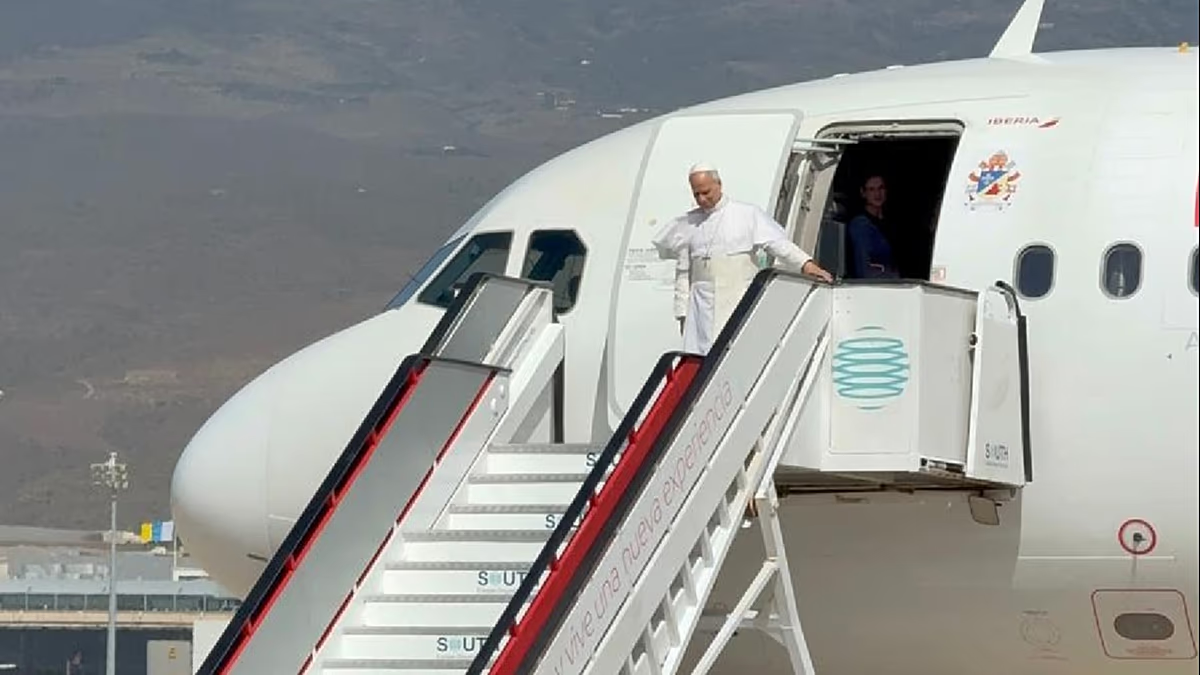
The global spotlight shifted to the windswept shores of Gran Canaria on a Thursday morning, not for a typical tourist arrival, but for a deeply symbolic pastoral visit. Pope Leo XIV, continuing the third leg of his journey through Spain, descended from the skies onto Gando Air Base, his white robes a stark and serene contrast against the military backdrop. His mission, however, was one of peace and profound human connection, focused intently on the dual themes of migration and communion with the faithful. This was not merely a state visit, but a pilgrimage to one of Europe’s southern frontiers, a place where the complex realities of human movement and desperate hope are faced daily. The very winds that buffeted the island upon his arrival, forcing adjustments to the planned protocol, seemed a metaphor for the unpredictable and often harsh forces that shape the lives of those he had come to see and uplift.
His official welcome was a moment of solemn pageantry, as Spanish Prime Minister Pedro Sánchez stood alongside a gathered assembly of national, regional, and local leaders to receive the pontiff. Yet, this formal reception was merely the prelude to the heart of his day. Shortly after, Pope Leo XIV journeyed to the Arguineguín harbour, a location heavy with contemporary significance. Here, away from the dignitaries and protocols, he stepped into a world of raw humanity and compassionate response. He met directly with migrants—individuals whose stories are often reduced to statistics—offering a listening ear, a blessing, and the powerful, simple acknowledgement of their dignity. He also extended his gratitude to the staff and volunteers, the often-unsung heroes who work tirelessly to provide care, comfort, and a semblance of welcome on these shores, grounding his theological message in the practical, grueling work of everyday mercy.
From the working port, the Pope’s journey then moved to the spiritual heart of the island: the historic Cathedral of Santa Ana in Las Palmas de Gran Canaria. This shift in venue represented a bridging of the sacred and the societal. Within its ancient walls, a place of tradition and enduring faith, the local community sought to honor their distinguished guest by presenting him with the Gold Key to the city. This ceremonial act was rich in meaning, symbolizing not just hospitality, but an unlocking of mutual understanding and a formal offering of the city’s trust and openness. It served as a formal embrace from the resident community, complementing his outreach at the harbour and framing his entire visit within a context of both inclusion and historical continuity.
The liturgical and communal climax of the day was reserved for the vast, open-air space of the Gran Canaria Stadium. As evening approached, the athletic grounds were transformed into a sanctuary for tens of thousands. An estimated crowd of 40,000 faithful gathered under the open sky, a sea of humanity united in song, prayer, and anticipation. This massive outdoor Mass was the embodiment of the Church as a living, breathing community. Here, Pope Leo XIV’s messages of hope, solidarity, and Christ’s love were delivered not in intimate meetings or historic chapels, but proclaimed to the multitude. The image of the celebrant at the altar before such a vast assembly powerfully visualized the universal scope of his ministry and the shared yearning for spiritual nourishment that transcended the day’s earlier, more specific themes.
With the final blessing echoing across the stadium and the faithful beginning their journeys home, the Pope’s intensely packed schedule on Gran Canaria drew to a close. Yet, his Spanish pilgrimage was far from over. After a period of rest and reflection on the island, he would prepare to continue his journey on Friday, carrying the experiences and encounters from Gran Canaria to the neighboring island of Tenerife. Each leg of this visit builds upon the last, creating a tapestry of engagement that addresses both urgent global crises and the timeless spiritual needs of the people.
In summary, Pope Leo XIV’s day on Gran Canaria was a masterfully layered pastoral visit. It seamlessly moved from the formalities of a state welcome to the frontline humanitarian reality of a migrant reception harbour; from the symbolic gift-giving in a historic cathedral to the unifying, large-scale celebration of faith in a modern stadium. Through these deliberate choices, the pontiff underscored the Church’s role in navigating the complex intersection of the political, the social, and the spiritual, all while maintaining a primary focus on the human person—be they migrant, volunteer, civic leader, or devout follower—setting a resonant tone for the continuation of his journey.